Super El Niño Triggers Historic Flowering in Chile's Atacama Desert
Chile
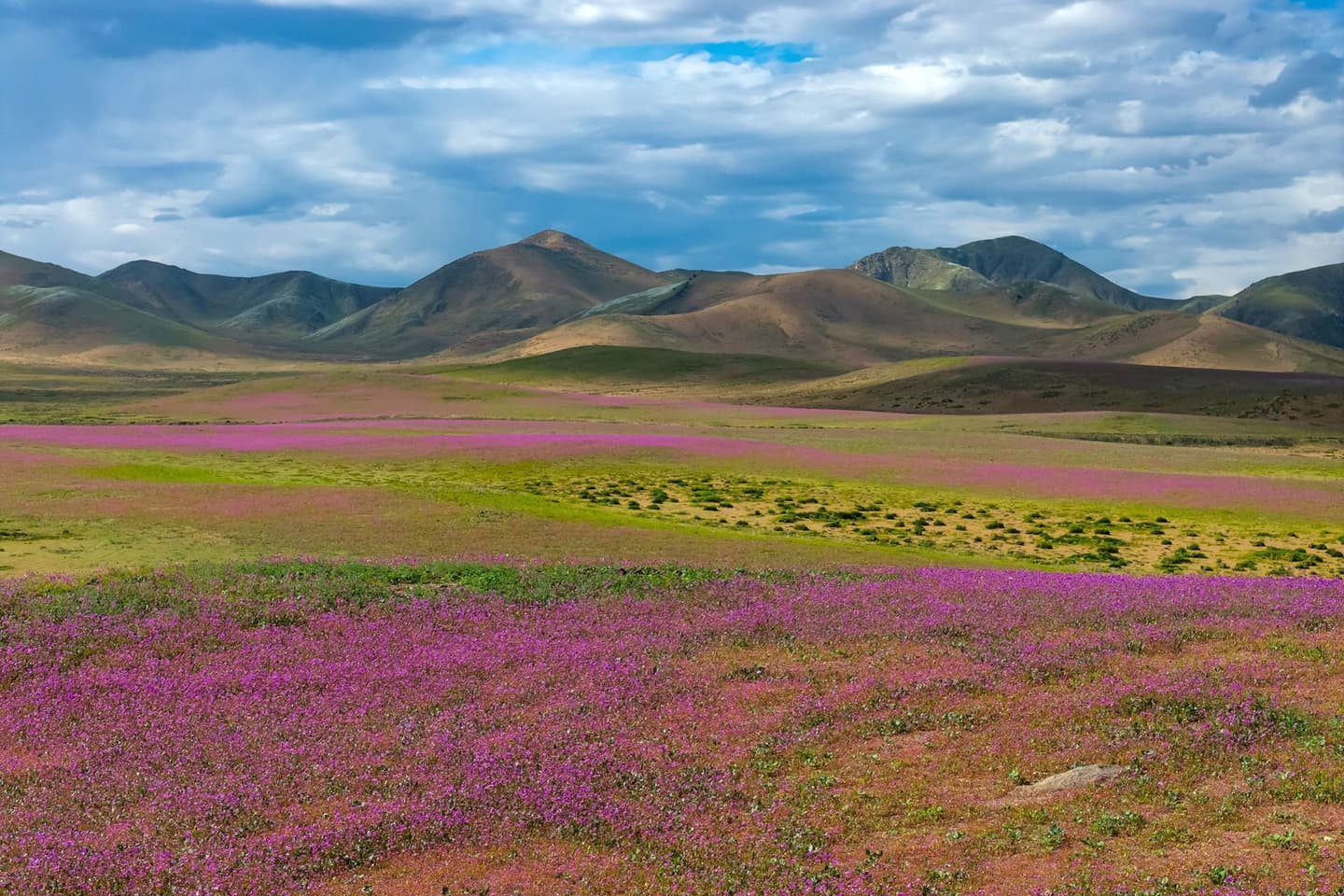
Javier TORRES / AFP via Getty Images/Getty




What Happened
Key Implications
What Happened
Key Implications
Where Sources Agree
- arrows_inputSuper El Niño Driven Rainfall: Sources align on the occurrence of record rainfall between July and August driven by a super El Niño, noting that some locations received 190 millimeters of precipitation, levels unseen since the 1950s, according to CONAF Atacama.
- arrows_inputRecord-Setting Desert Bloom: Initial reports confirm the Atacama Desert is experiencing its most extensive flowering event since 1997, with over 17,000 square kilometers covered by more than 200 plant species, according to CONAF projections.
Where Sources Disagree
- arrows_outputEl Niño Contextualization: Some sources characterize the super El Niño as a climate phenomenon driving sharp rises in global temperatures. In contrast, other reports frame the weather pattern primarily as a rare gift of rain that transformed the arid Atacama Desert into a vibrant, blooming landscape.
- arrows_outputSeed Dormancy Estimates: Reports vary slightly in their description of seed dormancy, with some noting a period of 'years or decades,' while others specify that certain areas have remained flowerless for '30 or 40 years.'
Timeline
November 2026 Upcoming
Bloom Is Fleeting, Seeds Remain: Reporters and scientists note the flowering is temporary: many blooms will disappear by the end of the Southern Hemisphere's spring, leaving seeds and bulbs in the soil for future events.
November 2026 Upcoming
Tourism Surges To See Blooms: Tourists from within Chile and overseas have flocked to the Atacama to view the blooms, with the National Tourism Secretariat expecting nearly 300,000 overnight trips by the time the phenomenon ends.
September 24, 2026
Historic Desierto Florido Blooms: A historic 'desierto florido' transformed vast areas of the Atacama into a carpet of wildflowers, covering an estimated 17,000 square kilometers and featuring more than 200 plant species — the most extensive bloom since 1997.
Summary by Ground AI
Sources
See All 36A varied selection of sources chosen by Ground to reflect the diversity of this story’s coverage.
Most Written About
The stories getting the most coverage from the last 24 hours






Timeline
November 2026 Upcoming
Bloom Is Fleeting, Seeds Remain: Reporters and scientists note the flowering is temporary: many blooms will disappear by the end of the Southern Hemisphere's spring, leaving seeds and bulbs in the soil for future events.
November 2026 Upcoming
Tourism Surges To See Blooms: Tourists from within Chile and overseas have flocked to the Atacama to view the blooms, with the National Tourism Secretariat expecting nearly 300,000 overnight trips by the time the phenomenon ends.
September 24, 2026
Historic Desierto Florido Blooms: A historic 'desierto florido' transformed vast areas of the Atacama into a carpet of wildflowers, covering an estimated 17,000 square kilometers and featuring more than 200 plant species — the most extensive bloom since 1997.


