BLM Sales Put More Wild Horses at Risk of Slaughter, Advocates Say
United States
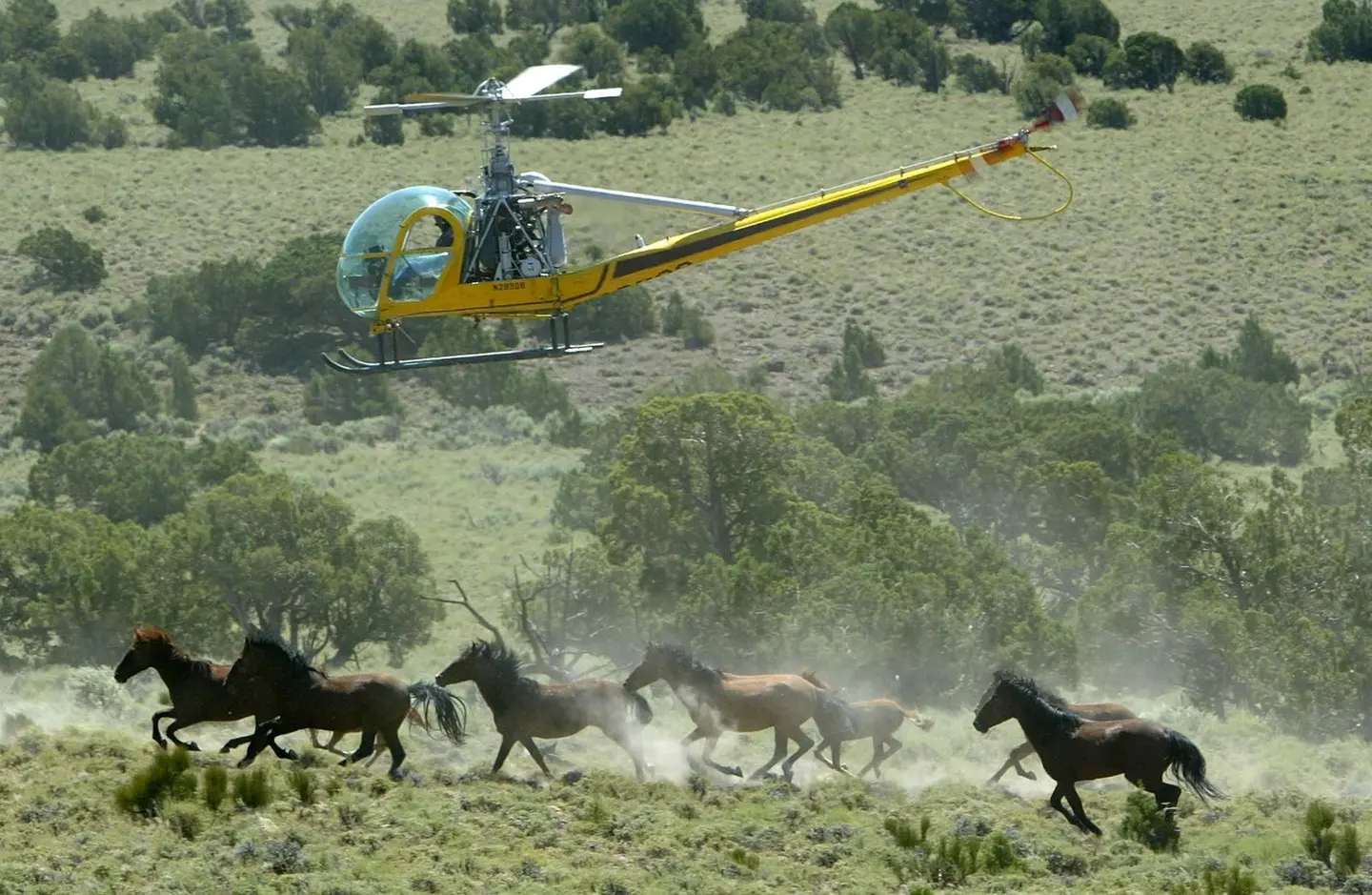
Justin Sullivan/Getty Images/Getty
Source Analysis




What Happened
What Happened
Where Left Sources Focus
- Slaughter Pipeline Exploitation: Progressive outlets describe how the Bureau of Land Management utilizes legal loopholes to funnel protected wild horses into commercial slaughter pipelines. Citing internal government records and advocacy reports, they argue the agency prioritizes clearing herds over animal welfare by selling horses to third-party intermediaries who resell them for export.
- Political Administration Accountability: Left-leaning sources highlight that wild horse sales more than doubled following the Trump administration's policy shifts. They emphasize that administration officials pushed for lethal management strategies and increased sales, citing bureau records and policy papers that prioritize herd reduction over previous adoption-focused protections.
Where Center Sources Focus
- Ecological Management Rationale: Center-leaning coverage emphasizes that BLM roundups are necessary to manage overpopulation, citing data that wild horse numbers significantly exceed appropriate management levels. These sources feature range experts who argue these actions are critical to protecting water, forage, and rangeland health from degradation caused by excessive herd sizes.
- Legal Status Distinctions: Center sources clarify the technical difference between adoptions, which retain federal protections, and sales, which transfer ownership immediately. They explain that once title is issued, the Wild Free-Roaming Horses and Burros Act no longer applies, meaning the federal government loses jurisdiction to track or regulate the animals.
What's Largely Absent from Each Side
- Left sources rarely mention: Left sources rarely mention the ecological rationale for roundups, including overpopulation metrics and range sustainability data. Center outlets feature this context prominently, citing federal estimates that show horse populations vastly exceeding established management levels and impacting rangeland health.
- Center sources rarely mention: Center coverage largely omits direct political accountability regarding the surge in horse sales under the Trump administration. Left sources feature this prominently, citing bureau records showing sales doubled after policy shifts and administration officials prioritized lethal management proposals over previous protections.
Rare Agreement
- Legal Loophole Reality: Both sides acknowledge that sold wild horses lose federal protections immediately upon transfer of title. Sources across the spectrum confirm that the BLM does not track these animals post-sale, and that this legal gap allows intermediaries to resell horses for commercial slaughter.
Timeline
August 20, 2026
Investigation Reveals Scale, Impact: By August 2026 reporting summarized Skydog and Times findings that the BLM sold an unprecedented 6,331 horses in 19 months (55.4% aged 1–4), tracked 333 in kill pens this year, and saw over 72% of sales go for $25 or less, while the agency stores about 58,000 horses at an annual cost of roughly $100 million. The revelations prompted sanctuary demands to suspend the Sale Authority program and renewed scrutiny of BLM practices.
March 2025
Court Restricts Adoption Program: In March 2025 a federal court limited the BLM's Adoption Incentive Program, and critics say the slaughter traffic migrated into the Sale Authority program; within weeks a bulk-buyer application (Brandon Jones) was approved by the bureau. Jones would soon become a major recipient of government sales despite limited ties to the wild-horse community.
2025
Bulk Buyer Acquisitions and Shipments: Livestock trader Brandon Jones acquired large bulk lots of wild horses (about 496 over a year) with taxpayer-subsidized shipping; multiple shipments — including one of 68 mustangs trucked 1,800 miles to Ohio — later disappeared from public view, raising concerns they were funneled into slaughter channels. Jones denied selling to slaughter but declined to disclose final destinations.
Summaries by Ground AI
Sources
See All 19Most Written About
The stories getting the most coverage from the last 24 hours



Source Analysis
Timeline
August 20, 2026
Investigation Reveals Scale, Impact: By August 2026 reporting summarized Skydog and Times findings that the BLM sold an unprecedented 6,331 horses in 19 months (55.4% aged 1–4), tracked 333 in kill pens this year, and saw over 72% of sales go for $25 or less, while the agency stores about 58,000 horses at an annual cost of roughly $100 million. The revelations prompted sanctuary demands to suspend the Sale Authority program and renewed scrutiny of BLM practices.
March 2025
Court Restricts Adoption Program: In March 2025 a federal court limited the BLM's Adoption Incentive Program, and critics say the slaughter traffic migrated into the Sale Authority program; within weeks a bulk-buyer application (Brandon Jones) was approved by the bureau. Jones would soon become a major recipient of government sales despite limited ties to the wild-horse community.
2025
Bulk Buyer Acquisitions and Shipments: Livestock trader Brandon Jones acquired large bulk lots of wild horses (about 496 over a year) with taxpayer-subsidized shipping; multiple shipments — including one of 68 mustangs trucked 1,800 miles to Ohio — later disappeared from public view, raising concerns they were funneled into slaughter channels. Jones denied selling to slaughter but declined to disclose final destinations.


