Nicaragua's Ortega Moves to Eliminate Elections
Nicaragua
Jesus Vargas/Getty Images/Getty




What Happened
What Happened
Where Right Sources Focus
- Institutional Consolidation Mechanisms: Conservative outlets detail how recent constitutional reforms have entrenched Ortega’s power, specifically noting the creation of a 'co-president' title for Rosario Murillo, the extension of presidential terms to six years, and new legal barriers designed to permanently block opposition participation, citing legislative documents.
- Leadership Health and Succession: Right-leaning media report on Ortega’s visible physical decline and potential health issues, including lupus and kidney failure, while highlighting opposition claims that Rosario Murillo is conducting internal purges of state institutions to prepare for a potential leadership transition, according to political observers.
Where Left Sources Focus
- Revolutionary Historical Context: Left-leaning sources emphasize the historical framing of Ortega's announcement, contextualizing his rule within the 1979 Sandinista revolution and his anti-imperialist rhetoric, while noting his assertion that the opposition is controlled by United States interests, citing his recent speeches.
- Human Rights and Repression: Progressive coverage highlights documented authoritarian practices, including the UN Human Rights Council’s condemnation of the regime’s role in arbitrary detentions, torture, and the violent 2018 crackdown that resulted in over 300 deaths, grounding their reporting in human rights monitors' findings.
What's Largely Absent from Each Side
- Left sources rarely mention: Left sources rarely mention specific legislative and constitutional reforms, such as the six-year term extension and the elevation of Rosario Murillo to 'co-president,' which right-leaning outlets feature prominently as evidence of systematic regime entrenchment.
- Right sources rarely mention: Right-leaning outlets largely omit details regarding Ortega’s physical health struggles and ongoing internal purges within state institutions, which center-leaning sources cover as significant factors in regime stability and potential succession planning.
Rare Agreement
- Election Termination Announcement: Despite differing coverage, all sources agree that Ortega announced the end of future elections during an event commemorating the 1979 revolution, confirming his intent to permanently block opposition participation and his characterization of opponents as US-backed actors.
Timeline
July 19, 2026
Power Consolidated; International Accusations: As of July 19, 2026, Ortega and Murillo control virtually every branch of government — including the armed forces and judiciary — after reforms that critics and the U.N. Human Rights Council say have transformed Nicaragua into an authoritarian state. The reforms have pushed the next scheduled general election to 2027, effectively eliminating a near‑term electoral challenge.
July 19, 2026
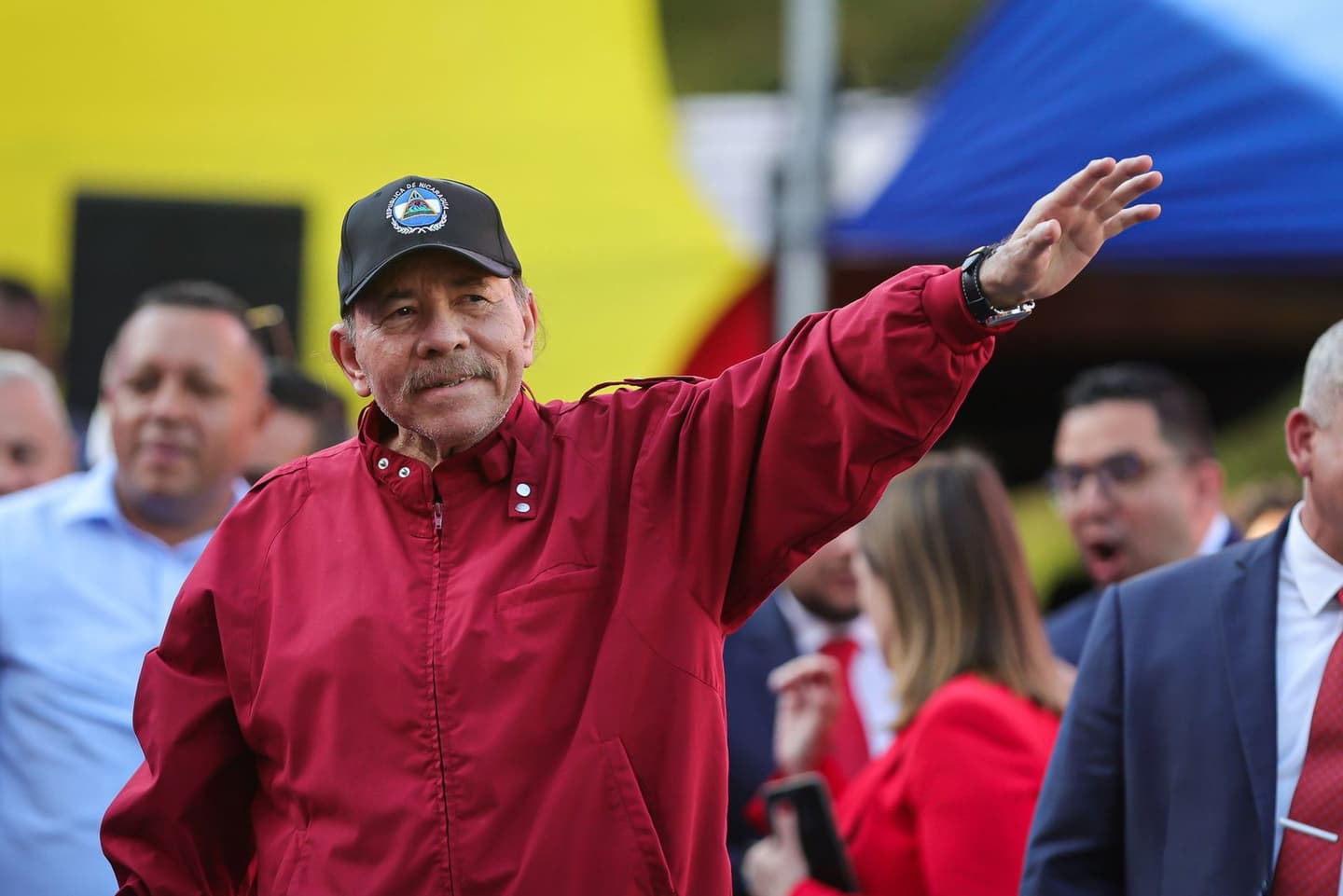
Ortega Announces No More Elections: On July 19, 2026, speaking at a Sandinista revolution commemoration, President Daniel Ortega declared there would be ‘no more elections’ in Nicaragua, saying the move was to prevent the opposition from seizing power. He framed the announcement as closing off any path for opposition return and did not provide details on how it would be implemented.
February 2025
Constitutional Reforms Elevate Murillo: A constitutional reform that took effect last year (noted as February 2025) elevated Rosario Murillo to ‘co‑president’ and extended the presidential term to six years, further consolidating power within Ortega’s circle. Those changes reduced institutional independence and expanded the couple’s authority.
Summary by Ground AI
Sources
See All 284A varied selection of sources chosen by Ground to reflect the diversity of this story’s coverage.
Most Written About
The stories getting the most coverage from the last 24 hours


Timeline
July 19, 2026
Power Consolidated; International Accusations: As of July 19, 2026, Ortega and Murillo control virtually every branch of government — including the armed forces and judiciary — after reforms that critics and the U.N. Human Rights Council say have transformed Nicaragua into an authoritarian state. The reforms have pushed the next scheduled general election to 2027, effectively eliminating a near‑term electoral challenge.
July 19, 2026
Ortega Announces No More Elections: On July 19, 2026, speaking at a Sandinista revolution commemoration, President Daniel Ortega declared there would be ‘no more elections’ in Nicaragua, saying the move was to prevent the opposition from seizing power. He framed the announcement as closing off any path for opposition return and did not provide details on how it would be implemented.
February 2025
Constitutional Reforms Elevate Murillo: A constitutional reform that took effect last year (noted as February 2025) elevated Rosario Murillo to ‘co‑president’ and extended the presidential term to six years, further consolidating power within Ortega’s circle. Those changes reduced institutional independence and expanded the couple’s authority.


