Protesters Block Restricted Orange Order March on Garvaghy Road
Portadown, UK
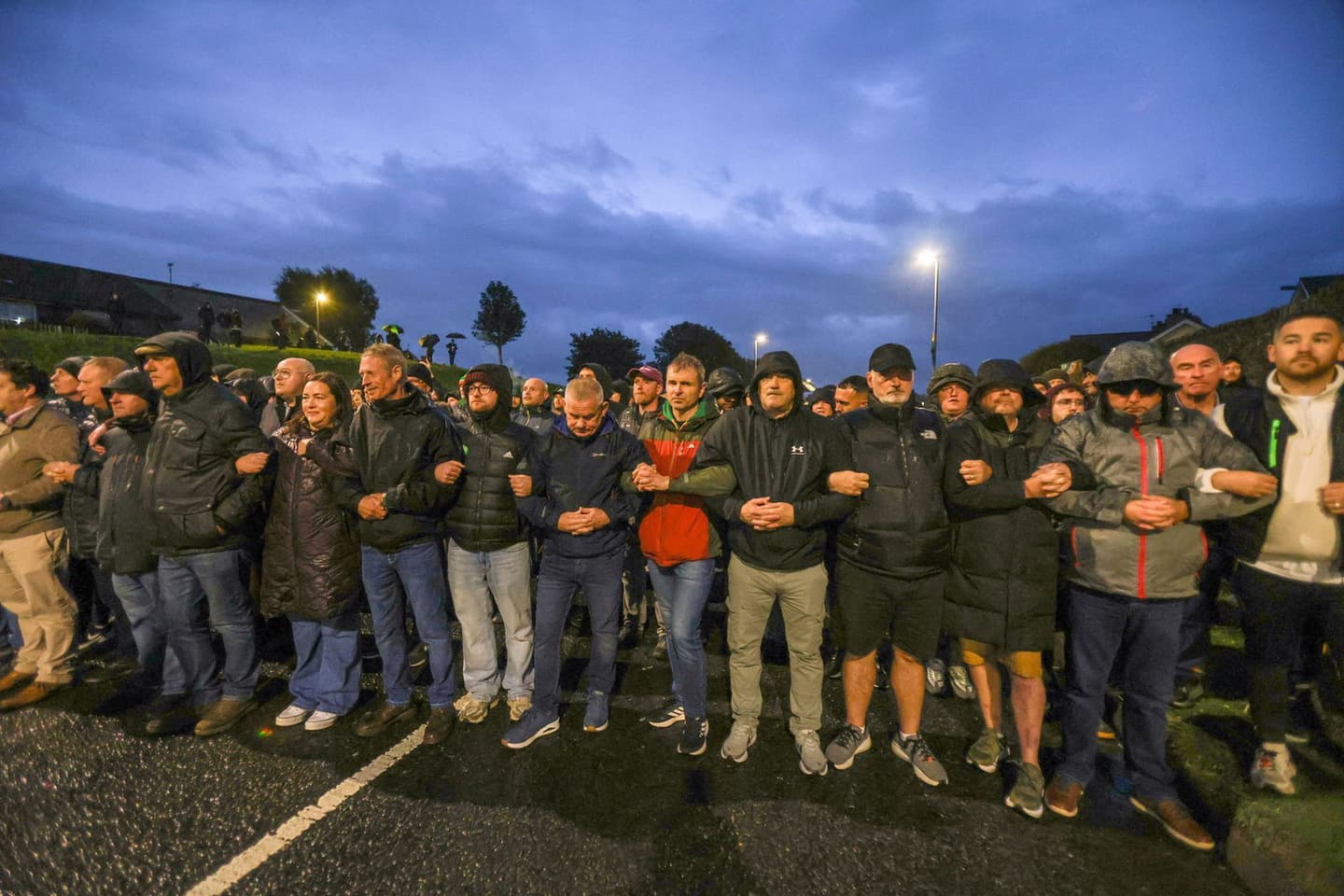
Paul Faith / AFP via Getty Images/Getty
Source Analysis




What Happened
What Happened
Where Sources Agree
- arrows_inputParade Restrictions Confirmed: Some outlets verify a restricted march of 35 participants on September 27, requiring an 8:00 AM start and 9:30 AM finish with no bands or accompanying supporters, per Parades Commission determination.
- arrows_inputCounter-Protest Scale: Some sources suggest approximately 2,000 protesters gathered on Sunday to block the Garvaghy Road in Portadown in opposition to the restricted Orange Order march, according to multiple reports.
- arrows_inputHistorical Context of Dispute: Some coverage highlights the Garvaghy Road's status as a notorious flashpoint for the Drumcree dispute, which has been subject to a parade ban since 1998, as a stark reminder of the deeply traumatic memories from the Troubles and the Good Friday Agreement, according to historical context.
Where Sources Disagree
- arrows_outputDrumcree Parade Characterization: Unionist figures defend the march as a lawful, orderly exercise of tradition, emphasizing that a silent procession of 35 men poses no threat. In contrast, nationalist leaders condemn the event as an unwanted sectarian provocation, warning it destabilizes fragile peace and threatens to drag the community back to the past.
- arrows_outputProtest Participation Legality: Democratic Unionist Party leaders accuse Sinn Féin officials of breaking the law by participating in the counter-protest, whereas Sinn Féin representatives maintain they are exercising their duty to defend the Garvaghy Road community’s right to protest against an unwanted march.
Timeline
September 27, 2026
Protesters block Garvaghy Road: On September 27, 2026 thousands of protesters — many wearing balaclavas and gathered in heavy rain — massed to block Garvaghy Road, delaying the scheduled 8am start of the tightly restricted Orange Order parade and prompting calls from political leaders and police for calm.
September 27, 2026
Emergency court battles and appeal: Residents won a temporary High Court injunction blocking the march on Saturday, but a Court of Appeal sitting late Saturday overturned that injunction and a final hearing concluded in the early hours of Sunday (ending around 2:15am), restoring the commission's time‑limited permission for the parade.
September 2026
Commission approves restricted parade: The Parades Commission issued a fresh determination allowing a highly restricted return parade on Garvaghy Road as a one‑off: limited to 35 participants (including five named marshals), depart Drumcree Church no later than 8am and disperse at Carleton Street Orange Hall by 9:30am, with strict prohibitions on banners, bands and supporters.
Perspectives and Debates
Does the authorized march represent a dangerous sectarian provocation or a lawful, contained event?
Summary by Ground AI
Sources
See All 204A varied selection of sources chosen by Ground to reflect the diversity of this story’s coverage.
Most Written About
The stories getting the most coverage from the last 24 hours


Source Analysis
Timeline
September 27, 2026
Protesters block Garvaghy Road: On September 27, 2026 thousands of protesters — many wearing balaclavas and gathered in heavy rain — massed to block Garvaghy Road, delaying the scheduled 8am start of the tightly restricted Orange Order parade and prompting calls from political leaders and police for calm.
September 27, 2026
Emergency court battles and appeal: Residents won a temporary High Court injunction blocking the march on Saturday, but a Court of Appeal sitting late Saturday overturned that injunction and a final hearing concluded in the early hours of Sunday (ending around 2:15am), restoring the commission's time‑limited permission for the parade.
September 2026
Commission approves restricted parade: The Parades Commission issued a fresh determination allowing a highly restricted return parade on Garvaghy Road as a one‑off: limited to 35 participants (including five named marshals), depart Drumcree Church no later than 8am and disperse at Carleton Street Orange Hall by 9:30am, with strict prohibitions on banners, bands and supporters.


