Trump Loan Caps Drive Surge in Private Graduate Borrowing
United States
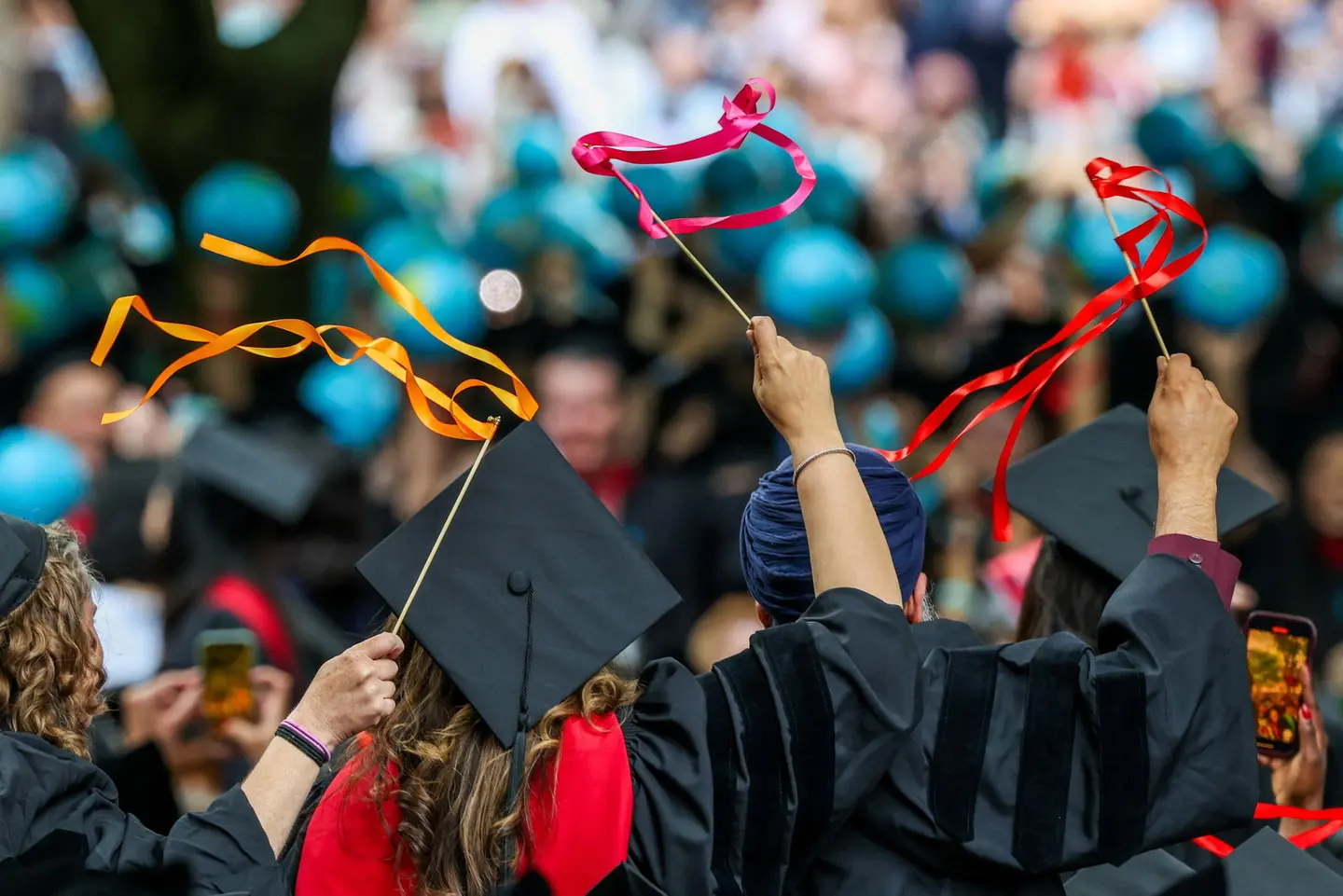
Taylor Coester/Reuters
Source Analysis

What Happened
What Happened
Where Left Sources Focus
- Private Banks as Gatekeepers: Left-leaning sources highlight concerns that private lenders are becoming the primary arbiters of professional education access. Citing university faculty and admissions deans, they argue that these changes create systemic hurdles for students from lower-income backgrounds, effectively allowing private banks to determine who pursues advanced degrees.
- Student Disruption and Anxiety: Coverage in left-leaning outlets prioritizes the personal impact of policy uncertainty on student mental health. Through student accounts and interviews with program administrators, they detail the immense anxiety surrounding loan eligibility and the forced reliance on family cosigners and personal savings to navigate educational disruptions.
Where Center Sources Focus
- Market Mechanics and Adaptation: Center-leaning sources analyze the rise in private lending and institutional cost-cutting following federal caps. Citing data from private lenders like SoFi and Sallie Mae, they report a significant surge in private loan originations and note how schools are actively adjusting program costs to respond to the new federal limits.
- Administration Policy Rationale: Center media focus on the government's justification for the caps, describing them as necessary measures to curb excessive borrowing and address soaring college costs. They also highlight technical implementation challenges, noting that classification of 'professional' programs led to confusion and delays in delivering financial aid packages to students.
What's Largely Absent from Each Side
- Left sources rarely mention: Left-leaning sources rarely mention aggregate quantitative market data regarding the surge in private lending. Center-leaning outlets feature these statistics prominently, citing reports from lenders like SoFi and Sallie Mae that show a massive year-over-year increase in private student loan originations following the implementation of federal caps.
- Center sources rarely mention: Center-leaning sources rarely mention personal narrative framing focused on the psychological toll and anxiety of prospective students. Left-leaning outlets feature these accounts prominently, detailing how individual students face significant financial uncertainty and anxiety while attempting to secure funding for their professional graduate programs.
Rare Agreement
- Market Adaptation and Policy: Both sides acknowledge that federal caps on graduate student loans have been implemented, prompting educational institutions to cut program costs. Sources across the ideological spectrum confirm that borrowers are increasingly turning to private lenders to bridge the funding gap created by the new federal limits.
Timeline
November 06, 2026
Projected borrower shortfalls and impacts: Analysts estimate that when fully phased in, more than half a million borrowers will need to find about $20,000 a year from nonfederal sources, and at least 40 schools have cut costs on some programs; critics warn the caps could create new hurdles for low-income students while some lenders predicted many borrowers might be denied by traditional private lenders. These projections frame the broader, ongoing impact of the policy change.
October 2026
Private lending and student pivots spike: Students and some schools turned to private lenders to fill gaps left by the caps, with private loan originations surging (SoFi reported $2.9 billion in Q3 and Sallie Mae said graduate loans were up 119% year-over-year) and some programs reporting steep increases in private borrowing (South Carolina Student Loan saw a 400% rise). Individual students reported using savings, cosigned private loans, or borrowing limited federal amounts for initial terms.
October 2026
Administrative disruptions and delays: The late changes slowed software updates needed to process loans and forced schools to delay delivering financial aid packages, extending the peak lending season into October. Lenders and college officials reported operational disruption and heightened confusion among students and families.
Summary by Ground AI
Sources
See All 69A varied selection of sources chosen by Ground to reflect the diversity of this story’s coverage.
Most Written About
The stories getting the most coverage from the last 24 hours




Source Analysis
Timeline
November 06, 2026
Projected borrower shortfalls and impacts: Analysts estimate that when fully phased in, more than half a million borrowers will need to find about $20,000 a year from nonfederal sources, and at least 40 schools have cut costs on some programs; critics warn the caps could create new hurdles for low-income students while some lenders predicted many borrowers might be denied by traditional private lenders. These projections frame the broader, ongoing impact of the policy change.
October 2026
Private lending and student pivots spike: Students and some schools turned to private lenders to fill gaps left by the caps, with private loan originations surging (SoFi reported $2.9 billion in Q3 and Sallie Mae said graduate loans were up 119% year-over-year) and some programs reporting steep increases in private borrowing (South Carolina Student Loan saw a 400% rise). Individual students reported using savings, cosigned private loans, or borrowing limited federal amounts for initial terms.
October 2026
Administrative disruptions and delays: The late changes slowed software updates needed to process loans and forced schools to delay delivering financial aid packages, extending the peak lending season into October. Lenders and college officials reported operational disruption and heightened confusion among students and families.


