Netanyahu Reportedly Presses Trump Daily for Renewed Iran Strikes
Israel
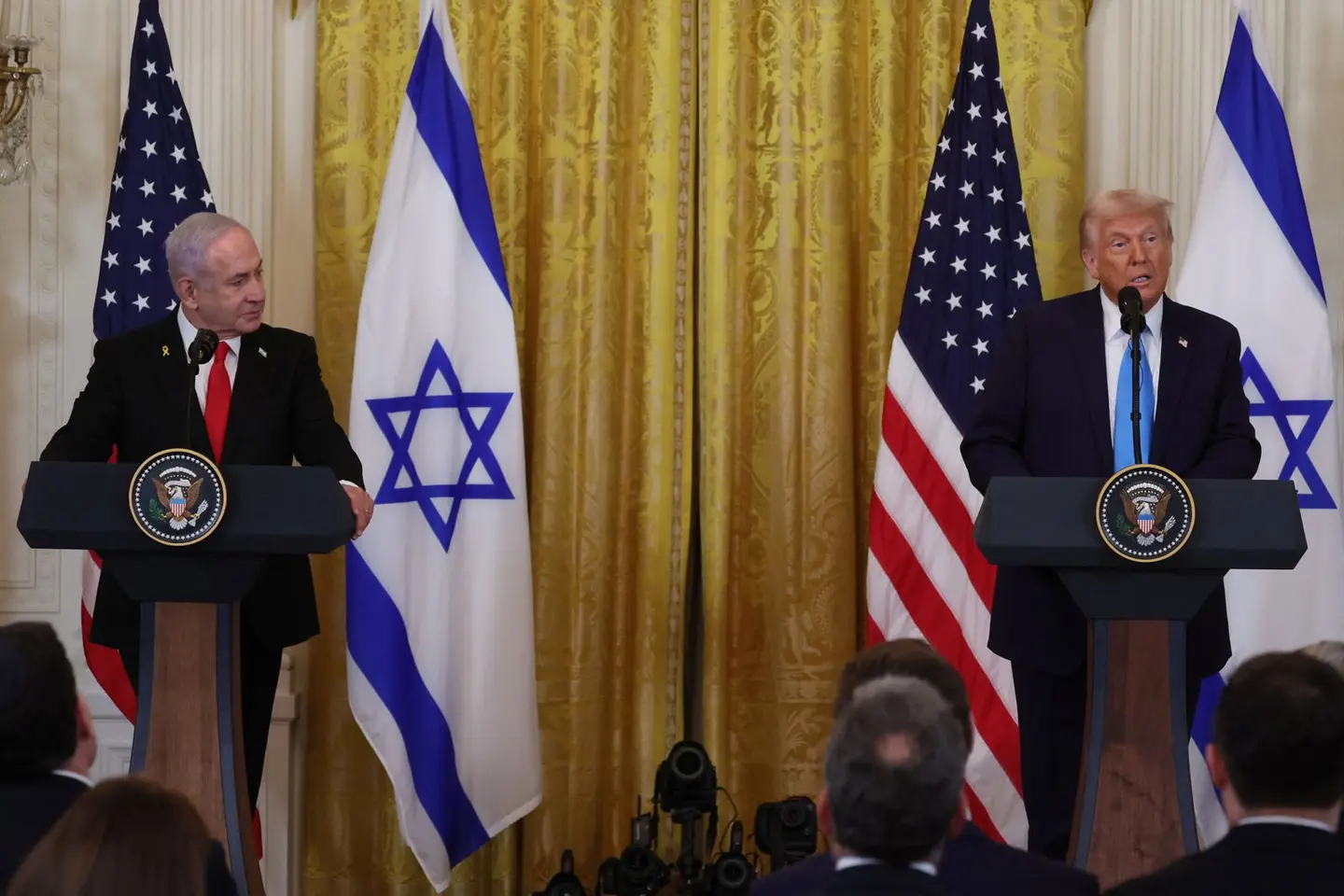
Leah Millis/Reuters
Source Analysis




What Happened
What Happened
Where Left Sources Focus
- Netanyahu's Political Vulnerability: Left-leaning sources connect Netanyahu’s lobbying efforts to his domestic instability, citing his shrinking coalition, corruption trial, and ICC arrest warrant. These outlets characterize his foreign policy pressure as an attempt to maintain power amid widespread domestic political challenges and declining influence.
- White House Foreign Influence Concerns: Reporting from left-leaning outlets highlights internal White House resistance to Netanyahu’s daily pressure campaign. Citing diplomatic insiders, these sources emphasize the struggle between war skeptics attempting to block foreign influence and the Prime Minister’s persistent lobbying to resume military operations.
Where Right Sources Focus
- Regional Diplomacy and Status Quo: Right and center-leaning outlets focus on the coordination between Trump and regional leaders to maintain stability. They report that Gulf allies, including Saudi Arabia and the UAE, prioritize the status quo over renewed escalation, with Trump emphasizing positive momentum in ongoing negotiations.
- Negotiation Framework Complexity: Coverage details the complex technical conditions surrounding Iran negotiations, including disputes over frozen assets and the fate of highly enriched uranium stockpiles. These outlets outline the specific demands and mediator efforts involved in attempting to break the deadlock between Washington and Tehran.
What's Largely Absent from Each Side
- Left sources rarely mention: Left-leaning sources rarely mention specific technical negotiation conditions, such as the dispute over $8 billion in frozen assets and 440 kilograms of enriched uranium. Right and center outlets feature these details prominently as central to the diplomatic impasse.
- Right sources rarely mention: Right and center outlets largely omit context regarding Netanyahu's domestic political weakness, including his corruption trial and recent election losses. Conversely, left-leaning sources emphasize these factors as potential drivers for his external pressure campaign.
Rare Agreement
- Regional Opposition to Escalation: Despite divergent coverage patterns, sources across the ideological spectrum agree that major regional leaders—including those from Saudi Arabia, the UAE, and Qatar—oppose renewed military escalation and prefer maintaining the status quo to avoid broader instability.
Timeline
November 10, 2026
FT: Netanyahu urges Trump; backlash: A Financial Times report (as of Nov. 10, 2026) said Netanyahu has been urging President Trump to resume large-scale strikes on Iran—reportedly calling 'every day'—while Trump and US regional partners signaled preference for diplomacy, US forces maintained a naval blockade and limited strikes, Tehran resisted transferring nuclear material, and regional leaders and war-skeptics inside the White House pushed back against escalation.
September 01, 2026
Negotiations deadlock over uranium: Mediators struggled for weeks to break a deadlock between Washington and Tehran, with talks centering on a seven-day plan Iran presented in September and major disagreements over roughly 440 kilograms of highly enriched uranium and access to damaged nuclear sites.
July 01, 2026
Brief July truce falters: A memorandum of understanding was reached in July intended to end hostilities, but fighting later resumed as diplomatic efforts stalled.
Summary by Ground AI
Sources
See All 71A varied selection of sources chosen by Ground to reflect the diversity of this story’s coverage.
Most Written About
The stories getting the most coverage from the last 24 hours




Source Analysis
Timeline
November 10, 2026
FT: Netanyahu urges Trump; backlash: A Financial Times report (as of Nov. 10, 2026) said Netanyahu has been urging President Trump to resume large-scale strikes on Iran—reportedly calling 'every day'—while Trump and US regional partners signaled preference for diplomacy, US forces maintained a naval blockade and limited strikes, Tehran resisted transferring nuclear material, and regional leaders and war-skeptics inside the White House pushed back against escalation.
September 01, 2026
Negotiations deadlock over uranium: Mediators struggled for weeks to break a deadlock between Washington and Tehran, with talks centering on a seven-day plan Iran presented in September and major disagreements over roughly 440 kilograms of highly enriched uranium and access to damaged nuclear sites.
July 01, 2026
Brief July truce falters: A memorandum of understanding was reached in July intended to end hostilities, but fighting later resumed as diplomatic efforts stalled.


