Nepal Flood Rescue Enters Fourth Day as Death Toll Tops 600
Nepal
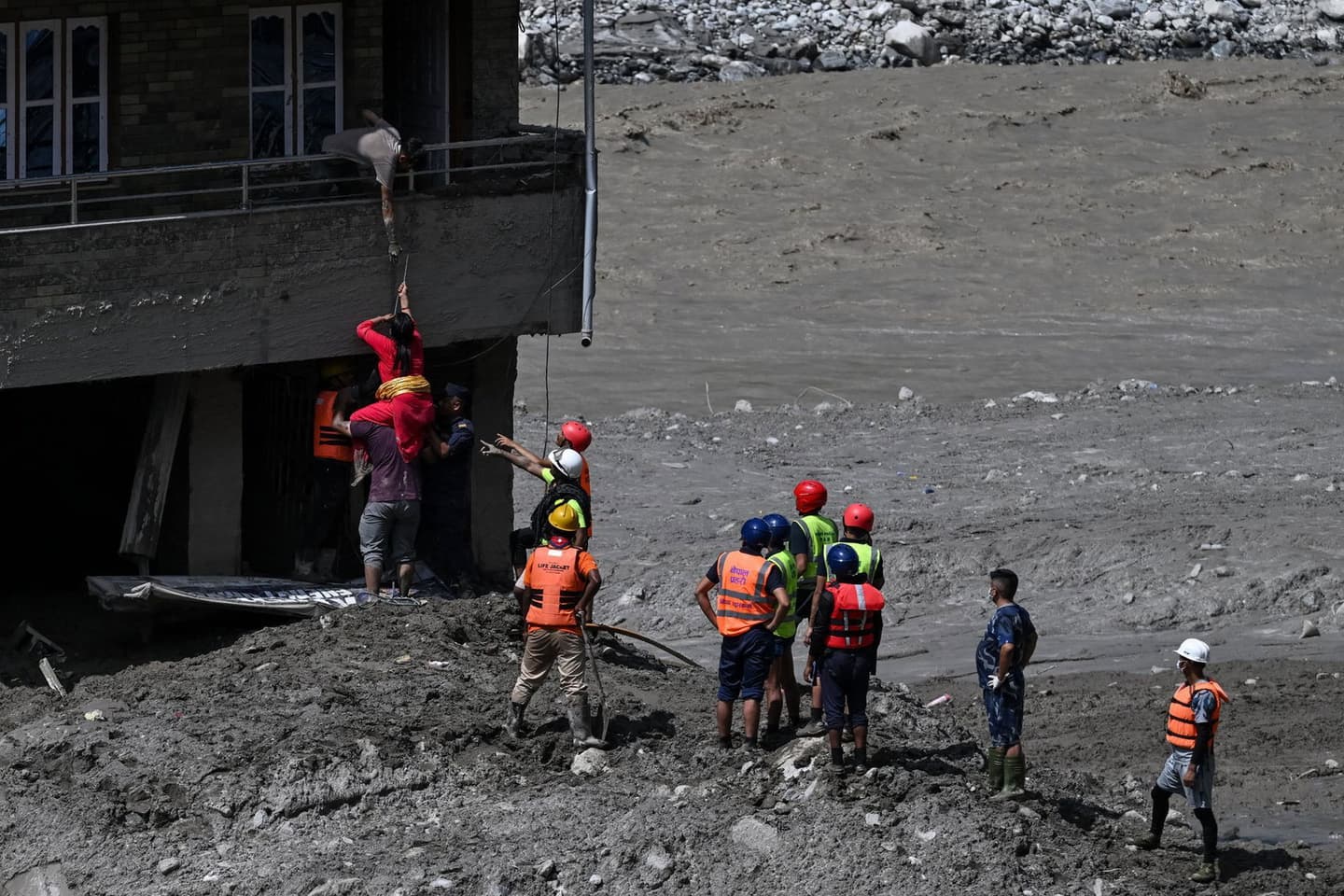
Arun SANKAR / AFP via Getty Images/Getty




What Happened
What Happened
Where Sources Agree
- arrows_inputConfirmed Death Toll: Coverage documents confirm the death toll from the Nepal-China border floods has reached at least 682, with 675 deaths reported by Nepal's disaster authority and seven deaths confirmed by Chinese state media.
- arrows_inputNearly 3,000 Missing: Initial reports confirm nearly 3,000 people are missing following catastrophic flooding in the Nepal-China border region, with hundreds of foreign nationals included among those unaccounted for, according to Nepal’s disaster authority and Chinese state media.
Where Sources Disagree
- arrows_outputDeath Toll Discrepancy: Reports on the disaster's death toll vary across sources, with some authorities citing figures between 579 and 626, while other outlets report higher estimates ranging from 675 to 700.
- arrows_outputMissing Persons Count: Reports on the number of missing persons following the Nepal-China floods vary, with some authorities citing approximately 1,900 individuals, while other sources report figures ranging from 2,400 to 3,000.
- arrows_outputForeign Rescue Assistance Stance: Initial reports stated that Nepali authorities declined offers of international rescue assistance. In contrast, subsequent official updates clarified that Nepal specifically requested specialized foreign support for complex tasks like tunnel rescues and forensic identification after assessing internal capabilities.
Timeline
August 29, 2026
Fourth day: death toll tops 600: As rescue operations entered their fourth day on August 29, Nepal's disaster agency reported the death toll at 626 with 2,426 missing (Nepal only), a combined Nepal‑Tibet toll of 633 and nearly 3,000 missing, while more than 3,700 people had been rescued and thousands evacuated.
August 28, 2026
New glacial lake raises alarms: Following the collapse a new high‑altitude lake formed and began to overflow, prompting warnings and fresh alerts after reports of a dam bursting on the Tibet side and concerns about further flooding downstream.
August 27, 2026
Hydropower tunnel rescue efforts: Army and rescue teams worked at Upper Trishuli/Trishuli hydropower sites, rescuing hundreds (about 350 reported) from tunnels and work sites while more than 100 people were believed still trapped in a mud‑filled tunnel. Indian and Chinese specialist teams were deployed to assist.
Perspectives and Debates
Was the catastrophic flood a foreseeable monitoring failure?
Summary by Ground AI
Sources
See All 318A varied selection of sources chosen by Ground to reflect the diversity of this story’s coverage.
Most Written About
The stories getting the most coverage from the last 24 hours






Timeline
August 29, 2026
Fourth day: death toll tops 600: As rescue operations entered their fourth day on August 29, Nepal's disaster agency reported the death toll at 626 with 2,426 missing (Nepal only), a combined Nepal‑Tibet toll of 633 and nearly 3,000 missing, while more than 3,700 people had been rescued and thousands evacuated.
August 28, 2026
New glacial lake raises alarms: Following the collapse a new high‑altitude lake formed and began to overflow, prompting warnings and fresh alerts after reports of a dam bursting on the Tibet side and concerns about further flooding downstream.
August 27, 2026
Hydropower tunnel rescue efforts: Army and rescue teams worked at Upper Trishuli/Trishuli hydropower sites, rescuing hundreds (about 350 reported) from tunnels and work sites while more than 100 people were believed still trapped in a mud‑filled tunnel. Indian and Chinese specialist teams were deployed to assist.


