Study Finds Deep Gulf Marine Life Still Down 60% After Deepwater Horizon
United States
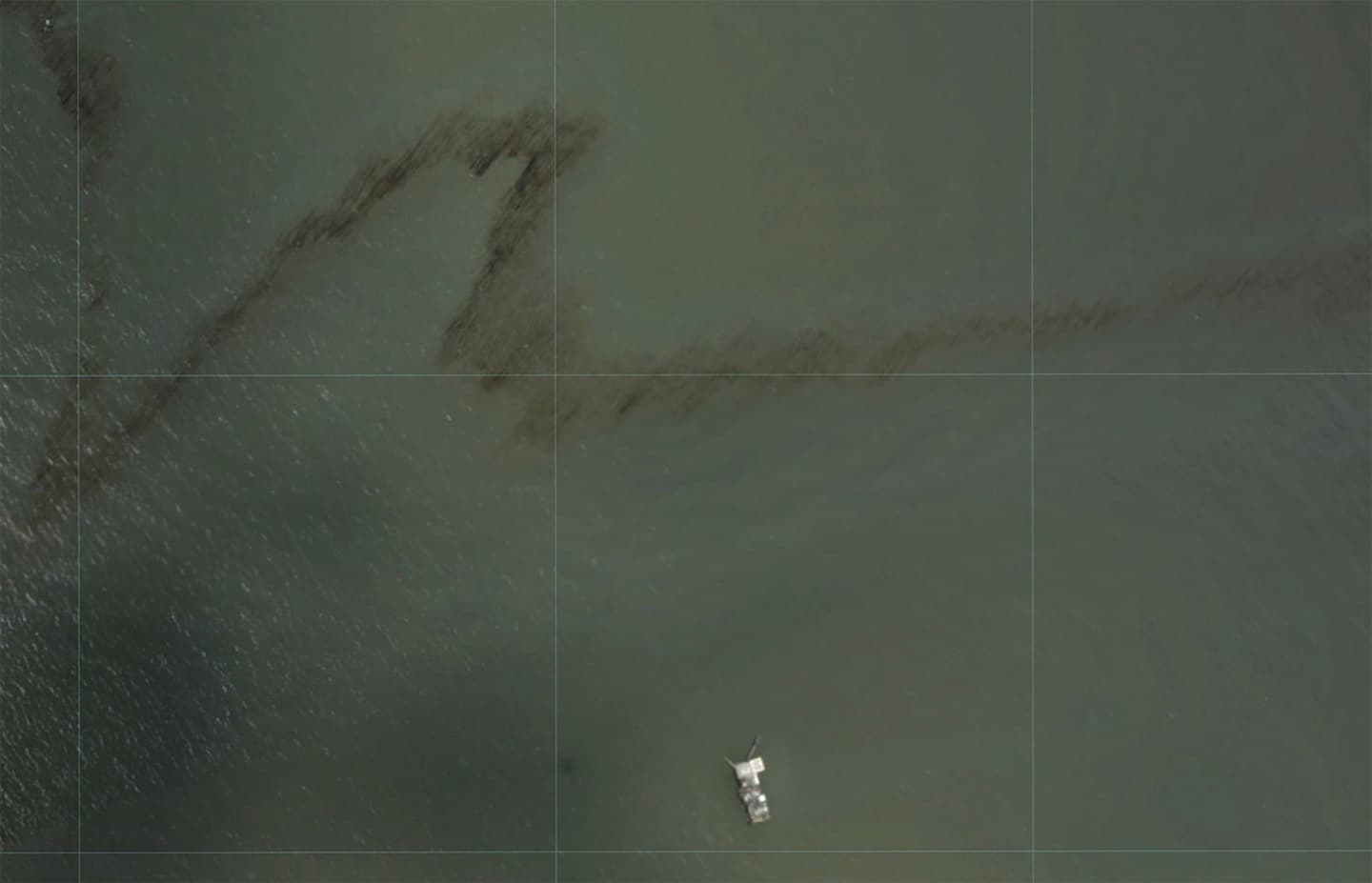
NOAA/Reuters
Source Analysis




What Happened
Key Implications
What Happened
Key Implications
Where Sources Agree
- arrows_inputDeep-Sea Marine Decline: Coverage confirms deep-sea animal populations declined by 60 to 85 percent following the Deepwater Horizon spill; foundational species like krill, crustaceans, and squid remain significantly depleted with few signs of recovery, according to a study published in PNAS.
- arrows_inputHistorical Context Confirmed: Sources across outlets confirm the Deepwater Horizon rig explosion on April 20, 2010, killed 11 workers and triggered the largest accidental marine oil spill in history, releasing 4.9 million barrels of oil, according to historical records.
Where Sources Disagree
- arrows_outputMarine Decline Attribution: Researchers assessing deep-sea ecosystems identify the Deepwater Horizon oil spill as the most parsimonious explanation for widespread faunal declines. Conversely, other investigators examining endemic fish species caution that the absence of specific populations in recent years cannot automatically be attributed to the spill.
- arrows_outputGulf Marine Life Impact: While one study reports a 60 to 85 percent decline in deep-pelagic animal populations following the 2010 oil spill, other research highlights that 29 of 78 endemic fish species have not been reported in museum collections since the incident.
Timeline
April 19, 2024
2024 studies confirm long‑term losses: A 2024 set of studies published in PNAS and Biodiversity Data Journal found overall declines of roughly 60% in mid‑water marine animals (with crustaceans down ~62%, squid/octopuses ~59.7%, and krill drops up to 72%), and a separate museum‑database study reported 29 of 78 endemic Gulf fish species unreported in collections since 2010, indicating sustained biodiversity loss. These publications summarize multi‑method evidence (nets, sonar, genetics, museum records) showing enduring damage from the Deepwater Horizon event.
2023
Low populations persist through 2023: Researchers continued sampling from 2015 onward and reported that low population levels remained, with only a slight, statistically insignificant uptick in 2022–2023; genetic and acoustic evidence showed reduced diversity and continued ecosystem imbalance. The team concluded the populations had not come close to recovering over the decade following the spill.
2015
Sharp declines by 2015: Comparing the 2011 baseline to follow‑up surveys, researchers found dramatic losses in a crucial mid‑water zone: fish counts fell about 63.5% from the year after the spill to 2015, and overall sea life in repeat surveys was only one‑quarter to one‑third of 2011 levels. These results signaled a large collapse of the deep‑water ecosystem in the years following the spill.
Summary by Ground AI
Sources
See All 105A varied selection of sources chosen by Ground to reflect the diversity of this story’s coverage.
Most Written About
The stories getting the most coverage from the last 24 hours



Source Analysis
Timeline
April 19, 2024
2024 studies confirm long‑term losses: A 2024 set of studies published in PNAS and Biodiversity Data Journal found overall declines of roughly 60% in mid‑water marine animals (with crustaceans down ~62%, squid/octopuses ~59.7%, and krill drops up to 72%), and a separate museum‑database study reported 29 of 78 endemic Gulf fish species unreported in collections since 2010, indicating sustained biodiversity loss. These publications summarize multi‑method evidence (nets, sonar, genetics, museum records) showing enduring damage from the Deepwater Horizon event.
2023
Low populations persist through 2023: Researchers continued sampling from 2015 onward and reported that low population levels remained, with only a slight, statistically insignificant uptick in 2022–2023; genetic and acoustic evidence showed reduced diversity and continued ecosystem imbalance. The team concluded the populations had not come close to recovering over the decade following the spill.
2015
Sharp declines by 2015: Comparing the 2011 baseline to follow‑up surveys, researchers found dramatic losses in a crucial mid‑water zone: fish counts fell about 63.5% from the year after the spill to 2015, and overall sea life in repeat surveys was only one‑quarter to one‑third of 2011 levels. These results signaled a large collapse of the deep‑water ecosystem in the years following the spill.


