U.S. Colleges Report 9% Drop in International Enrollment
Seattle, US
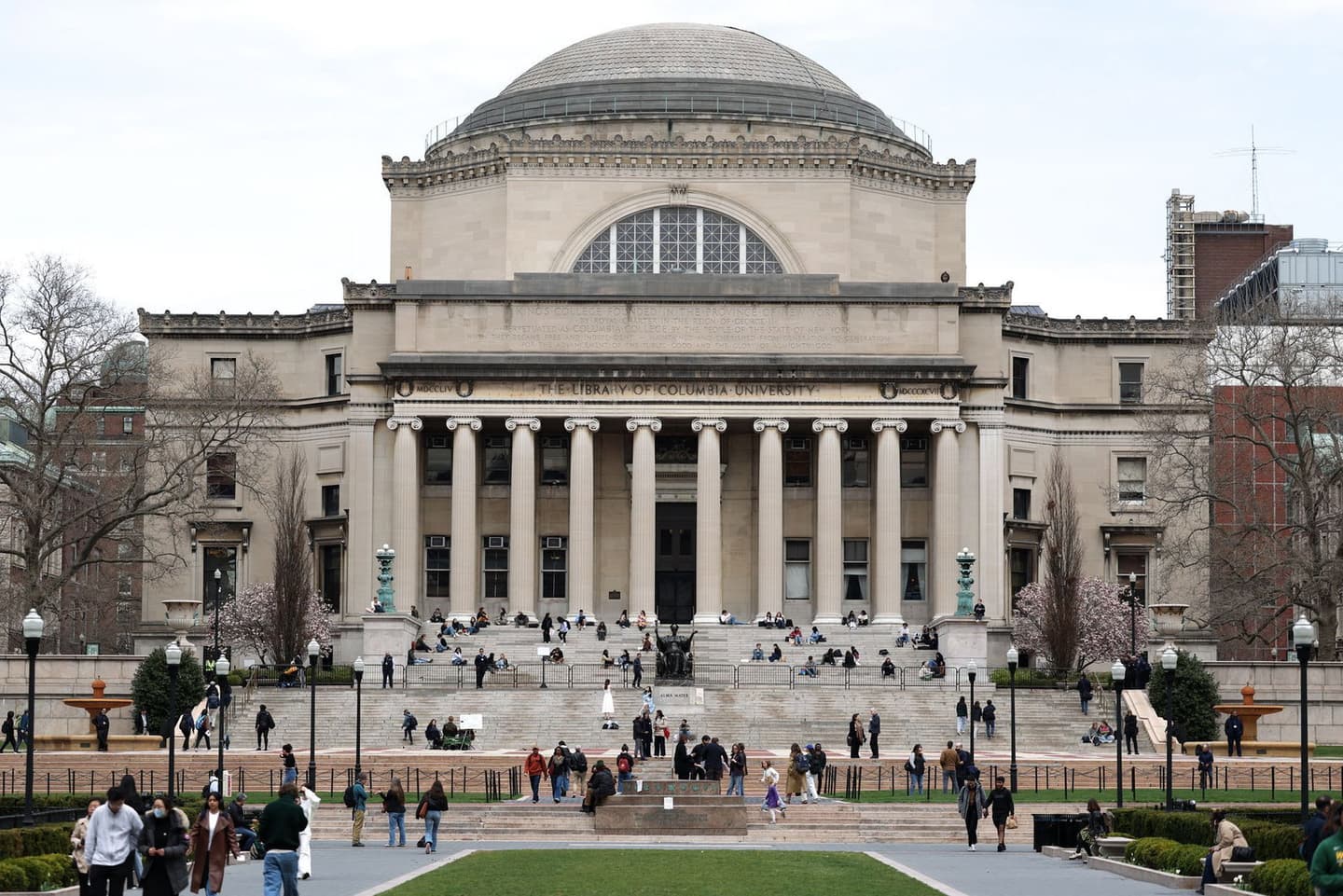
CHARLY TRIBALLEAU/AFP via Getty Images/Getty




What Happened
Key Implications
What Happened
Key Implications
Where Right Sources Focus
- University Financial Stress: Conservative outlets emphasize the fiscal impact of declining international enrollment on American universities, highlighting significant budget shortfalls such as Penn State's $124 million gap. They detail how reliance on full-tuition international students creates critical revenue holes and affects campuses nationwide, citing university financial statements and Department of Commerce data.
- Policy-Driven Enrollment Drop: Right media outlets attribute enrollment declines primarily to stricter Trump administration visa rules and travel restrictions, citing survey data from the Institute of International Education. Reports emphasize that institutions overwhelmingly identify the visa application process and travel bans as key factors, while noting administration efforts to tighten post-study work pathways like OPT.
Where Left Sources Focus
- OPT and Work Program Threats: Progressive and center outlets highlight the threat posed by proposed DHS fee hikes on Optional Practical Training (OPT) students. They report that colleges warn such policies would drive international students to other countries, and emphasize that institutions formally oppose these changes, citing IIE survey data and quotes from education association leaders.
- Research and Talent Pipeline Risks: Left and center sources emphasize risks to the U.S. scientific and research pipeline, noting that international students earn nearly 40% of science and engineering PhDs. They cite university researchers and AAU data indicating that funding uncertainty and enrollment drops threaten American scientific dominance, potentially ceding leadership to competitors like China and Europe.
What's Largely Absent from Each Side
- Right sources rarely mention: Right-leaning sources rarely mention the long-term impact on the U.S. PhD and scientific research pipeline, while left and center outlets extensively cover how declining enrollment threatens American scientific dominance and research capacity, citing warnings from the Association of American Universities.
- Left sources rarely mention: Left and center outlets rarely detail specific institutional budget shortfalls or national economic loss figures, while right-leaning sources feature concrete examples like Penn State’s $124 million gap and the $2.4 billion drop in economic contributions to illustrate the immediate financial stakes.
Rare Agreement
- Core International Enrollment Declines: Despite divergent coverage patterns, sources across the ideological spectrum agree that overall international enrollment declined during the 2025-26 academic year, with new enrollments falling sharply, even as the United States remains a top global destination.
Timeline
November 16, 2026
Economic And Budgetary Consequences: International students contributed nearly $56 billion to the U.S. economy in 2025, but recent declines have reduced economic impact (NAFSA estimated a $2.4 billion drop this autumn) and are creating budget shortfalls at universities, with examples including multimillion‑dollar losses at individual campuses and a $124 million gap cited by Pennsylvania State University.
November 16, 2026
Fall 2026 Snapshot Shows Steeper Decline: An IIE Fall 2026 Snapshot of more than 800 institutions reported a 9% overall decline in international student totals in autumn 2026, with graduate enrollment down about 15% and first‑time international enrollments plunging — signaling an accelerating fall into the current academic year.
November 16, 2026
Open Doors 2025/26 Report Released: The Institute of International Education's Open Doors 2026 report (released Nov 16, 2026) found 1,146,163 international students in U.S. higher education in 2025/26 (a 3% decline), with new international enrollments down 18% to 228,123 and notable falls in India and China totals. The report also showed graduate enrollment falling more sharply than undergraduate levels.
Summary by Ground AI
Sources
See All 89A varied selection of sources chosen by Ground to reflect the diversity of this story’s coverage.
Most Written About
The stories getting the most coverage from the last 24 hours



Timeline
November 16, 2026
Economic And Budgetary Consequences: International students contributed nearly $56 billion to the U.S. economy in 2025, but recent declines have reduced economic impact (NAFSA estimated a $2.4 billion drop this autumn) and are creating budget shortfalls at universities, with examples including multimillion‑dollar losses at individual campuses and a $124 million gap cited by Pennsylvania State University.
November 16, 2026
Fall 2026 Snapshot Shows Steeper Decline: An IIE Fall 2026 Snapshot of more than 800 institutions reported a 9% overall decline in international student totals in autumn 2026, with graduate enrollment down about 15% and first‑time international enrollments plunging — signaling an accelerating fall into the current academic year.
November 16, 2026
Open Doors 2025/26 Report Released: The Institute of International Education's Open Doors 2026 report (released Nov 16, 2026) found 1,146,163 international students in U.S. higher education in 2025/26 (a 3% decline), with new international enrollments down 18% to 228,123 and notable falls in India and China totals. The report also showed graduate enrollment falling more sharply than undergraduate levels.


