DOJ Seeks to Block Alaska Senate Certification Over Dan Sullivan Name Confusion
Alaska, US
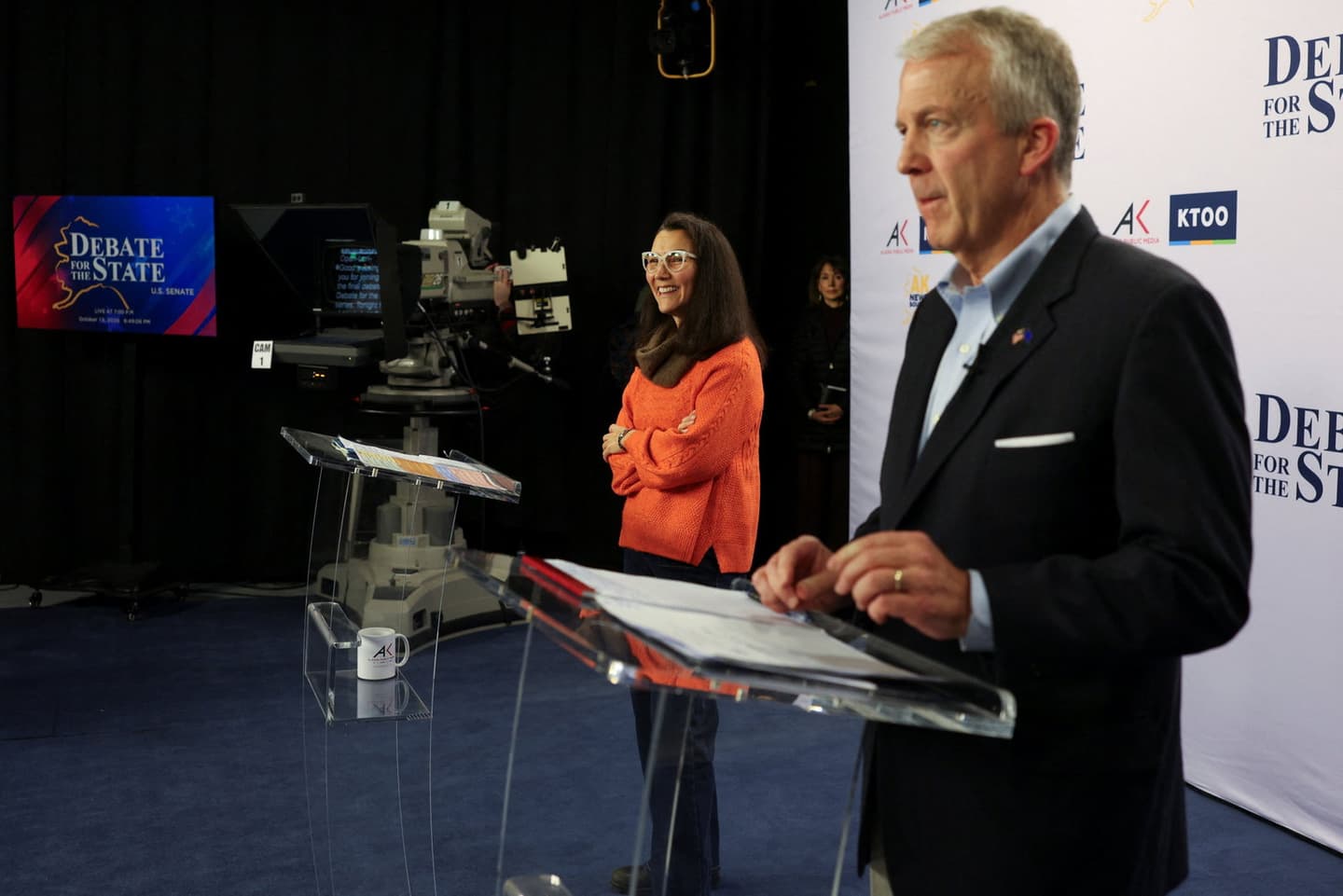
Kerry Tasker/Reuters
Source Analysis




What Happened
What Happened
Where Left Sources Focus
- Trump DOJ Political Weaponization: Left-leaning sources frame the lawsuit as a calculated political tactic, highlighting concerns that the Trump administration is using the DOJ to target opponents and block election results. These outlets cite voting rights advocates and legal analysts who characterize the move as part of a broader anti-democratic pattern.
- Legal Meritlessness: Progressive coverage highlights skepticism from legal experts who describe the DOJ’s theory as 'strange and unusual' and practically unenforceable. Sources emphasize that the underlying statute does not grant the federal government authority to enjoin state election certifications, casting doubt on the lawsuit's potential success.
Where Center Sources Focus
- Ranked-Choice Election Mechanics: Center-leaning outlets prioritize explaining the mechanics of Alaska’s ranked-choice voting system, detailing how the process functions during general elections. Reporting emphasizes that voters rank candidates by preference and that the system includes provisions for eliminating lowest-performing candidates in successive rounds of tabulation.
- Litigation Specifics: Center coverage reports the specific procedural claims within the DOJ complaint, noting that the lawsuit alleges voter confusion due to similar candidate names. These outlets detail how federal attorneys are naming Alaska election officials as defendants, arguing that intervention is necessary to protect electoral integrity.
What's Largely Absent from Each Side
- Left sources rarely mention: Left sources rarely mention that the Alaska Supreme Court previously rejected efforts to remove the other Sullivan from the ballot, a detail center outlets feature to provide context on state-level handling of the candidate dispute.
- Center sources rarely mention: Center coverage largely omits the broader political narrative linking this lawsuit to Trump’s 2020 election denialism patterns, a connection left outlets extensively cover by framing the action as a specific strategy to block unfavorable outcomes.
Rare Agreement
- Legal Skepticism: Despite divergent coverage patterns, sources across outlets acknowledge the lawsuit’s existence while reporting that election law experts describe the DOJ's legal theory as 'strange' or 'unusual,' questioning its practical application and legal merit.
Timeline
October 22, 2026
Legal experts criticize DOJ theory: Election law professors and observers called the Justice Department's legal theory 'strange and unusual,' saying the statute cited likely does not allow DOJ to enjoin state certification and that the lawsuit may only become relevant if Republicans narrowly lose the race. The move has heightened concerns about a potentially lengthy federal-state legal battle that could affect control of the Senate.
October 22, 2026
Vote totals and ballot listings reported: The DOJ filing cited primary figures showing Peltola with 49.5% of the vote, incumbent Dan Sullivan with 41.4% (68,726 votes in the primary) and Daniel J. Sullivan with about 2.5%, and noted state officials listed Daniel J. Sullivan on the general-election ballot without a party designation while the senator appears as 'Registered Republican' and 'incumbent.'
October 22, 2026
DOJ files lawsuit to block certification: The Department of Justice filed a lawsuit seeking a court order to prevent Alaska from certifying a Mary Peltola win if the other Dan Sullivan remains on the ballot, arguing federal law permits intervention to protect the integrity of the 2026 Senate election. The filing asks a judge to block certification under certain circumstances rather than simply removing the challenger.
Perspectives and Debates
Summary by Ground AI
Sources
See All 484A varied selection of sources chosen by Ground to reflect the diversity of this story’s coverage.
Most Written About
The stories getting the most coverage from the last 24 hours







Source Analysis
Timeline
October 22, 2026
Legal experts criticize DOJ theory: Election law professors and observers called the Justice Department's legal theory 'strange and unusual,' saying the statute cited likely does not allow DOJ to enjoin state certification and that the lawsuit may only become relevant if Republicans narrowly lose the race. The move has heightened concerns about a potentially lengthy federal-state legal battle that could affect control of the Senate.
October 22, 2026
Vote totals and ballot listings reported: The DOJ filing cited primary figures showing Peltola with 49.5% of the vote, incumbent Dan Sullivan with 41.4% (68,726 votes in the primary) and Daniel J. Sullivan with about 2.5%, and noted state officials listed Daniel J. Sullivan on the general-election ballot without a party designation while the senator appears as 'Registered Republican' and 'incumbent.'
October 22, 2026
DOJ files lawsuit to block certification: The Department of Justice filed a lawsuit seeking a court order to prevent Alaska from certifying a Mary Peltola win if the other Dan Sullivan remains on the ballot, arguing federal law permits intervention to protect the integrity of the 2026 Senate election. The filing asks a judge to block certification under certain circumstances rather than simply removing the challenger.


