FCC Blocks New Foreign-Made Robots and Inverters Over Security Risks
United States
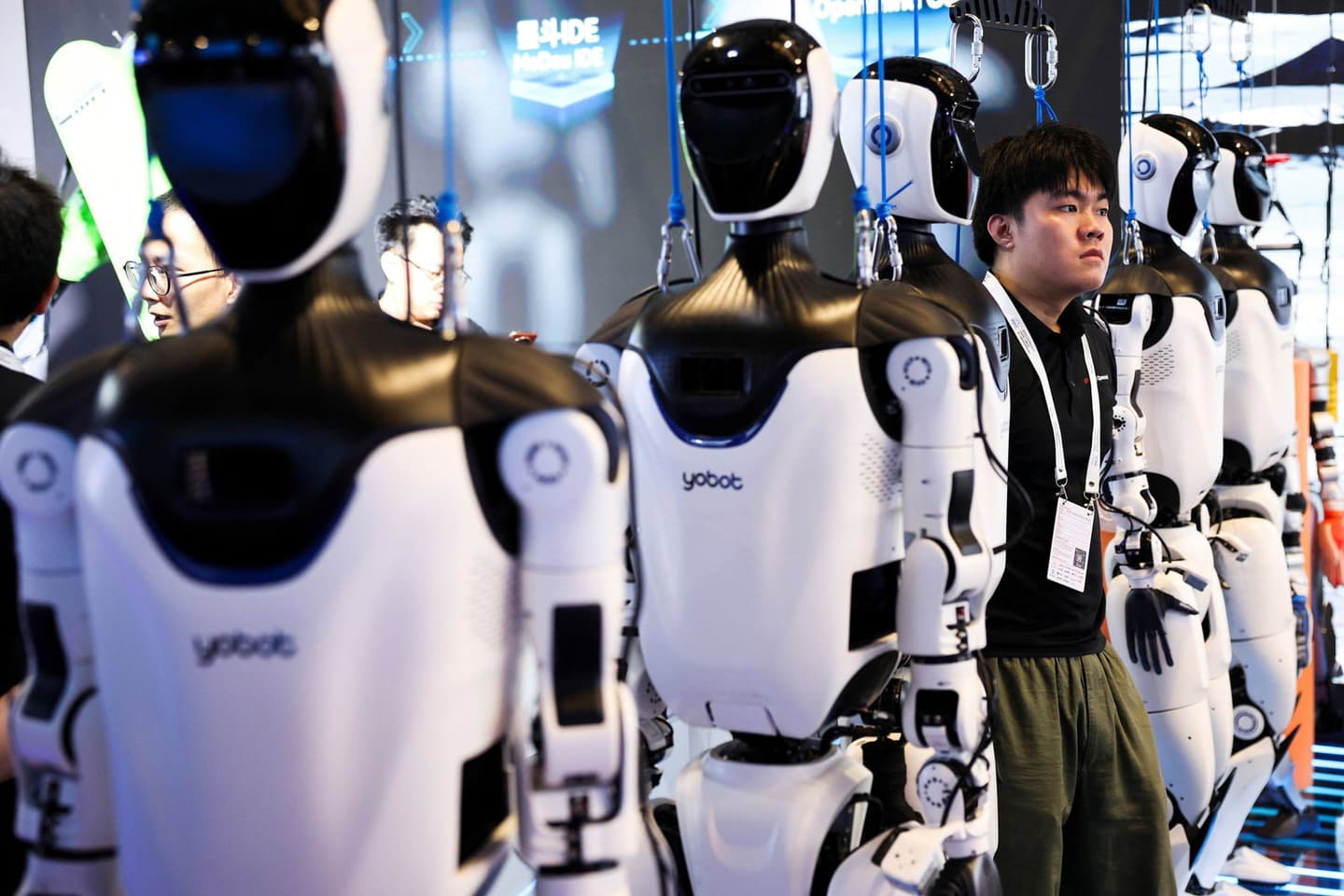
Go Nakamura/Reuters




What Happened
What Happened
Where Sources Agree
- arrows_inputNew Robotics Import Ban: Various sources establish that the Federal Communications Commission has banned new imports of Chinese humanoid robots, quadruped robots, and connected power inverters, with restrictions applying exclusively to models not yet released, according to official agency announcements.
- arrows_inputNational Security Rationale: Several reports converge on the administration’s decision to ban new imports of Chinese humanoid robots and power inverters; this measure aims to mitigate national security risks, including potential data theft, remote commandeering, and critical supply chain vulnerabilities, per National Security Determinations.
Where Sources Disagree
- arrows_outputImpact of Robot Ban: While some analysts argue the U.S. ban on Chinese humanoid robots will have a minimal impact, as manufacturers pivot toward European markets, other reports characterize the restrictions as a crippling blow that cuts off Chinese firms from their largest export market.
- arrows_outputTesla Production Targets: Tesla targets an output of 1 million robots annually, though reports note there is currently no evidence of such high-volume manufacturing underway.
- arrows_outputAgency Exemption Terminology: Sources differ slightly on the nomenclature for the agency granting exemptions; most refer to the Department of Defense, while some documents—mirroring specific FCC release language—use the term 'Department of War'.
Timeline
July 29, 2026
Industry impact and reactions: Follow‑up reporting (July 29) said the ban is expected to hit Chinese firms (Unitree singled out) given Chinese dominance of global shipments (about 90%), while U.S. and allied manufacturers (and initiatives by Tesla, Hyundai, Figure AI, Boston Dynamics and others) were cited as potential beneficiaries; analysts and policymakers offered mixed commentary on short‑ and longer‑term effects. The measure was described as a major action to bolster the U.S. robotics and inverter industries amid intensifying U.S.–China tech rivalry.
July 28, 2026
Policy mechanics and industrial push: Officials tied the policy to industrial and economic security goals, urging firms to outline plans and capital expenditures to bring manufacturing to the U.S.; the FCC — positioned as a gatekeeper — published FAQs and preserved waiver paths similar to prior drone and router restrictions. Policymakers said the move aims to reshore critical production and protect emerging technology supply chains.
July 28, 2026
Ban scope and exemptions clarified: The rules apply only to models not yet released and took effect upon publication, while not affecting devices already sold or previously FCC‑authorized; the FCC retains authority to revoke authorizations for approved models and departments like Defense and Homeland Security can grant exemptions. Reports noted the measures include processes for temporary waivers and conditional approvals.
Summary by Ground AI
Sources
See All 397A varied selection of sources chosen by Ground to reflect the diversity of this story’s coverage.
Most Written About
The stories getting the most coverage from the last 24 hours



Timeline
July 29, 2026
Industry impact and reactions: Follow‑up reporting (July 29) said the ban is expected to hit Chinese firms (Unitree singled out) given Chinese dominance of global shipments (about 90%), while U.S. and allied manufacturers (and initiatives by Tesla, Hyundai, Figure AI, Boston Dynamics and others) were cited as potential beneficiaries; analysts and policymakers offered mixed commentary on short‑ and longer‑term effects. The measure was described as a major action to bolster the U.S. robotics and inverter industries amid intensifying U.S.–China tech rivalry.
July 28, 2026
Policy mechanics and industrial push: Officials tied the policy to industrial and economic security goals, urging firms to outline plans and capital expenditures to bring manufacturing to the U.S.; the FCC — positioned as a gatekeeper — published FAQs and preserved waiver paths similar to prior drone and router restrictions. Policymakers said the move aims to reshore critical production and protect emerging technology supply chains.
July 28, 2026
Ban scope and exemptions clarified: The rules apply only to models not yet released and took effect upon publication, while not affecting devices already sold or previously FCC‑authorized; the FCC retains authority to revoke authorizations for approved models and departments like Defense and Homeland Security can grant exemptions. Reports noted the measures include processes for temporary waivers and conditional approvals.


