IMBIE Study Finds Greenland, Antarctica Lost 11.3 Trillion Tons of Ice
Greenland
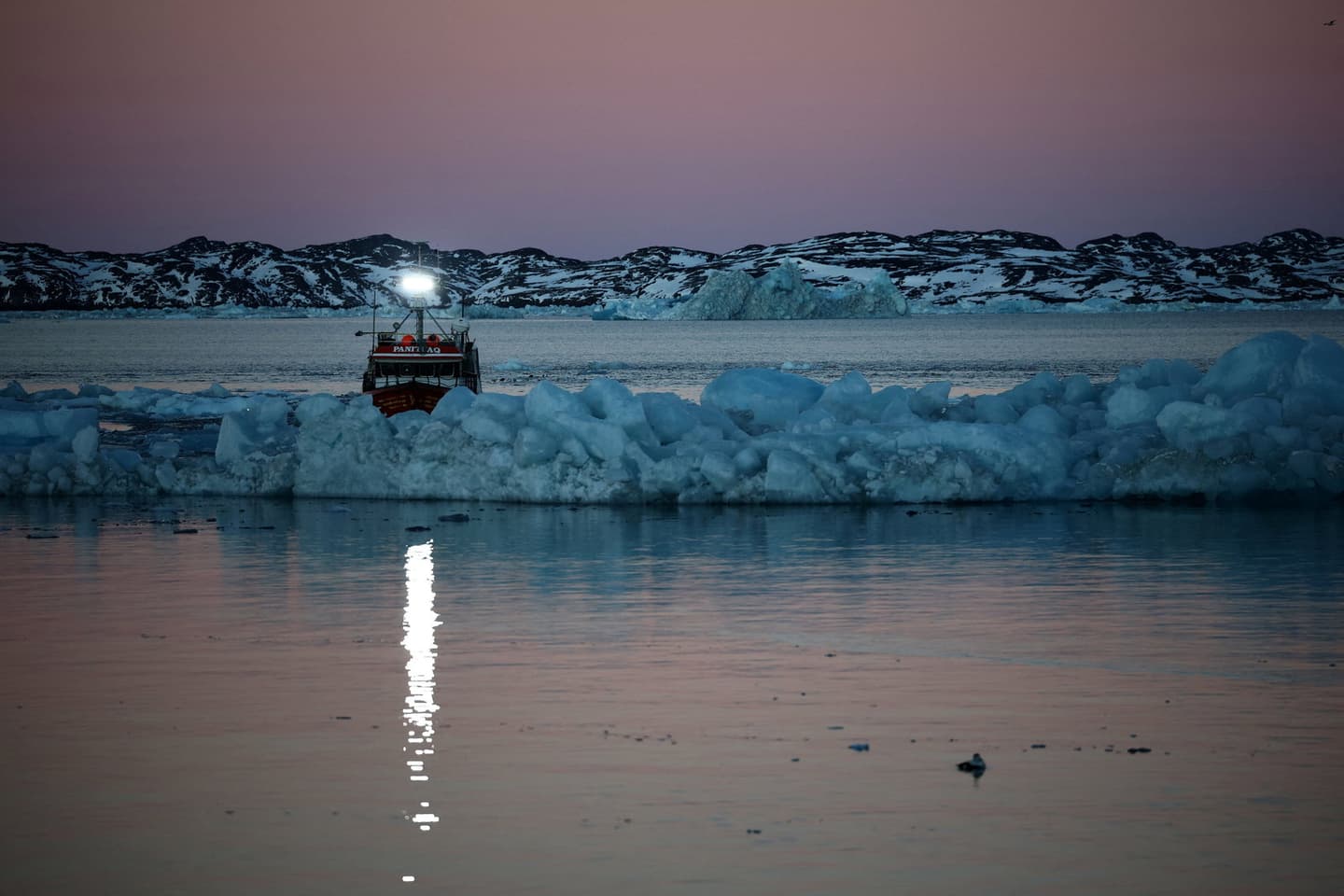
Stoyan Nenov/Reuters
Source Analysis




What Happened
Key Implications
What Happened
Key Implications
Where Sources Agree
- arrows_inputIce Loss Scale: Reporting establishes that Greenland and Antarctica lost 11.3 trillion metric tons of ice from 1972 to 2023, according to IMBIE study findings.
- arrows_inputDrivers of Polar Ice Loss: Coverage confirms that 84% of polar ice loss resulted from glacier discharge, while 16% originated from surface melting, as the trend is driven by the dynamic response of ice sheets to a warming ocean, according to scientific study findings.
- arrows_inputFuture Coastal Flood Risks: Reports broadly predict that continued ice sheet loss will drive further global sea-level rise, putting an additional 6 to 9 million people at risk of coastal flooding and erosion for every centimeter of increase, as study projections emphasize the urgent need for enhanced coastal planning.
Where Sources Disagree
- arrows_outputIce Loss Unit Discrepancy: Reports differ in the units used to quantify total ice loss, with some citing 11.3 trillion metric tons of ice. In contrast, other outlets report the total as 12.5 trillion US tons, highlighting the different units of measurement used to describe the same findings.
- arrows_outputSea-Level Rise Estimates: Reports vary slightly on the total global sea-level rise attributed to ice loss, with some sources citing 3.1 centimeters and others noting 3.2 centimeters.
- arrows_outputReported Study Timeframe: While some outlets describe the study as covering 50 years by citing data beginning in 1972, others report a 47-year timeframe, focusing on the 1979 start date for Antarctic data.
Timeline
September 16, 2026
Impacts and policy implications: The study estimated the sea-level contribution (about 3 cm) places an additional 6–9 million people at risk of annual coastal flooding, shows ice sheets now account for roughly a quarter of global sea-level rise, and underscores the need for sustained satellite observations and improved planning ahead of international policy moments like COP31. IMBIE authors and external scientists called the record vital for projections and coastal preparedness.
September 16, 2026
Study quantifies total ice loss: The IMBIE assessment found Greenland and Antarctica lost about 11.3 trillion metric tons of ice between 1979 and 2023, adding roughly 31.4 millimeters (about 1.2 inches / 3.1 cm) to global sea level as reported when the study was released. The figure was described equivalently as ~12.5 trillion US tons and converted into nearly 3 quadrillion gallons of water.
January 1, 2010
Losses accelerated in recent decades: The long-term record shows ice loss climbing steeply from the 1990s and accelerating through the 2000s and 2010s, with Greenland annual losses rising from ~60 billion tonnes in the 1980s to 264 billion in the 2010s and Antarctic discharge also increasing by decade. More than four-fifths (about 84%) of combined ice loss came from faster glacier discharge into the ocean, a dynamical response tied to warming oceans.
Summaries by Ground AI
Sources
See All 161Most Written About
The stories getting the most coverage from the last 24 hours


Source Analysis
Timeline
September 16, 2026
Impacts and policy implications: The study estimated the sea-level contribution (about 3 cm) places an additional 6–9 million people at risk of annual coastal flooding, shows ice sheets now account for roughly a quarter of global sea-level rise, and underscores the need for sustained satellite observations and improved planning ahead of international policy moments like COP31. IMBIE authors and external scientists called the record vital for projections and coastal preparedness.
September 16, 2026
Study quantifies total ice loss: The IMBIE assessment found Greenland and Antarctica lost about 11.3 trillion metric tons of ice between 1979 and 2023, adding roughly 31.4 millimeters (about 1.2 inches / 3.1 cm) to global sea level as reported when the study was released. The figure was described equivalently as ~12.5 trillion US tons and converted into nearly 3 quadrillion gallons of water.
January 1, 2010
Losses accelerated in recent decades: The long-term record shows ice loss climbing steeply from the 1990s and accelerating through the 2000s and 2010s, with Greenland annual losses rising from ~60 billion tonnes in the 1980s to 264 billion in the 2010s and Antarctic discharge also increasing by decade. More than four-fifths (about 84%) of combined ice loss came from faster glacier discharge into the ocean, a dynamical response tied to warming oceans.


