Lula, Flavio Bolsonaro Face Off in Brazil Runoff as 158 Million Voters Head to Polls
Brazil
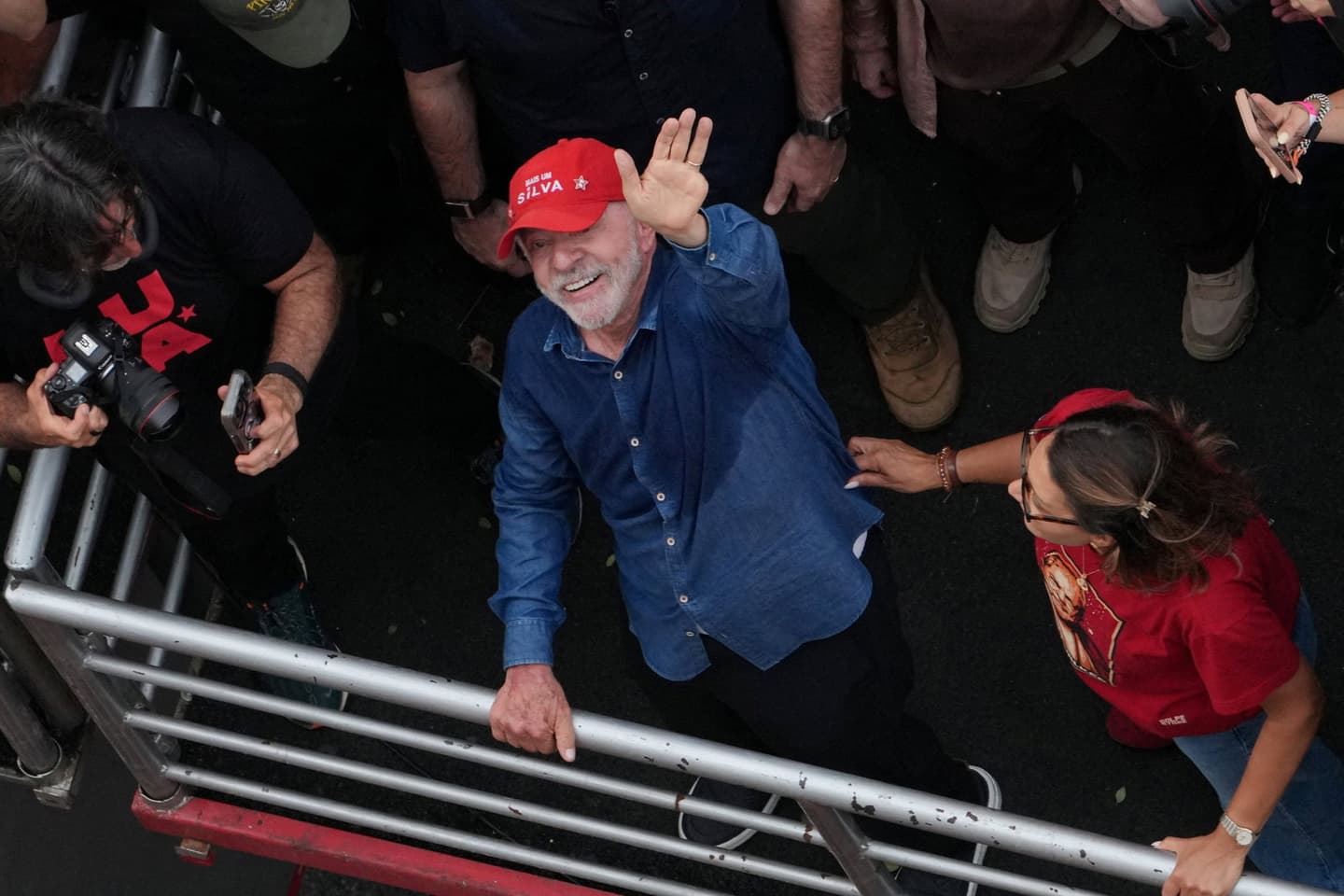
Alexandre Meneghini/Reuters
Source Analysis




What Happened
Key Implications
What Happened
Key Implications
Where Sources Agree
- arrows_inputLula Seeking Fourth Term: Most accounts emphasize that incumbent President Luiz Inácio Lula da Silva is seeking a fourth presidential term, building on his previous governance from 2003 to 2010, according to multiple reports.
- arrows_inputFirst Round Lead: Most sources document that Flávio Bolsonaro led the first round of the election by more than 2.2 million votes, capturing 47% of the vote to incumbent Luiz Inácio Lula da Silva's 45%, according to first-round tallies.
- arrows_inputRare Mineral Estimates: Reporting predominantly indicates that Brazil holds an estimated 21 million tons of rare mineral deposits, a volume second only to China, according to Brazilian government estimates.
Where Sources Disagree
- arrows_outputPresidential Race Projections: While many sources characterize the presidential runoff as a neck-and-neck race, other outlets report final polling data indicating a narrow lead for Senator Flávio Bolsonaro.
- arrows_outputPolling vs. Prediction Markets: Traditional polls generally depict the presidential runoff as a neck-and-neck race between incumbent Lula and challenger Flavio Bolsonaro. In contrast, prediction markets suggest a lopsided advantage for Bolsonaro, with some platforms assigning him an 80% or higher probability of victory.
Timeline
October 25, 2026
High stakes and international context: The runoff carried major stakes: Jair Bolsonaro was serving a lengthy sentence and Flávio Bolsonaro pledged to free him if elected, while U.S. ties—highlighted by President Trump’s public support and policies toward Brazil—figured prominently in campaign rhetoric and regional geopolitical implications.
October 25, 2026
Runoff voting day underway: On voting day (Oct. 25), nearly 160 million Brazilians were called to the polls; Bolsonaro voted early calling for 'real change' while Lula also cast his ballot, as rain threatened turnout and polling stations were scheduled to close at 5:00 p.m. Brasilia time with results expected within hours. Lula planned to watch results in São Paulo and Bolsonaro in Brasília.
October 24, 2026
Polls show neck‑and‑neck race: On the eve of the runoff (Oct. 24), multiple polls and trackers showed a razor‑thin contest, with some surveys giving Bolsonaro narrow leads (e.g., 51% to 49%) and others putting the pair effectively tied, underscoring the volatility heading into Sunday.
Perspectives and Debates
Is the runoff a level, too-close-to-call race, or does Flávio Bolsonaro hold a measurable advantage?
Summary by Ground AI
Sources
See All 441A varied selection of sources chosen by Ground to reflect the diversity of this story’s coverage.
Most Written About
The stories getting the most coverage from the last 24 hours


Source Analysis
Timeline
October 25, 2026
High stakes and international context: The runoff carried major stakes: Jair Bolsonaro was serving a lengthy sentence and Flávio Bolsonaro pledged to free him if elected, while U.S. ties—highlighted by President Trump’s public support and policies toward Brazil—figured prominently in campaign rhetoric and regional geopolitical implications.
October 25, 2026
Runoff voting day underway: On voting day (Oct. 25), nearly 160 million Brazilians were called to the polls; Bolsonaro voted early calling for 'real change' while Lula also cast his ballot, as rain threatened turnout and polling stations were scheduled to close at 5:00 p.m. Brasilia time with results expected within hours. Lula planned to watch results in São Paulo and Bolsonaro in Brasília.
October 24, 2026
Polls show neck‑and‑neck race: On the eve of the runoff (Oct. 24), multiple polls and trackers showed a razor‑thin contest, with some surveys giving Bolsonaro narrow leads (e.g., 51% to 49%) and others putting the pair effectively tied, underscoring the volatility heading into Sunday.


