EU and China Agree to Cap Chinese Hybrid Car Imports at 350,000
China
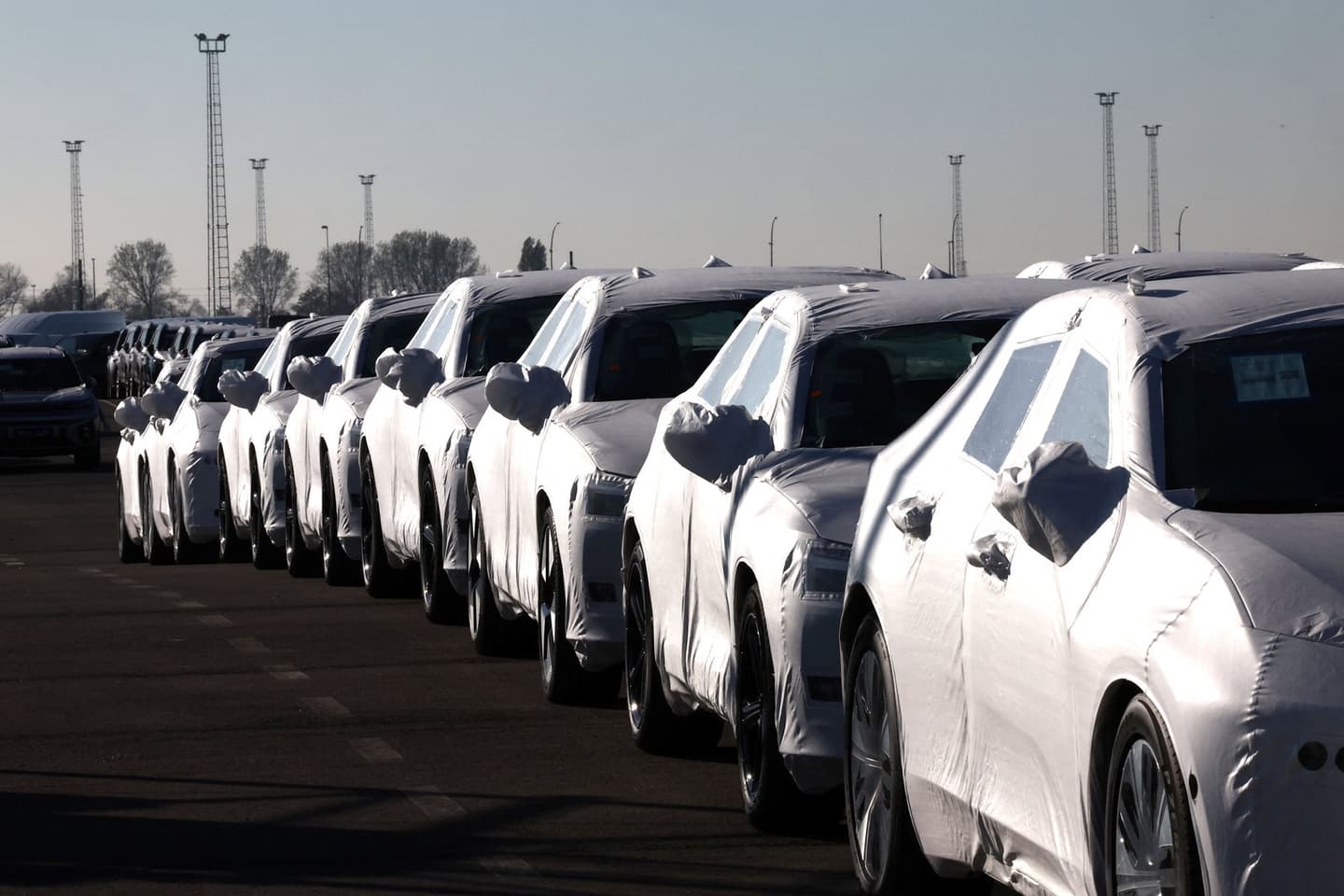
Yves Herman/Reuters




What Happened
What Happened
Where Sources Agree
- arrows_inputAnnual Hybrid Import Cap Parameters: Various sources indicate the European Union and China agreed to cap annual hybrid vehicle imports at 350,000 units starting December 1, with a 6% annual quota increase over the four-year agreement, according to EU trade commission and Bloomberg reports.
- arrows_inputHybrid Vehicle Import Cap: A subset of coverage notes that the European Union and China have agreed to cap annual imports of Chinese hybrid vehicles at 350,000 units starting December 1, a move designed to address the EU’s 360 billion euro trade deficit, according to reports from the European Commission and Chinese Ministry of Commerce.
- arrows_inputShift to Local Production: Multiple outlets emphasize that the new import quota incentivizes Chinese automakers to shift production locally, with major players BYD, Chery, and SAIC—responsible for 90% of hybrid sales—increasingly pursuing European manufacturing to meet expected 'Made in Europe' content requirements, according to industry analysis and automaker reports.
Where Sources Disagree
- arrows_outputHybrid Export Cap Impact: While EU officials characterize the new 350,000-vehicle import cap as a measure that will halve Chinese hybrid exports, the Chinese Ministry of Commerce describes the arrangement as a growth-oriented framework built upon 2025 trade levels to facilitate continued export expansion.
- arrows_outputTrade Agreement Framing: The European Union characterizes the new cap on Chinese hybrid vehicle imports as a unilateral safeguard measure, while Chinese officials describe the outcome as a bilateral, WTO-consistent understanding reached through consultations.
Timeline
October 15, 2026
Political Response and Trade Context: The agreement came ahead of an EU summit on October 15-16 and against the backdrop of a roughly €360 billion goods trade deficit with China in 2025, prompting debate among leaders and analysts about using trade instruments to rebalance ties and the EU's capacity to implement and enforce such measures. Political figures and think‑tank commentators framed the cap as a key step in a larger strategy to address China’s trade dominance.
October 9, 2026
China-EU Quota Understanding Reached: On October 9, 2026, China and the EU reached an understanding to substantially restrict Chinese hybrid car exports, centring on an annual quota of 350,000 Chinese hybrid and plug-in hybrid vehicles for 2027, with the cap set to increase roughly 6% each year thereafter. The arrangement represented Beijing accepting limits imposed by the EU rather than Beijing curbing its own exports unilaterally.
October 2026
Deal Spurs Local Production, Concessions: As part of the broader dynamics around the deal, Chinese automakers moved to accelerate local manufacturing in Europe—BYD preparing production in Hungary and exploring sites in France and Spain—while Beijing accepted limits on car exports and agreed to facilitate export licensing for rare earths and permanent magnets. These shifts reflected a trade-off by China to preserve broader market access.
Perspectives and Debates
Summary by Ground AI
Sources
See All 214A varied selection of sources chosen by Ground to reflect the diversity of this story’s coverage.
Most Written About
The stories getting the most coverage from the last 24 hours





Timeline
October 15, 2026
Political Response and Trade Context: The agreement came ahead of an EU summit on October 15-16 and against the backdrop of a roughly €360 billion goods trade deficit with China in 2025, prompting debate among leaders and analysts about using trade instruments to rebalance ties and the EU's capacity to implement and enforce such measures. Political figures and think‑tank commentators framed the cap as a key step in a larger strategy to address China’s trade dominance.
October 9, 2026
China-EU Quota Understanding Reached: On October 9, 2026, China and the EU reached an understanding to substantially restrict Chinese hybrid car exports, centring on an annual quota of 350,000 Chinese hybrid and plug-in hybrid vehicles for 2027, with the cap set to increase roughly 6% each year thereafter. The arrangement represented Beijing accepting limits imposed by the EU rather than Beijing curbing its own exports unilaterally.
October 2026
Deal Spurs Local Production, Concessions: As part of the broader dynamics around the deal, Chinese automakers moved to accelerate local manufacturing in Europe—BYD preparing production in Hungary and exploring sites in France and Spain—while Beijing accepted limits on car exports and agreed to facilitate export licensing for rare earths and permanent magnets. These shifts reflected a trade-off by China to preserve broader market access.


