IUCN Says 96% of Shallow-Water Coral Reefs Face Collapse Risk
Thailand
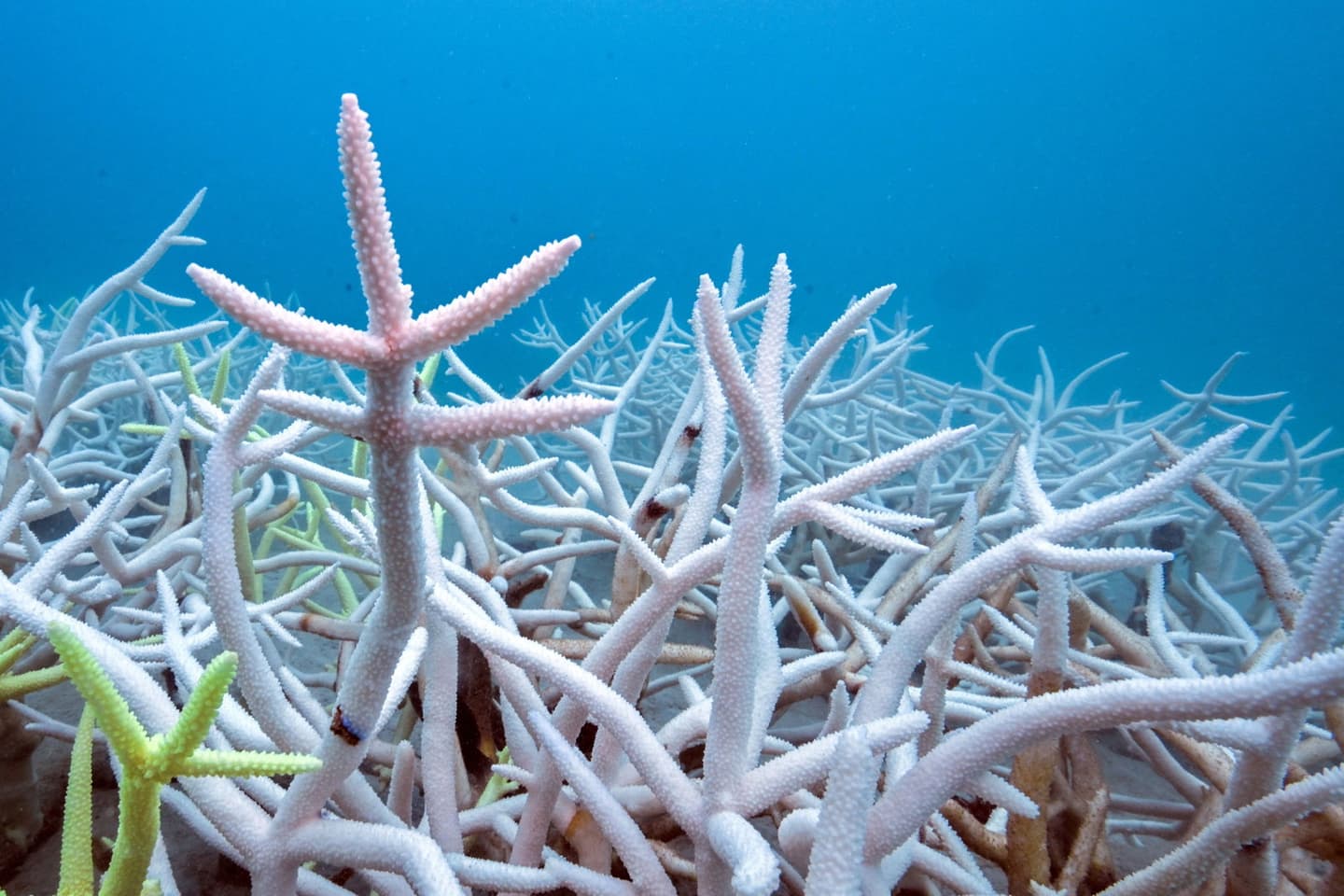
Napat Wesshasartar/Reuters
Source Analysis




What Happened
Key Implications
What Happened
Key Implications
Where Sources Agree
- arrows_inputGlobal Coral Reef Assessment: Various sources indicate that 96% of shallow-water coral reefs are currently classified as critically endangered; this first global assessment warns that these systems face an extremely high risk of collapse within 50 years, according to the IUCN.
- arrows_inputClimate Change as Primary Driver: Multiple sources report that heat stress from climate change acts as the single most consistent threat driving global coral reef decline, placing 96% of shallow-water reef ecosystems at high risk of collapse, according to IUCN analysis.
- arrows_inputStudy Methodology and Projections: Various reports document that the assessment examined 127 tropical and subtropical ecoregions; researchers utilized the "middle-of-the-road" scenario from the UN's climate experts, which projects global temperatures rising 2.7C above pre-industrial levels by 2100.
Where Sources Disagree
- arrows_outputContextualizing Coral Collapse Statistics: Some reports contextualize the finding that 96% of coral reefs face collapse by noting that only 24% would be classified as critically endangered if future climate projections were excluded. Conversely, other outlets report the 96% figure as a primary statistic without including this baseline comparison.
- arrows_output2024 Temperature Record Mention: While most reports on the new IUCN coral reef assessment focus on the projected risk of ecosystem collapse, some sources additionally note that 2024 was Earth's hottest year on record, whereas others omit this specific temperature context.
Timeline
October 22, 2026
Impacts and calls for action: Experts warned reef collapse would degrade biodiversity, fisheries, tourism and coastal protection, supporting about a quarter of marine species and hundreds of millions of people, and urged rapid emissions reductions, stronger protection, restoration, and investment in resilient coastal ecosystems. IUCN leaders and scientists emphasized urgent, coordinated conservation and climate action alongside research into restoration and heat-resilient coral interventions.
October 22, 2026
Recent heatwaves and bleaching surge: Scientists cited recent extreme ocean warming — with 2024 the hottest year on record and a prolonged period of bleaching-level heat stress from early 2023 to late 2025 that affected roughly 84% of reef area — as primary drivers of decline; a 2023 heat wave has already left some Florida corals functionally extinct. The assessment notes these recent events were incorporated into its analysis.
October 22, 2026
Reefs face collapse within 50 years: The assessment warns nearly all shallow-water reefs face an extremely high risk of ecosystem collapse within the next 50 years (by around 2075) under the IUCN’s scenarios; the analysis used the IPCC 'middle-of-the-road' scenario projecting roughly 2.7°C warming by 2100. The classification equates the future threat from projected warming with the highest risk category, Critically Endangered.
Summary by Ground AI
Sources
See All 178A varied selection of sources chosen by Ground to reflect the diversity of this story’s coverage.
Most Written About
The stories getting the most coverage from the last 24 hours



Source Analysis
Timeline
October 22, 2026
Impacts and calls for action: Experts warned reef collapse would degrade biodiversity, fisheries, tourism and coastal protection, supporting about a quarter of marine species and hundreds of millions of people, and urged rapid emissions reductions, stronger protection, restoration, and investment in resilient coastal ecosystems. IUCN leaders and scientists emphasized urgent, coordinated conservation and climate action alongside research into restoration and heat-resilient coral interventions.
October 22, 2026
Recent heatwaves and bleaching surge: Scientists cited recent extreme ocean warming — with 2024 the hottest year on record and a prolonged period of bleaching-level heat stress from early 2023 to late 2025 that affected roughly 84% of reef area — as primary drivers of decline; a 2023 heat wave has already left some Florida corals functionally extinct. The assessment notes these recent events were incorporated into its analysis.
October 22, 2026
Reefs face collapse within 50 years: The assessment warns nearly all shallow-water reefs face an extremely high risk of ecosystem collapse within the next 50 years (by around 2075) under the IUCN’s scenarios; the analysis used the IPCC 'middle-of-the-road' scenario projecting roughly 2.7°C warming by 2100. The classification equates the future threat from projected warming with the highest risk category, Critically Endangered.


