U.S. Treasury Proposes Outbound Investment Curbs on AI, Biotech in China
United States
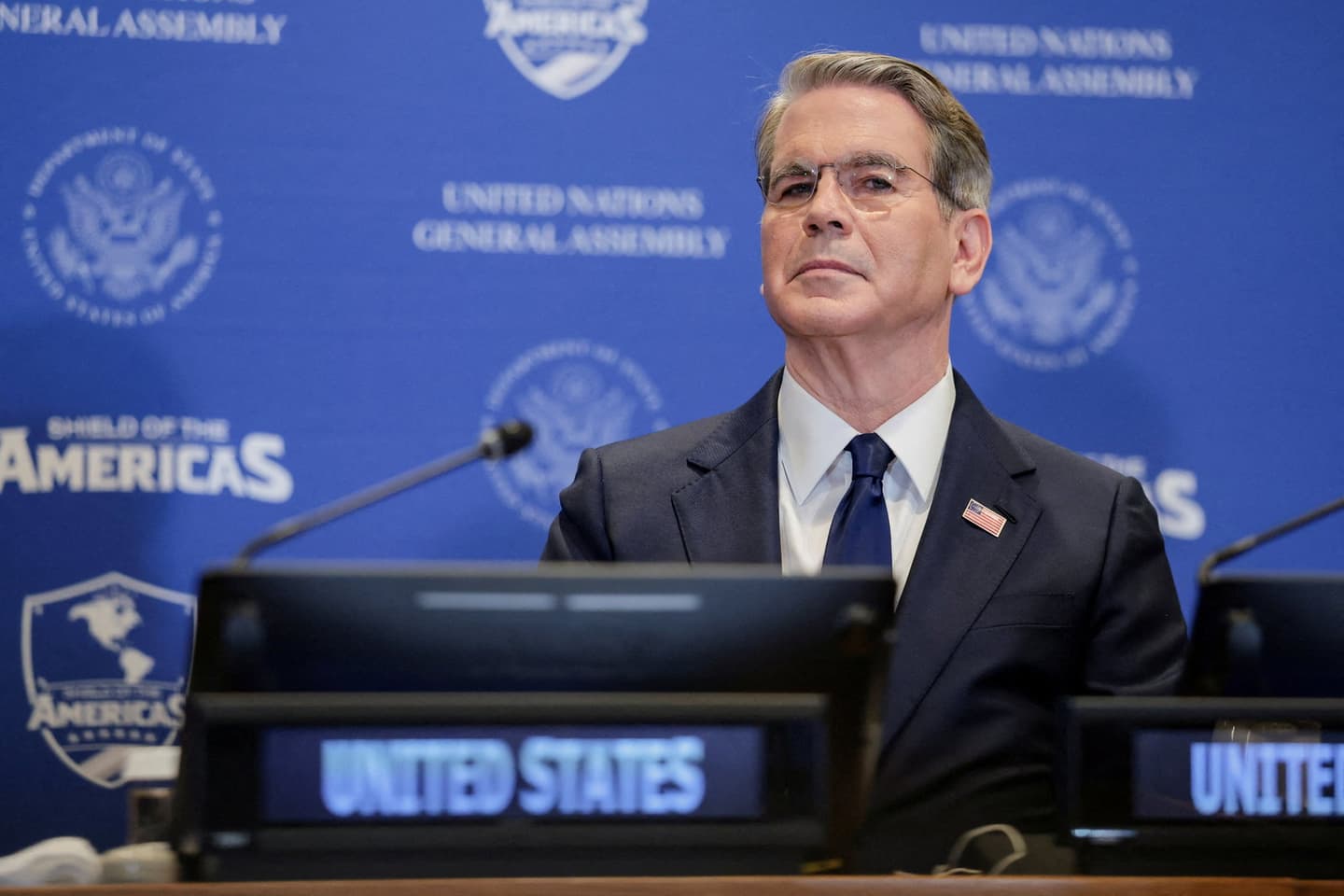
Kylie Cooper/Reuters




What Happened
What Happened
Where Sources Agree
- arrows_inputNew Investment Rules Proposed: Outlets generally confirm the Treasury Department has proposed new rules mandated by the 2025 COINS Act to restrict outbound investments in sensitive technologies, with the regulations applying to transactions exceeding $50,000 and remaining open for public comment until December 7.
- arrows_inputVenezuela Excluded from Restrictions: Several outlets confirm the Treasury Department excluded Venezuela from its proposed outbound investment restrictions, stating the Maduro government no longer exists following the former president's capture in January, according to Treasury Department statements.
- arrows_inputBiotechnology Sector Inclusion: Some coverage highlights the addition of biotechnology to restricted investment sectors as a measure that does not expressly prohibit licensing deals, according to Treasury officials and industry analysts.
Where Sources Disagree
- arrows_outputBiotech Investment Scope: Some reports suggest the proposed Treasury rules would prohibit financial transactions with Chinese biotech companies. However, other sources clarify that licensing deals are not expressly prohibited under the proposed regulations.
- arrows_outputTerminology Variation: 'Superintelligence': While most reports refer to the Treasury's proposed rules regarding 'artificial intelligence,' some outlets note that officials specifically utilized President Trump's preferred terminology, 'superintelligence,' within the regulatory language.
Timeline
October 23, 2026
Responses, Scope, Next Steps: The proposal prompted international and domestic reactions — Treasury clarified exclusions (e.g., Venezuela removed from the list after Maduro’s capture), officials defended national security aims, and China criticized the move; Treasury will hear public comments before issuing a final rule and officials signaled enforcement and compliance changes ahead.
October 22, 2026
Treasury Proposes New Rule: On Oct. 22, 2026, the U.S. Treasury issued a Notice of Proposed Rulemaking to expand the Outbound Investment Security Program, adding biotechnology to covered sectors and proposing bans or notifications for investments (notably banning AI investments) in China, Russia, North Korea, Iran and Cuba while excluding certain transactions under $50,000. The proposal opens a public comment period through Dec. 7 and seeks to implement the COINS Act.
July 1, 2026
Treasury Issues Fine For Nonreporting: In July, the Treasury Department fined a U.S.-based company $200,000 for failing to report a $92,500 investment in a Chinese AI and robotics company by one of its subsidiaries, illustrating enforcement of reporting requirements.
Perspectives and Debates
What is the primary significance of the Treasury's proposed outbound-investment restrictions?
Summary by Ground AI
Sources
See All 124A varied selection of sources chosen by Ground to reflect the diversity of this story’s coverage.
Most Written About
The stories getting the most coverage from the last 24 hours







Timeline
October 23, 2026
Responses, Scope, Next Steps: The proposal prompted international and domestic reactions — Treasury clarified exclusions (e.g., Venezuela removed from the list after Maduro’s capture), officials defended national security aims, and China criticized the move; Treasury will hear public comments before issuing a final rule and officials signaled enforcement and compliance changes ahead.
October 22, 2026
Treasury Proposes New Rule: On Oct. 22, 2026, the U.S. Treasury issued a Notice of Proposed Rulemaking to expand the Outbound Investment Security Program, adding biotechnology to covered sectors and proposing bans or notifications for investments (notably banning AI investments) in China, Russia, North Korea, Iran and Cuba while excluding certain transactions under $50,000. The proposal opens a public comment period through Dec. 7 and seeks to implement the COINS Act.
July 1, 2026
Treasury Issues Fine For Nonreporting: In July, the Treasury Department fined a U.S.-based company $200,000 for failing to report a $92,500 investment in a Chinese AI and robotics company by one of its subsidiaries, illustrating enforcement of reporting requirements.


