COP31 Opens in Turkey With Electrification, Finance and AI on Agenda
Antalya, Turkey
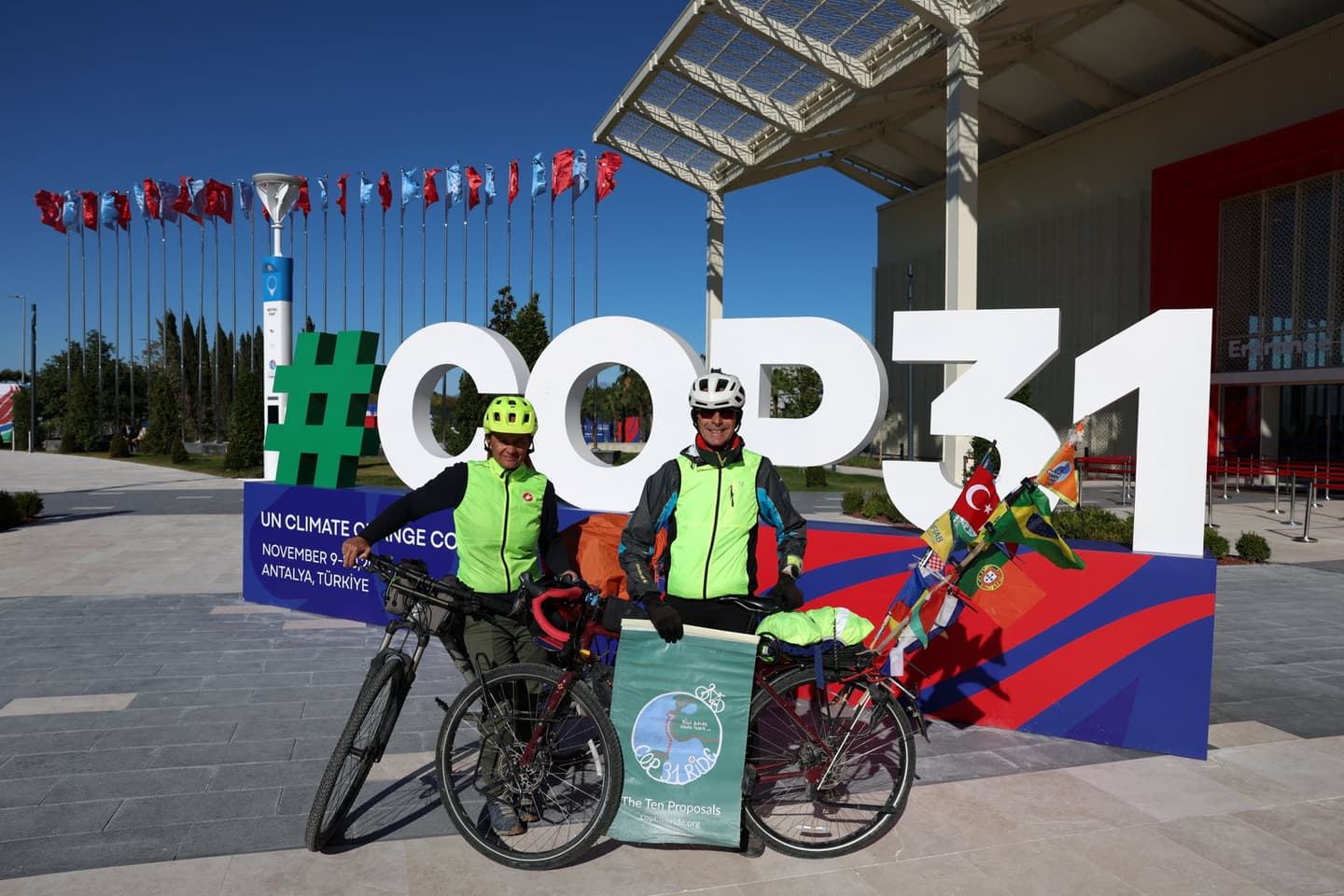
Murad Sezer/Reuters




What Happened
What Happened
Where Sources Disagree
- arrows_outputElectrification Pledge Climate Impact: Turkey’s COP31 electrification pledge aims to increase electricity's share of global energy consumption to 35% by 2035, which supporters argue will accelerate the shift to renewable energy. In contrast, climate advocates criticize the initiative, noting it lacks requirements for the additional power to be generated from low-carbon sources.
- arrows_outputClimate Finance Commitments: Developing nations and climate advocates are pushing for increased climate finance to meet historical obligations and urgent adaptation needs. Conversely, officials from wealthy nations, including the European Union, report a lack of political will to provide additional funding for these climate commitments.
Timeline
November 9, 2026
Electrification vs. Finance Tensions: COP31 put an 'electrification' centrepiece forward — a drive to raise electricity’s share of global energy demand toward 35% by 2035 — but delegates warned the pledge could spark friction because it does not require the additional electricity to be low‑carbon, while developing nations pressed for more climate finance and tripled adaptation funding. The summit also emphasised that outdated grids remain a major bottleneck to scaling renewables.
November 9, 2026
COP31 Opens in Antalya: The 31st UN climate conference opened in Antalya, Türkiye, on November 9, 2026 (Nov. 9–20), with nearly 200 countries attending under a joint presidency (Turkey hosting, Australia leading negotiations); the opening was marked by an early fight over money, a delayed ceremony and the notable absence of an official U.S. delegation. Leaders urged accelerated climate action amid competing global crises.
October 21, 2026
Severe 2026 Warming Signals: Reports in October and September 2026 highlighted record heat and a bleak emissions outlook — October 2026 was the hottest October on record and the UN warned global temperatures were on course to exceed 1.5°C, while 2026 saw extreme heatwaves and a Nepal glacier collapse that caused catastrophic floods. These scientific and climate-impact findings set urgent context for the summit.
Summary by Ground AI
Sources
See All 362A varied selection of sources chosen by Ground to reflect the diversity of this story’s coverage.
Most Written About
The stories getting the most coverage from the last 24 hours


Timeline
November 9, 2026
Electrification vs. Finance Tensions: COP31 put an 'electrification' centrepiece forward — a drive to raise electricity’s share of global energy demand toward 35% by 2035 — but delegates warned the pledge could spark friction because it does not require the additional electricity to be low‑carbon, while developing nations pressed for more climate finance and tripled adaptation funding. The summit also emphasised that outdated grids remain a major bottleneck to scaling renewables.
November 9, 2026
COP31 Opens in Antalya: The 31st UN climate conference opened in Antalya, Türkiye, on November 9, 2026 (Nov. 9–20), with nearly 200 countries attending under a joint presidency (Turkey hosting, Australia leading negotiations); the opening was marked by an early fight over money, a delayed ceremony and the notable absence of an official U.S. delegation. Leaders urged accelerated climate action amid competing global crises.
October 21, 2026
Severe 2026 Warming Signals: Reports in October and September 2026 highlighted record heat and a bleak emissions outlook — October 2026 was the hottest October on record and the UN warned global temperatures were on course to exceed 1.5°C, while 2026 saw extreme heatwaves and a Nepal glacier collapse that caused catastrophic floods. These scientific and climate-impact findings set urgent context for the summit.


