U.S. Retailers Expand AI Pricing Tools as Regulators Scrutinize Data Use
United States
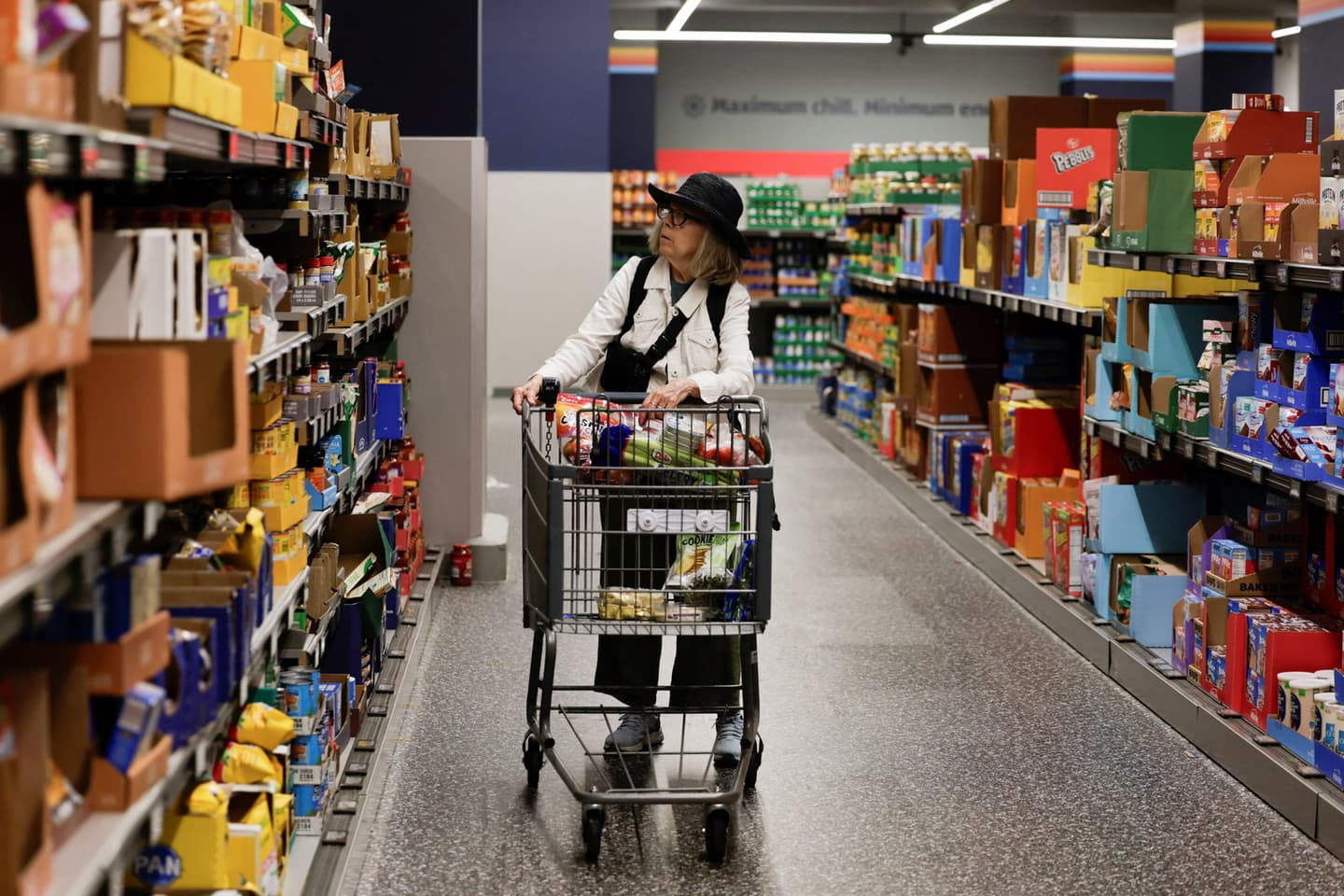
Jeenah Moon/Reuters
Source Analysis




What Happened
What Happened
Where Left Sources Focus
- Regulatory and Legislative Action: Legislators and regulators are actively pursuing pricing bills and enforcement policies to curb potential abuse. Progressive outlets highlight that lawmakers in 30 states have considered pricing legislation, while the FTC has proposed an enforcement policy warning businesses that failing to disclose the use of personal data for individualized pricing may violate consumer protection laws.
- Consumer Advocacy Concerns: Consumer advocates warn that the rapid adoption of digital shelf labels enables potential surge and personalized pricing. Left sources emphasize that these digital displays allow stores to update prices electronically, raising concerns that retailers could eventually use data-driven algorithms to charge customers differently based on demand or individual profiles.
Where Center Sources Focus
- Corporate Defense Rebuttals: Center-leaning outlets detail corporate rebuttals to pricing concerns, citing Walmart's CEO, who stated digital labels save worker time and are not used for facial scanning or personal pricing. Analysts emphasize that retailers prioritize price consistency and rarely implement the kind of dynamic surge pricing seen in rideshare apps.
- Operational and Market Context: Coverage highlights that algorithmic pricing is primarily used for inventory management and market intelligence rather than price discrimination. Reports cite data showing that 41% of businesses use AI to gather competitor pricing, noting that recorded price changes frequently involve decreases rather than the price hikes consumers fear.
What's Largely Absent from Each Side
- Left sources rarely mention: Left sources rarely mention empirical evidence from retail analysts indicating that surge pricing is exceedingly rare in brick-and-mortar stores. Center outlets extensively feature data from Decodo and Relex Solutions suggesting that digital labels are primarily used for operational efficiency rather than price gouging or real-time dynamic adjustments.
- Center sources rarely mention: Center coverage largely omits the systemic scale of intermediary influence, specifically details from an FTC staff report identifying pricing tools used by at least 250 clients. Left outlets highlight this proliferation to show that AI-assisted pricing is a widespread industry practice rather than an isolated corporate experiment.
Rare Agreement
- Digital Label Adoption: Despite divergent coverage patterns, sources across the political spectrum agree that digital shelf labels are rapidly replacing traditional paper tags at major retailers like Walmart and Whole Foods to modernize aisle management.
Timeline
October 18, 2026
Regulators and public pushback escalate: Lawmakers in at least 30 states considered pricing bills this year and the FTC proposed an enforcement policy warning that undisclosed use of personal data for individualized pricing could violate consumer protection law, amid consumer confusion and investigations (e.g., Instacart) and social‑media fears about surveillance pricing. Experts and advocates raised concerns about transparency and who controls pricing algorithms.
September 1, 2026
Retailers roll out digital labels: Digital electronic shelf labels have been rapidly replacing paper tags and are being adopted by major U.S. retailers like Walmart and Whole Foods; Walmart's CEO said the labels save workers time and aren't used to raise prices based on weather, time of day or individual shoppers. At the same time, surveys show widespread industry use of AI for market intelligence and real‑time price optimization.
January 1, 2025
FTC staff report and 2025 price tracking: An FTC staff report released in January 2025 found intermediaries offering tailored pricing and promotion tools worked with at least 250 clients, while Decodo tracked price changes across 2025 and found about half of U.S. price changes were decreases, challenging assumptions that algorithmic pricing only raises prices. These findings highlighted the growing role of third-party pricing tools in grocery and apparel retail.
Summary by Ground AI
Sources
See All 65A varied selection of sources chosen by Ground to reflect the diversity of this story’s coverage.
Most Written About
The stories getting the most coverage from the last 24 hours




Source Analysis
Timeline
October 18, 2026
Regulators and public pushback escalate: Lawmakers in at least 30 states considered pricing bills this year and the FTC proposed an enforcement policy warning that undisclosed use of personal data for individualized pricing could violate consumer protection law, amid consumer confusion and investigations (e.g., Instacart) and social‑media fears about surveillance pricing. Experts and advocates raised concerns about transparency and who controls pricing algorithms.
September 1, 2026
Retailers roll out digital labels: Digital electronic shelf labels have been rapidly replacing paper tags and are being adopted by major U.S. retailers like Walmart and Whole Foods; Walmart's CEO said the labels save workers time and aren't used to raise prices based on weather, time of day or individual shoppers. At the same time, surveys show widespread industry use of AI for market intelligence and real‑time price optimization.
January 1, 2025
FTC staff report and 2025 price tracking: An FTC staff report released in January 2025 found intermediaries offering tailored pricing and promotion tools worked with at least 250 clients, while Decodo tracked price changes across 2025 and found about half of U.S. price changes were decreases, challenging assumptions that algorithmic pricing only raises prices. These findings highlighted the growing role of third-party pricing tools in grocery and apparel retail.


