EU Caps Chinese Hybrid Imports at 350,000 a Year
China
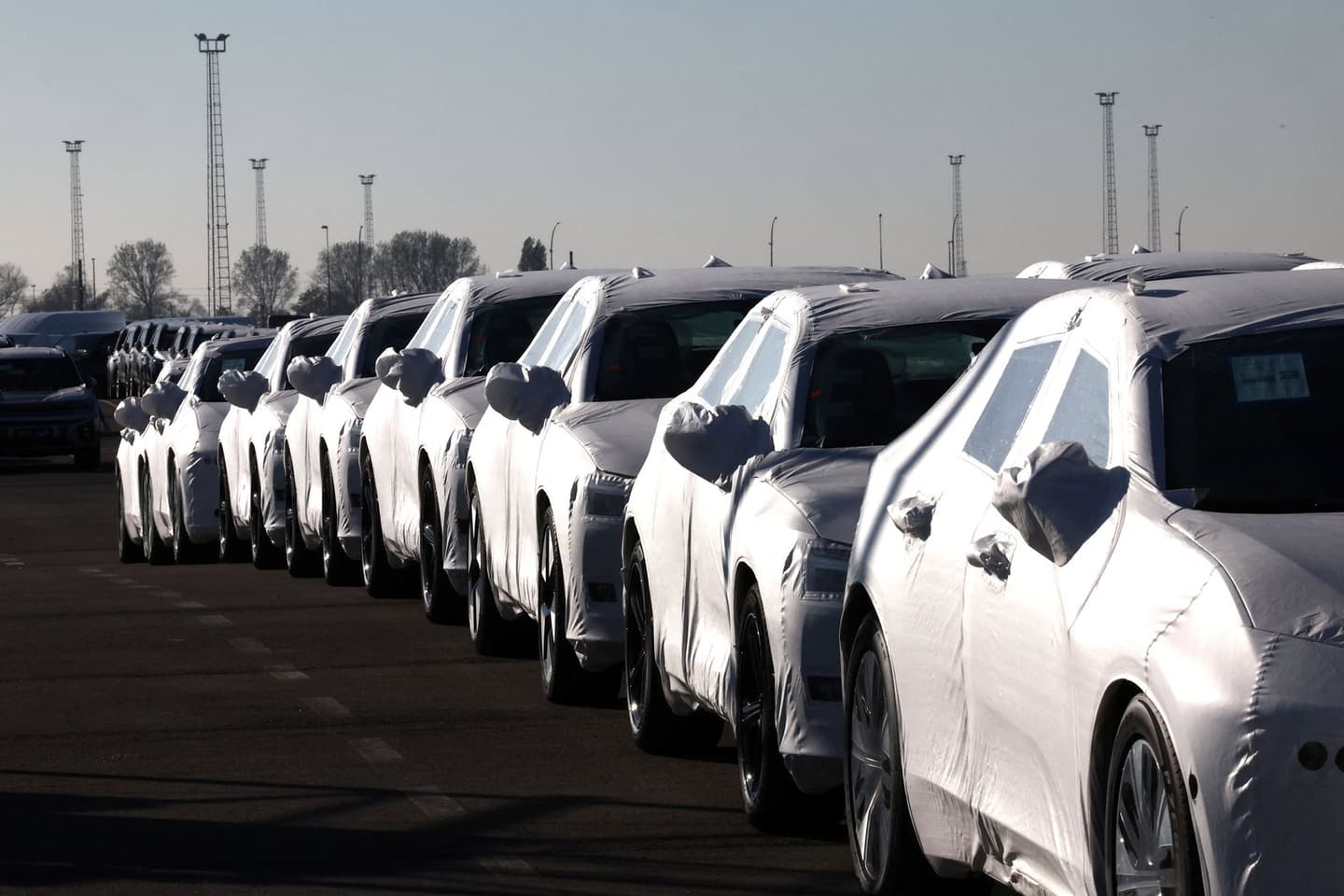
Yves Herman/Reuters
Source Analysis




What Happened
What Happened
Where Sources Agree
- arrows_inputEU Hybrid Import Cap: Some coverage highlights the EU's new 350,000-vehicle annual import cap on Chinese hybrids as a safeguard measure effective December 1, which includes a 6% annual increase over a four-year period, according to a document seen by Bloomberg.
- arrows_inputEU Hybrid Import Cap: A portion of reporting indicates the European Union will cap Chinese hybrid vehicle imports at 350,000 units annually starting December 1, utilizing a safeguard measure intended to address the bloc's trade deficit and protect domestic industry, according to official sources.
Where Sources Disagree
- arrows_outputDisputed Hybrid Export Cap: The European Union claims Beijing agreed to a 350,000-vehicle annual cap on hybrid exports, effectively halving current levels. However, China’s official readout omits specific volumes or timelines, stating only that the parties reached an understanding on trade in a WTO-consistent manner.
- arrows_outputHybrid Import Baseline Dispute: The European Union reports a hard cap of 350,000 Chinese hybrid imports annually. In contrast, China characterizes the agreement as a flexible arrangement tied to 2025 export figures rather than a static volume limit.
Timeline
December 1, 2026 Upcoming
Implementation Window And Details: Bloomberg reported the safeguard could take effect as soon as December 1, 2026, while the formal cap is planned to apply from 2027 for four years — starting at 350,000 units per year and rising about 6% annually thereafter — with some exemptions for certain markets. Reporting noted open questions about enforcement mechanisms and exemptions for specified partners.
October 12, 2026
EU-China Paris Agreement Announced: At the Paris auto show reporting in mid‑October 2026, EU and Chinese officials announced a deal to limit Chinese hybrid and plug‑in hybrid exports to the bloc, with documents seen by Bloomberg indicating a cap of 350,000 cars per year and officials saying the move would cut exports to the EU by more than half. The announcement included trade concessions and was framed as a de‑escalation of broader tensions.
August 1, 2026
Rapid 2026 Hybrid Surge: By 2026 Chinese automakers had sharply increased shipments and market share in Europe — exports were worth about $7.5 billion in the first half of 2026 and officials warned annual shipments could reach as many as 800,000 units. Hybrid and plug-in hybrid models became a primary route into the EU market, driving large import growth through mid‑2026.
Perspectives and Debates
Summary by Ground AI
Sources
See All 147A varied selection of sources chosen by Ground to reflect the diversity of this story’s coverage.
Most Written About
The stories getting the most coverage from the last 24 hours





Source Analysis
Timeline
December 1, 2026 Upcoming
Implementation Window And Details: Bloomberg reported the safeguard could take effect as soon as December 1, 2026, while the formal cap is planned to apply from 2027 for four years — starting at 350,000 units per year and rising about 6% annually thereafter — with some exemptions for certain markets. Reporting noted open questions about enforcement mechanisms and exemptions for specified partners.
October 12, 2026
EU-China Paris Agreement Announced: At the Paris auto show reporting in mid‑October 2026, EU and Chinese officials announced a deal to limit Chinese hybrid and plug‑in hybrid exports to the bloc, with documents seen by Bloomberg indicating a cap of 350,000 cars per year and officials saying the move would cut exports to the EU by more than half. The announcement included trade concessions and was framed as a de‑escalation of broader tensions.
August 1, 2026
Rapid 2026 Hybrid Surge: By 2026 Chinese automakers had sharply increased shipments and market share in Europe — exports were worth about $7.5 billion in the first half of 2026 and officials warned annual shipments could reach as many as 800,000 units. Hybrid and plug-in hybrid models became a primary route into the EU market, driving large import growth through mid‑2026.


