Ancient Chilean Mummies Yield Oldest Smallpox DNA in the Americas
Chile
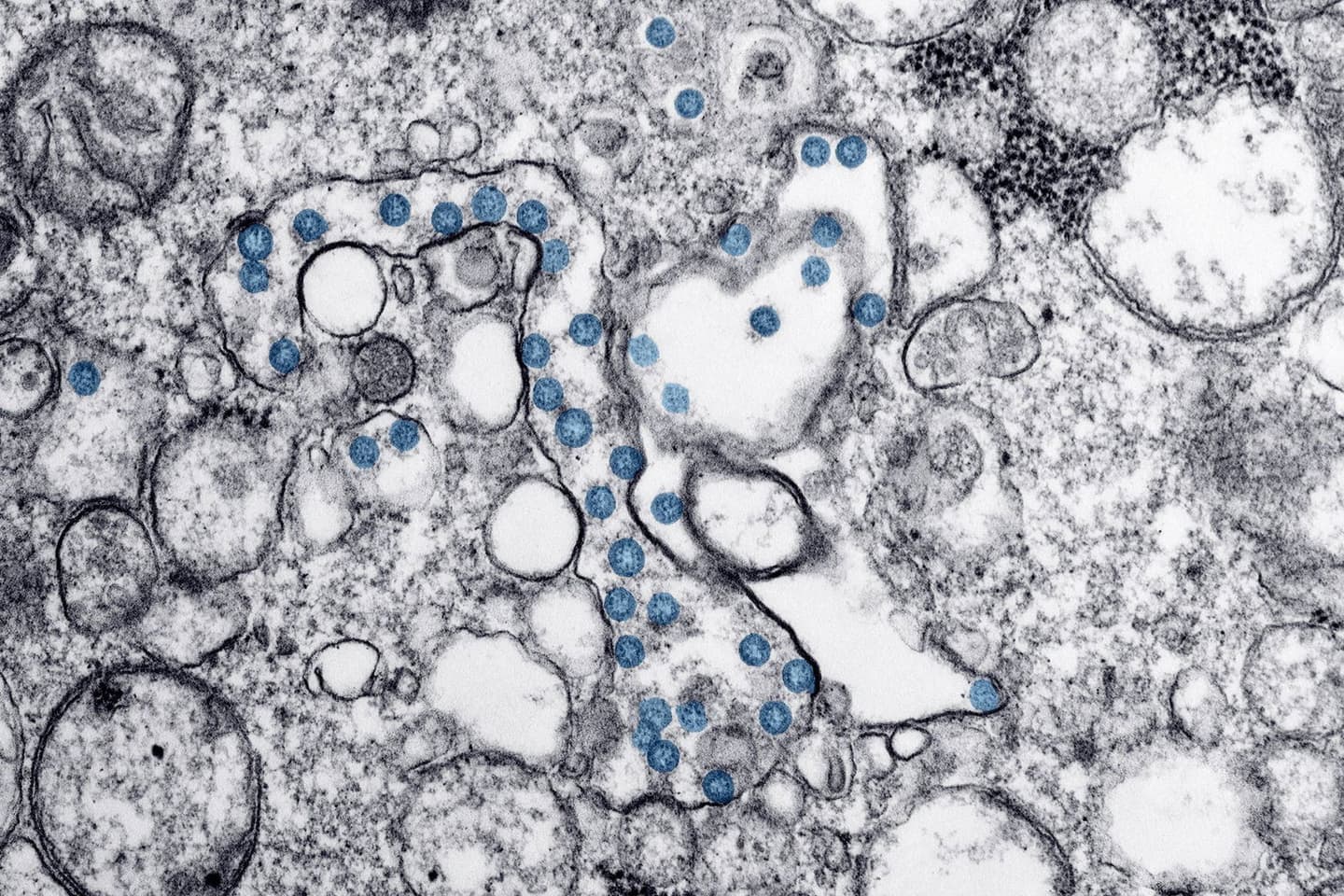
CDC/Pexels
Source Analysis




What Happened
Key Implications
What Happened
Key Implications
Where Sources Agree
- arrows_inputAncient Smallpox DNA Identified: All outlets cite the recovery of ancient viral DNA from two mummies at the Camarones 9 archaeological site, according to the journal Science.
- arrows_inputAncient Smallpox Lineage Identified: Coverage documents the recovery of ancient smallpox DNA from 16th-century Chilean mummies, identifying a now-extinct viral lineage that served as an evolutionary bridge between medieval and modern strains, according to genetic analysis.
- arrows_inputDevastating Impact on Indigenous Populations: Sources across outlets confirm that the introduction of smallpox to the Americas triggered a cataclysmic population collapse, with estimated death rates reaching 90% among Indigenous groups who lacked natural immunity, according to historical records.
Where Sources Disagree
- arrows_outputStudy Publication Journal: While multiple outlets report the study was published in the journal Science, one source cites Science Advances as the publication venue.
- arrows_outputSmallpox Transmission Origins: While research generally attributes the introduction of smallpox to the Americas to European colonization, some reporting notes the possibility that the virus may have alternatively spread through Africa as part of the expansion of the slave trade.
Timeline
July 30, 2026
Genome links show European origin: Genomic analysis placed the recovered variola genomes in a now-extinct lineage that fits evolutionarily between medieval European strains and later variants, providing molecular evidence that smallpox in the Americas derived from Old World European lineages and revealing changes in the virus's evolutionary pace.
July 30, 2026
Smallpox DNA found in Chile mummies: Researchers screening 13 bone samples from the Camarones 9 archaeological site in northern Chile unexpectedly recovered ancient variola (smallpox) DNA from leg bone fragments of two naturally mummified individuals. The discovery was reported in a study published and covered on July 30, 2026.
1492
European contact introduces disease: Historical records and scholarship link the arrival of Europeans (beginning with Columbus in 1492) to the introduction and rapid spread of smallpox and other Old World infectious diseases in the Americas. These outbreaks are credited with devastating Indigenous populations and aiding European conquest.
Summaries by Ground AI
Sources
See All 65Most Written About
The stories getting the most coverage from the last 24 hours


Source Analysis
Timeline
July 30, 2026
Genome links show European origin: Genomic analysis placed the recovered variola genomes in a now-extinct lineage that fits evolutionarily between medieval European strains and later variants, providing molecular evidence that smallpox in the Americas derived from Old World European lineages and revealing changes in the virus's evolutionary pace.
July 30, 2026
Smallpox DNA found in Chile mummies: Researchers screening 13 bone samples from the Camarones 9 archaeological site in northern Chile unexpectedly recovered ancient variola (smallpox) DNA from leg bone fragments of two naturally mummified individuals. The discovery was reported in a study published and covered on July 30, 2026.
1492
European contact introduces disease: Historical records and scholarship link the arrival of Europeans (beginning with Columbus in 1492) to the introduction and rapid spread of smallpox and other Old World infectious diseases in the Americas. These outbreaks are credited with devastating Indigenous populations and aiding European conquest.


