Congress Report Says U.S. Scam Response Is Fragmented as Losses Hit $18 Billion
United States
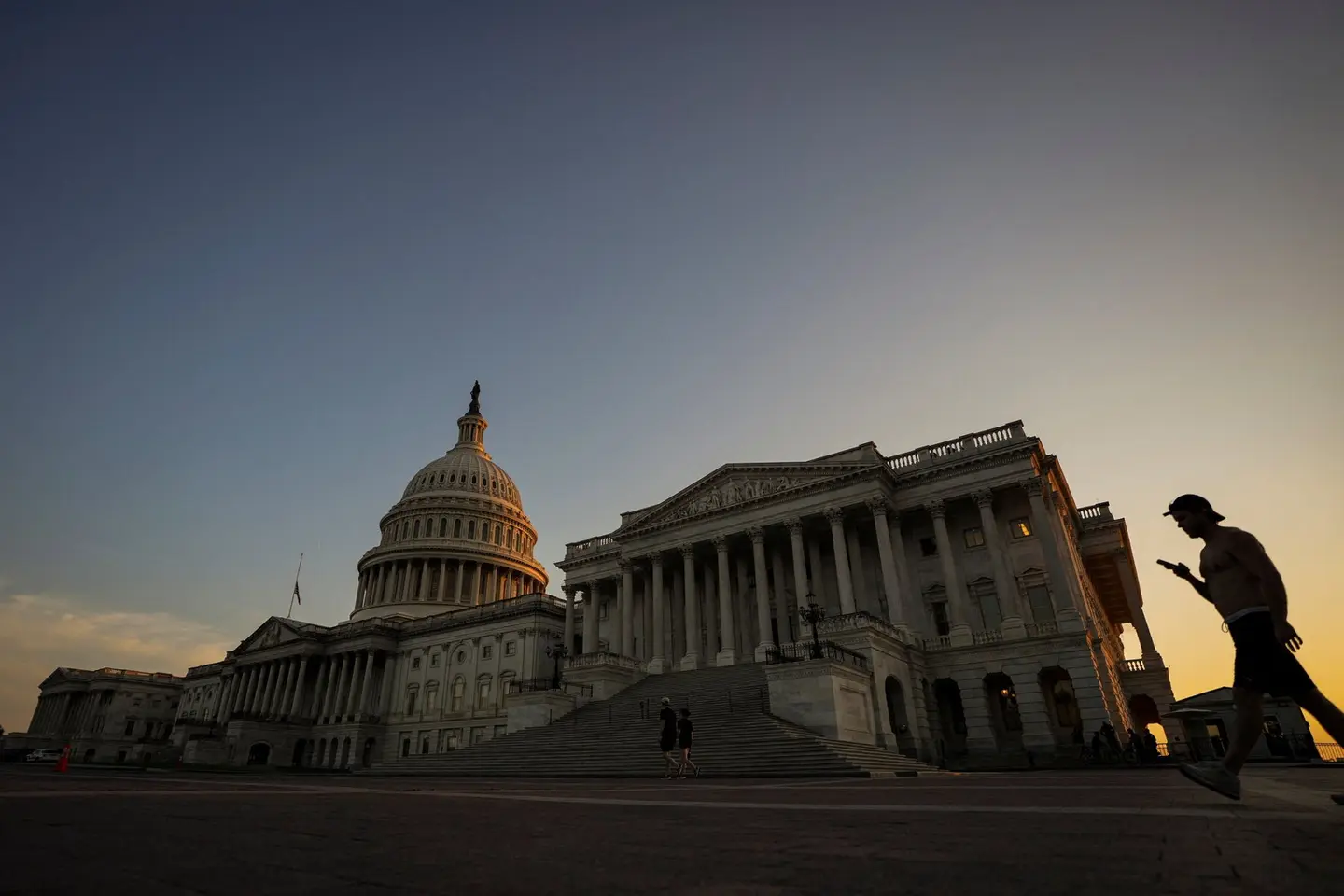
AL DRAGO/Reuters
Source Analysis




What Happened
What Happened
Where Sources Agree
- arrows_inputFragmented U.S. Scam Response: Sources across outlets confirm that the U.S. government’s response to the surging threat of cyber scams remains fragmented and voluntary, according to a Joint Economic Committee report released October 27.
- arrows_inputScale of Cyberfraud Losses: Reports consistently note that Americans reported cyberfraud losses of nearly $18 billion last year, with total damages equating to more than $2 million per hour, according to FBI data.
- arrows_inputUnified Accounting Lacking: Sources align on the government's lack of a unified accounting for funds seized from overseas scam compounds, noting significant uncertainty regarding the total amount returned to victims, according to a Joint Economic Committee report.
Where Sources Disagree
- arrows_outputFBI Cyberfraud Recovery Reporting: While some outlets report that the FBI returned $336 million to scam victims in 2025, others omit this specific recovery figure when summarizing the government's response to cyberfraud.
Timeline
October 27, 2026
Congressional report demands reform: A report released by ranking Democrats (Sen. Maggie Hassan and Rep. Don Beyer) on October 27, 2026, found the U.S. response fragmented, lacking a unified accounting of money seized from overseas scam compounds and urged Congress to pass legislation for a unified federal strategy and a central victims' reporting/help center; it also highlighted Bangladesh as an emerging hub and noted State Department cutbacks that eliminated at least one anti-scam program.
2025
Government returns and seizures noted: Agencies reported sizable recoveries: the FTC returned $1.83 billion to fraud victims in fiscal 2025, the FBI returned $336 million in 2025, and the U.S. Secret Service returned more than $770 million in seized assets across fiscal 2024–2025, though officials said funds came from diverse schemes and accounting was incomplete.
2025
Massive 2025 cyberfraud losses: Americans reported nearly $18 billion in cyberfraud losses in the prior year—about $2 million lost every hour—according to FBI data cited in reporting. Many victims never reported the crimes, so the figure likely understates the full harm.
Summary by Ground AI
Sources
See All 43A varied selection of sources chosen by Ground to reflect the diversity of this story’s coverage.
Most Written About
The stories getting the most coverage from the last 24 hours





Source Analysis
Timeline
October 27, 2026
Congressional report demands reform: A report released by ranking Democrats (Sen. Maggie Hassan and Rep. Don Beyer) on October 27, 2026, found the U.S. response fragmented, lacking a unified accounting of money seized from overseas scam compounds and urged Congress to pass legislation for a unified federal strategy and a central victims' reporting/help center; it also highlighted Bangladesh as an emerging hub and noted State Department cutbacks that eliminated at least one anti-scam program.
2025
Government returns and seizures noted: Agencies reported sizable recoveries: the FTC returned $1.83 billion to fraud victims in fiscal 2025, the FBI returned $336 million in 2025, and the U.S. Secret Service returned more than $770 million in seized assets across fiscal 2024–2025, though officials said funds came from diverse schemes and accounting was incomplete.
2025
Massive 2025 cyberfraud losses: Americans reported nearly $18 billion in cyberfraud losses in the prior year—about $2 million lost every hour—according to FBI data cited in reporting. Many victims never reported the crimes, so the figure likely understates the full harm.


