China Injects $54 Billion Into State Banks and Insurers
China
Go Nakamura/Reuters
Source Analysis




What Happened
What Happened
Where Right Sources Focus
- Financial Stability and Risk: Right-leaning outlets emphasize the injection as a strategic measure to bolster the financial sector's ability to serve the real economy, citing corporate statements that highlight strengthened risk resistance and capital bases capable of withstanding global financial uncertainty.
- Specific Capital Allocation Details: Conservative media provide detailed breakdowns of the funding, noting specific amounts allocated to institutions like China Life Insurance and Agricultural Bank of China, supported by data from corporate regulatory filings and bank announcements.
Where Left Sources Focus
- Economic Growth Challenges: Left and center sources contextualize the stimulus as a response to slowing GDP growth, property sector downturns, and weak domestic demand, citing economic notes from Goldman Sachs and official GDP figures to explain the broader rationale.
- Stimulus Effectiveness Skepticism: Progressive outlets feature analysts who question if these measures address deep-seated structural problems or merely rehash existing policies, noting that some investors remain wary of potential earnings dilution despite the capital boost.
What's Largely Absent from Each Side
- Right sources rarely mention: Right-leaning sources rarely mention broader critiques regarding China's underlying structural economic problems, with left-leaning outlets instead highlighting analyst warnings that a focus on stability may threaten long-term growth and fail to address fundamental issues.
- Left sources rarely mention: Left and center coverage largely omits specific, bank-by-bank funding amounts provided in the announcement, details which right-leaning outlets feature prominently alongside private placement mechanics and specific recipient institutions.
Rare Agreement
- Recapitalization Mechanism Details: Sources across the spectrum agree that the Ministry of Finance is leading the capital injection, utilizing special treasury bonds to recapitalize five insurers and three state lenders to replenish core Tier 1 capital.
Timeline
September 07, 2026
Policy, Market Reaction And Bonds: By Sept. 7, Reuters and analysts noted the package would be funded in part by 300 billion yuan in special treasury bonds — the first use of special bonds to support insurers — and that the measures should ease solvency pressures though insurance stocks fell on dilution concerns. Analysts said the injections would boost insurers' ability to invest long term and strengthen banks' capacity to support the real economy.
September 06, 2026
Recipients And Amounts Detailed: The announcement specified beneficiaries and sums: insurers receive a combined 70 billion yuan (China Life 35bn, China Taiping 7bn, PICC raise up to 15bn, China Export & Credit Insurance 10bn, China Re 3bn) while banks take the bulk (about 290bn yuan), including Agricultural Bank up to 160bn, ICBC up to 100bn and Export‑Import Bank 30bn. The proceeds were said to be used largely to replenish core Tier 1 capital.
September 06, 2026
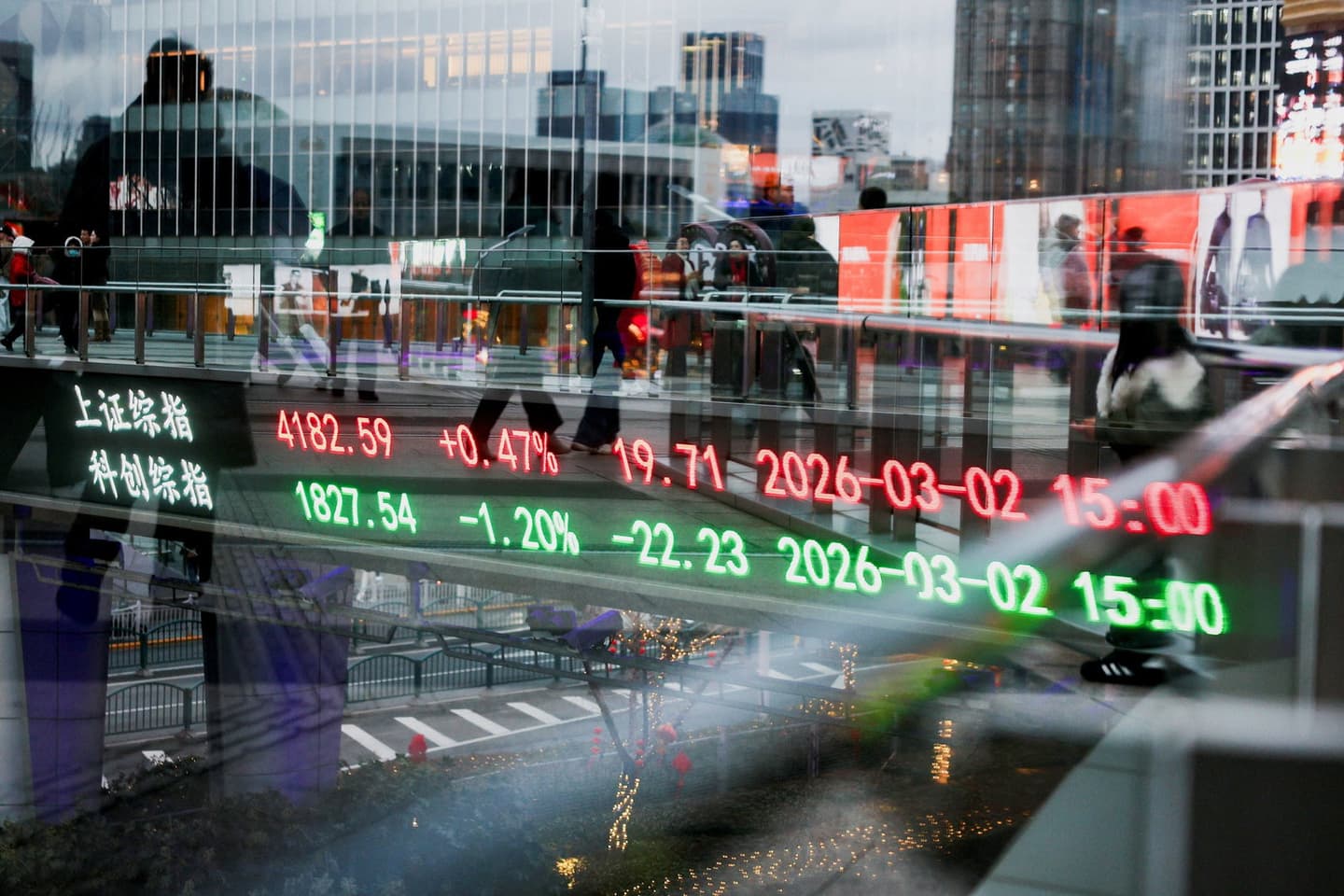
State-Led Injection Announced: On Sunday, China’s finance ministry said it would co-lead a package totaling about 360 billion yuan (roughly $54 billion) of capital injections into state-owned banks and insurers to stabilise the financial system. The move was presented as a coordinated effort to shore up capital across the financial system and sustain credit support for the real economy.
Perspectives and Debates
Summary by Ground AI
Sources
See All 102A varied selection of sources chosen by Ground to reflect the diversity of this story’s coverage.
Most Written About
The stories getting the most coverage from the last 24 hours


Source Analysis
Timeline
September 07, 2026
Policy, Market Reaction And Bonds: By Sept. 7, Reuters and analysts noted the package would be funded in part by 300 billion yuan in special treasury bonds — the first use of special bonds to support insurers — and that the measures should ease solvency pressures though insurance stocks fell on dilution concerns. Analysts said the injections would boost insurers' ability to invest long term and strengthen banks' capacity to support the real economy.
September 06, 2026
Recipients And Amounts Detailed: The announcement specified beneficiaries and sums: insurers receive a combined 70 billion yuan (China Life 35bn, China Taiping 7bn, PICC raise up to 15bn, China Export & Credit Insurance 10bn, China Re 3bn) while banks take the bulk (about 290bn yuan), including Agricultural Bank up to 160bn, ICBC up to 100bn and Export‑Import Bank 30bn. The proceeds were said to be used largely to replenish core Tier 1 capital.
September 06, 2026
State-Led Injection Announced: On Sunday, China’s finance ministry said it would co-lead a package totaling about 360 billion yuan (roughly $54 billion) of capital injections into state-owned banks and insurers to stabilise the financial system. The move was presented as a coordinated effort to shore up capital across the financial system and sustain credit support for the real economy.


