Americans Vote in Midterms With Control of Congress at Stake
United States
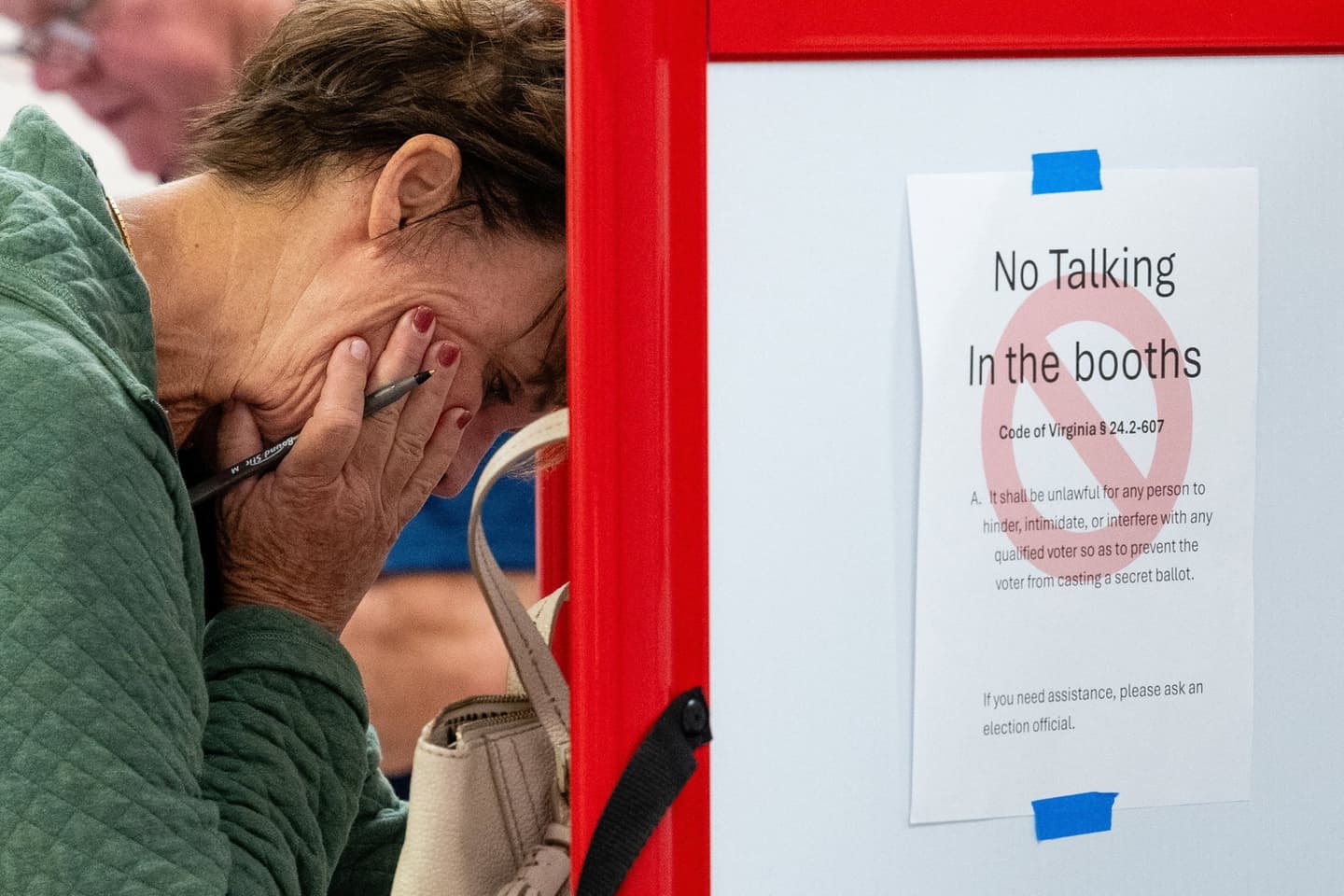
Eric Lee/Reuters




What Happened
Key Implications
What Happened
Key Implications
Where Sources Disagree
- arrows_outputTrump Approval Rating Discrepancy: Some sources report President Trump's approval rating hovering near the low 30s. However, other reports place his approval at 37 percent, citing recent polling data.
- arrows_outputEarly Voting Participation Figures: Reports on early voting participation vary, with the University of Florida’s Election Lab citing 58.6 million ballots cast nationwide. In contrast, Bloomberg reports approximately 51 million early votes, highlighting discrepancies in current data tracking.
- arrows_outputAlaska Senate Race Reporting: Some reports highlight the Justice Department’s lawsuit attempting to block certification of the Alaska Senate race, while others emphasize revelations that the Democratic campaign recruited a spoiler candidate sharing the Republican incumbent's name to influence the contest.
Timeline
November 3, 2026
Forecasts project Democratic wins: On Election Night, Decision Desk HQ's final forecast projected Democrats winning the House (241 seats to 194) and a narrow Senate majority (52-48), signaling that Democrats were poised to wrest control of Congress from Republicans. Coverage described the results as a major verdict on Trump's presidency and its policies.
November 3, 2026
Election Day: stakes and scale: On November 3, Americans voted for all 435 House seats and 35 Senate seats, with control of Congress hanging in the balance; Democrats needed net gains (three in the House, four in the Senate) to seize majorities. The outcome was framed as a referendum on President Trump’s second term, with high advertising spend and dozens of competitive races nationwide.
November 2, 2026
Legal fight over California ballots: The Trump administration sought to have California set aside up to 20,000 mail-in ballots it said might belong to noncitizens, a move that prompted lawsuits and was rejected by courts and ultimately blocked by the Supreme Court on an emergency bid. The rulings came on the eve of the midterms and removed a potential obstruction to California's mail-ballot counting.
Summary by Ground AI
Sources
See All 529A varied selection of sources chosen by Ground to reflect the diversity of this story’s coverage.
Most Written About
The stories getting the most coverage from the last 24 hours


Timeline
November 3, 2026
Forecasts project Democratic wins: On Election Night, Decision Desk HQ's final forecast projected Democrats winning the House (241 seats to 194) and a narrow Senate majority (52-48), signaling that Democrats were poised to wrest control of Congress from Republicans. Coverage described the results as a major verdict on Trump's presidency and its policies.
November 3, 2026
Election Day: stakes and scale: On November 3, Americans voted for all 435 House seats and 35 Senate seats, with control of Congress hanging in the balance; Democrats needed net gains (three in the House, four in the Senate) to seize majorities. The outcome was framed as a referendum on President Trump’s second term, with high advertising spend and dozens of competitive races nationwide.
November 2, 2026
Legal fight over California ballots: The Trump administration sought to have California set aside up to 20,000 mail-in ballots it said might belong to noncitizens, a move that prompted lawsuits and was rejected by courts and ultimately blocked by the Supreme Court on an emergency bid. The rulings came on the eve of the midterms and removed a potential obstruction to California's mail-ballot counting.


