Khamenei Says U.S. Hostility Will Persist After Midterms
Iran
Majid Asgaripour/Reuters




What Happened
What Happened
Where Right Sources Focus
- Khamenei's Policy Skepticism: Conservative outlets detail how Supreme Leader Khamenei asserts that US hostility will persist regardless of midterm outcomes or partisan shifts. Citing statements from his website, they highlight his warning that any expectation of policy change via concessions or factional shifts is a serious mistake.
- Military Escalation Warnings: Right-leaning media feature Khamenei’s warnings that renewed US aggression would trigger a wider conflict. They cite his claims regarding the destruction of regional bases and the management of the Strait of Hormuz as evidence of Iran’s broader campaign against US hegemony.
Where Left Sources Focus
- Midterm Election Reaction: Left and center sources emphasize how Iranian officials interpret the US midterm results as a rejection of the war. They feature comments from negotiators and officials describing the Democratic victory as a political and military defeat for Trump, with some framing the vote as Americans saying "no to war."
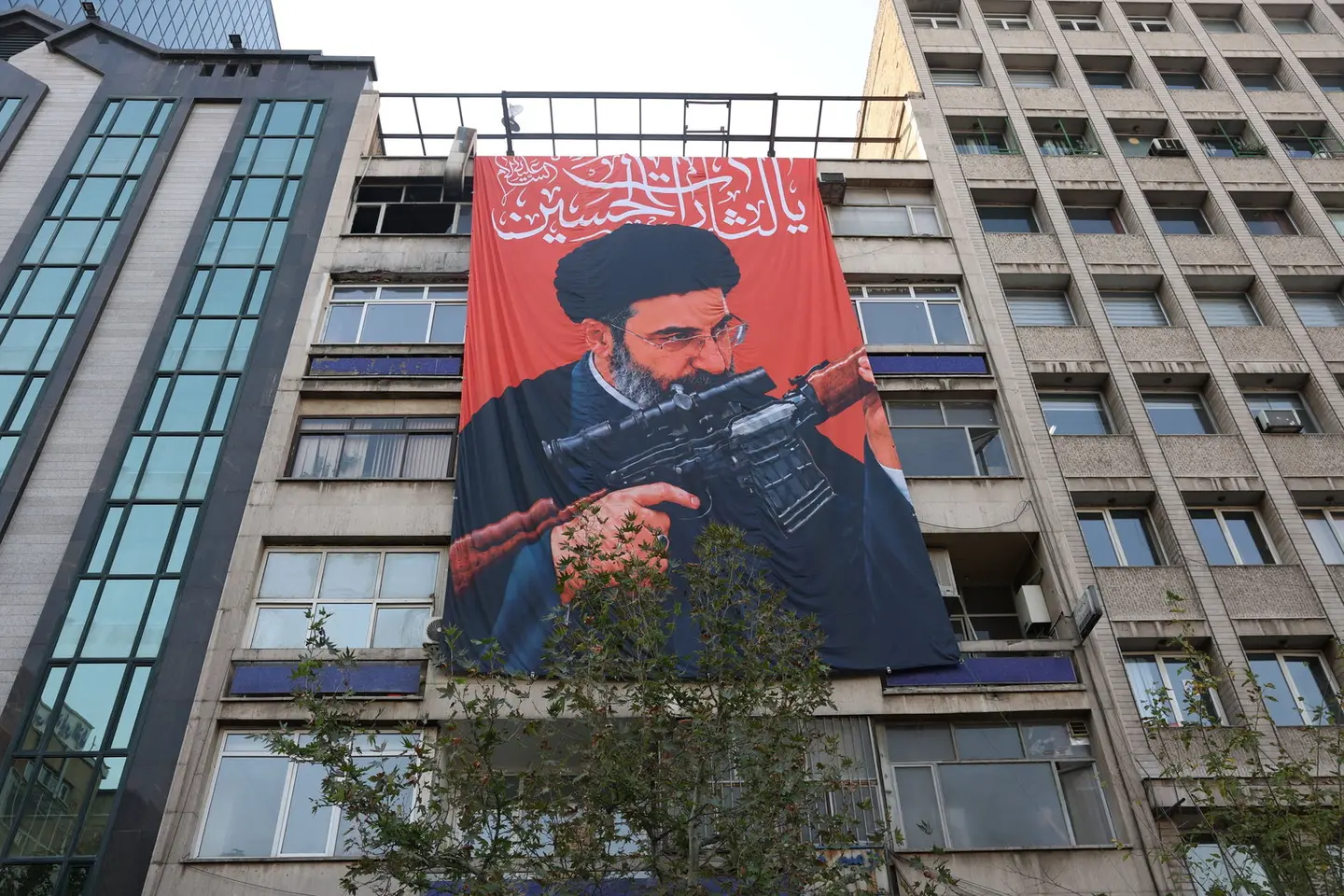
- Historical Cultural Context: Several reports highlight the rally in Tehran commemorating the 1979 US embassy seizure, known as the National Day of the Fight Against Global Arrogance. Coverage describes the public protest atmosphere, including displays of anti-US placards and portraits of the Supreme Leader.
What's Largely Absent from Each Side
- Right sources rarely mention: Right-leaning sources rarely mention on-the-ground details regarding the Tehran rally commemorating the 1979 embassy seizure, focusing instead solely on policy statements. Left and center outlets feature this protest atmosphere, including the display of anti-US placards and portraits of Khamenei.
- Left sources rarely mention: Left and center coverage largely omits specific timeline context regarding the conflict's start date, while right-leaning outlets emphasize the February 28 start date to frame the current diplomatic efforts and renewed fighting threats.
Rare Agreement
- Policy Persistence: Sources across the ideological spectrum agree that Supreme Leader Khamenei rejects the possibility of a policy shift, asserting that US hostility toward Iran will persist regardless of partisan changes within the American government.
Timeline
November 4, 2026
Khamenei Warns Hostility Will Persist: On November 4, Khamenei said Washington's hostility toward Tehran will not change through partisan shifts or concessions and warned any renewed U.S. aggression would draw a much wider response, citing Iran's actions in the Strait of Hormuz and strikes on U.S. bases.
November 4, 2026
Midterms Shift US Congress: The U.S. midterm elections delivered Democratic control of Congress, a result Iranian officials framed as voters rejecting war and its economic costs; Iran's negotiator and judiciary chief publicly welcomed the outcome.
March 2026
Khamenei Becomes Supreme Leader: Khamenei, aged 57, assumed the role of supreme leader in March after U.S. and Israeli strikes killed his father at the start of the war. This change in leadership is presented as background to his later statements.
Summary by Ground AI
Sources
See All 54A varied selection of sources chosen by Ground to reflect the diversity of this story’s coverage.
Most Written About
The stories getting the most coverage from the last 24 hours


Timeline
November 4, 2026
Khamenei Warns Hostility Will Persist: On November 4, Khamenei said Washington's hostility toward Tehran will not change through partisan shifts or concessions and warned any renewed U.S. aggression would draw a much wider response, citing Iran's actions in the Strait of Hormuz and strikes on U.S. bases.
November 4, 2026
Midterms Shift US Congress: The U.S. midterm elections delivered Democratic control of Congress, a result Iranian officials framed as voters rejecting war and its economic costs; Iran's negotiator and judiciary chief publicly welcomed the outcome.
March 2026
Khamenei Becomes Supreme Leader: Khamenei, aged 57, assumed the role of supreme leader in March after U.S. and Israeli strikes killed his father at the start of the war. This change in leadership is presented as background to his later statements.


