Trump May Hold Off on New Iran Strikes Unless Provoked
United States
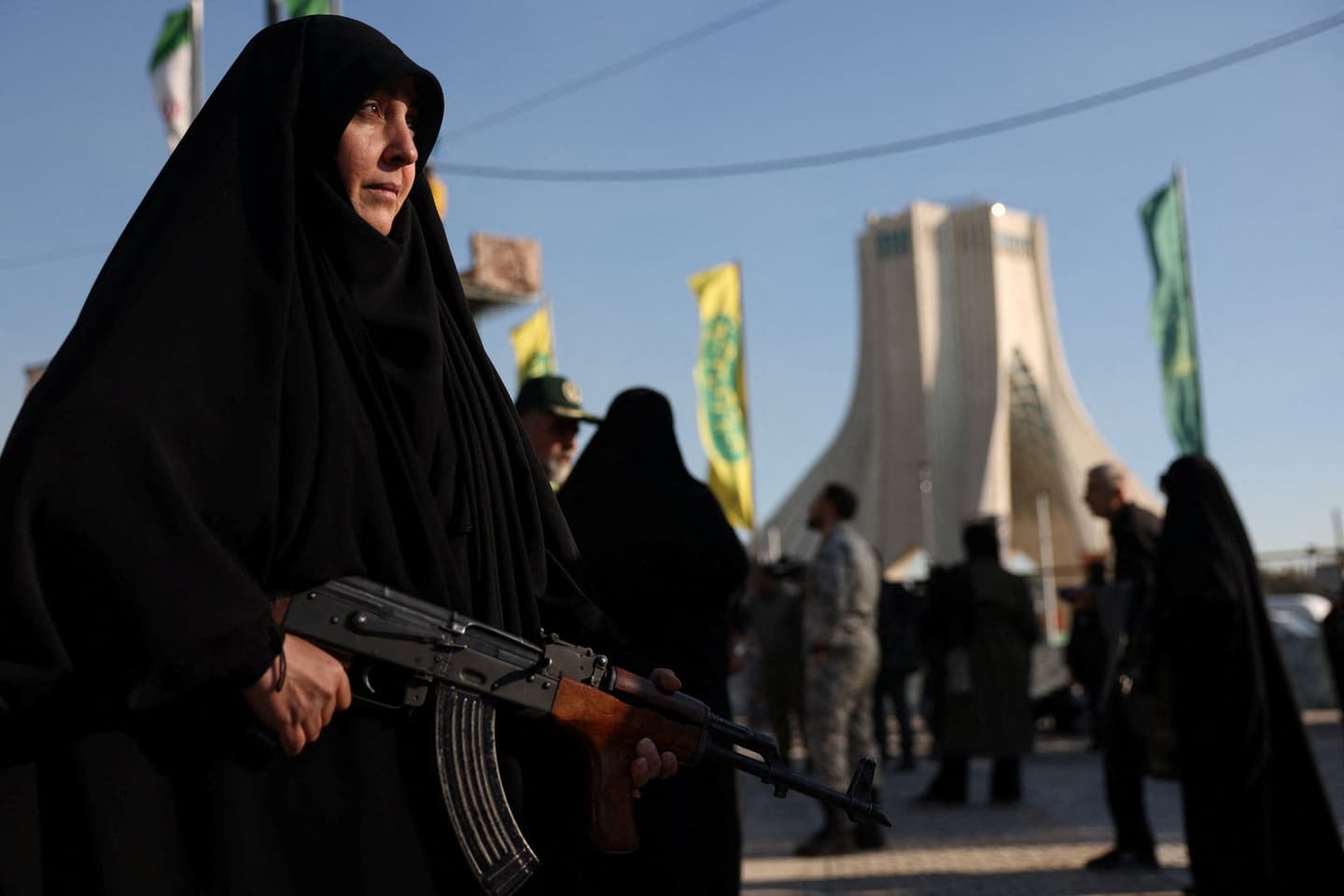
Majid Asgaripour/Reuters
Source Analysis




What Happened
What Happened
Where Sources Disagree
- Strike Pause Motivation: Some reports attribute President Trump's potential pause on Iran strikes to requests from regional allies urging restraint. In contrast, others emphasize that intelligence assessments—highlighting the limited impact of additional strikes and depleted munitions stockpiles—are the primary factors driving the administration's hesitation.
- Negotiation Prospects Disputed: While some analysis indicates President Trump has backed away from pursuing additional talks with Iran, other reporting emphasizes that Tehran remains unwilling to engage in negotiations until the U.S. agrees to its core conditions.
Timeline
November 14, 2026
Reuters: May Hold Off Unless Provoked: By Nov. 14, Reuters reported Trump told senior advisers he may hold off on attacking Iran if there are no new provocations from Tehran or Iran-backed Houthis, even as the U.S. military remained ready to escalate (carriers repositioning) and intelligence briefings warned munitions stocks were drawn down. Agencies also assessed that renewed strikes would not significantly change Iran’s negotiating demands while the naval blockade and sanctions continued to hurt Iran’s economy.
November 12, 2026
Trump Signals Willingness To Wait: In a Nov. 12 interview with Stephen A. Smith, Trump said, "I could end it immediately, but at the request of the nations that I am looking to protect, we are doing it a little bit longer," signaling preference for continuing economic pressure over immediate military escalation. He also posted that "We don’t need a deal with Iran," underscoring mixed public and private messages.
November 07, 2026
November 7 Call Urges De-Escalation: An official readout from a November 7 call between Trump and regional leaders stressed that tensions between Iran and the U.S. need to end, reflecting allied pleas for restraint. U.S. intelligence assessments indicated the naval blockade and sanctions were applying continued pressure on Tehran.
Perspectives and Debates
Are economic and electoral pressures or regional diplomacy driving the pause in strikes on Iran?
Summary by Ground AI
Sources
See All 116A varied selection of sources chosen by Ground to reflect the diversity of this story’s coverage.
Most Written About
The stories getting the most coverage from the last 24 hours







Source Analysis
Timeline
November 14, 2026
Reuters: May Hold Off Unless Provoked: By Nov. 14, Reuters reported Trump told senior advisers he may hold off on attacking Iran if there are no new provocations from Tehran or Iran-backed Houthis, even as the U.S. military remained ready to escalate (carriers repositioning) and intelligence briefings warned munitions stocks were drawn down. Agencies also assessed that renewed strikes would not significantly change Iran’s negotiating demands while the naval blockade and sanctions continued to hurt Iran’s economy.
November 12, 2026
Trump Signals Willingness To Wait: In a Nov. 12 interview with Stephen A. Smith, Trump said, "I could end it immediately, but at the request of the nations that I am looking to protect, we are doing it a little bit longer," signaling preference for continuing economic pressure over immediate military escalation. He also posted that "We don’t need a deal with Iran," underscoring mixed public and private messages.
November 07, 2026
November 7 Call Urges De-Escalation: An official readout from a November 7 call between Trump and regional leaders stressed that tensions between Iran and the U.S. need to end, reflecting allied pleas for restraint. U.S. intelligence assessments indicated the naval blockade and sanctions were applying continued pressure on Tehran.


