U.S. Deficit Rises to $1.99 Trillion in Fiscal 2026
United States
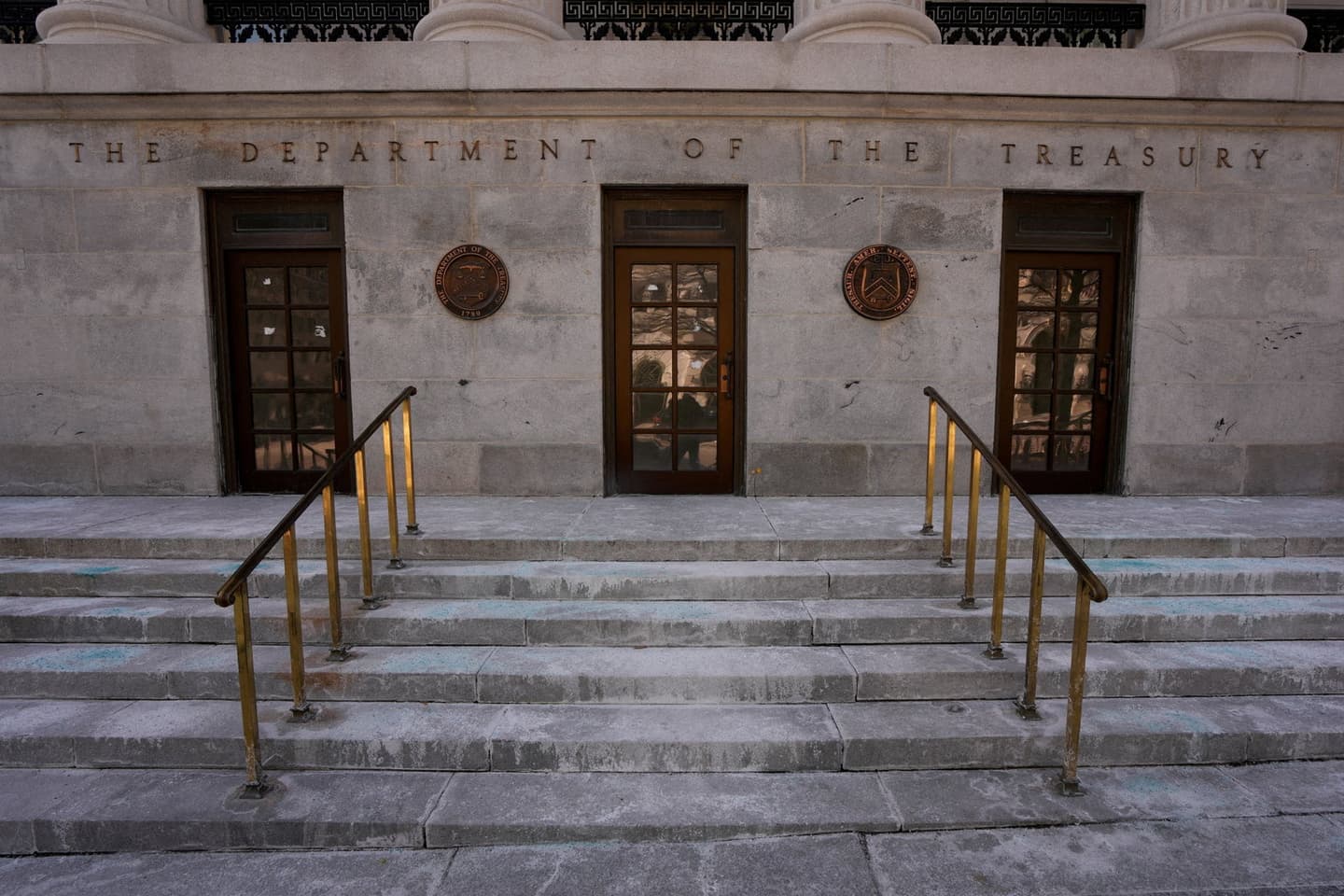
Ken Cedeno/Reuters
Source Analysis




What Happened
What Happened
Where Sources Agree
- arrows_input2026 Fiscal Deficit Confirmed: Sources across outlets confirm the U.S. federal budget deficit reached $1.99 trillion for the 2026 fiscal year, marking a 12% increase from the prior year and the largest shortfall in five years, according to Treasury Department figures.
- arrows_inputRecord Fiscal Year Financials: Reporting establishes fiscal 2026 reached record spending of $7.4 trillion and receipts of $5.4 trillion, with interest payments exceeding $1.3 trillion, according to Treasury Department reports.
- arrows_inputNational Debt Milestone: All outlets cite that the total national debt has exceeded $40 trillion, according to Treasury Department figures.
Where Sources Disagree
- arrows_outputDebt-Service Interest Reporting: Some reports state the U.S. spent more than $1.3 trillion on debt-service interest in fiscal 2026. However, other outlets specify the total debt-service outlays reached $1.36 trillion for the same period.
- arrows_outputPrior Year Deficit Figure: Sources offer slightly different figures for the prior year's deficit, with some reporting $1.775 trillion and others citing $1.78 trillion.
- arrows_outputDeficit-to-GDP Ratio Reporting: Some outlets report the Treasury’s estimated deficit-to-GDP ratio of 6.2% for fiscal 2026. In contrast, other coverage of the nearly $2 trillion deficit omits this specific economic metric.
Timeline
October 16, 2026
Historical Context and Market Reaction: The $1.99 trillion shortfall is the third-largest annual deficit (behind 2020 and 2021), marked the 25th consecutive fiscal-year deficit, and coincided with bond-market pressure that pushed 10- and 30-year Treasury yields to multi-decade highs.
October 16, 2026
Tariff Ruling Spurs Refunds: A Supreme Court ruling reduced the reach of prior tariffs, triggering about $145 billion in tariff refunds and an 11% decline in net tariff income (to roughly $173 billion), which contributed to the wider shortfall as the nation’s total debt topped $40 trillion earlier this year.
September 30, 2026
Rising Debt-Service, Major Programs: Debt-service outlays climbed to a record $1.36 trillion and net interest exceeded $1 trillion, while Social Security (~$1.7 trillion) and Medicare (about $1.1 trillion) remained the largest program costs.
Summary by Ground AI
Sources
See All 90A varied selection of sources chosen by Ground to reflect the diversity of this story’s coverage.
Most Written About
The stories getting the most coverage from the last 24 hours






Source Analysis
Timeline
October 16, 2026
Historical Context and Market Reaction: The $1.99 trillion shortfall is the third-largest annual deficit (behind 2020 and 2021), marked the 25th consecutive fiscal-year deficit, and coincided with bond-market pressure that pushed 10- and 30-year Treasury yields to multi-decade highs.
October 16, 2026
Tariff Ruling Spurs Refunds: A Supreme Court ruling reduced the reach of prior tariffs, triggering about $145 billion in tariff refunds and an 11% decline in net tariff income (to roughly $173 billion), which contributed to the wider shortfall as the nation’s total debt topped $40 trillion earlier this year.
September 30, 2026
Rising Debt-Service, Major Programs: Debt-service outlays climbed to a record $1.36 trillion and net interest exceeded $1 trillion, while Social Security (~$1.7 trillion) and Medicare (about $1.1 trillion) remained the largest program costs.


