WHO Study Finds 1 in 4 Adolescents Worldwide Has No Active Days
United Kingdom
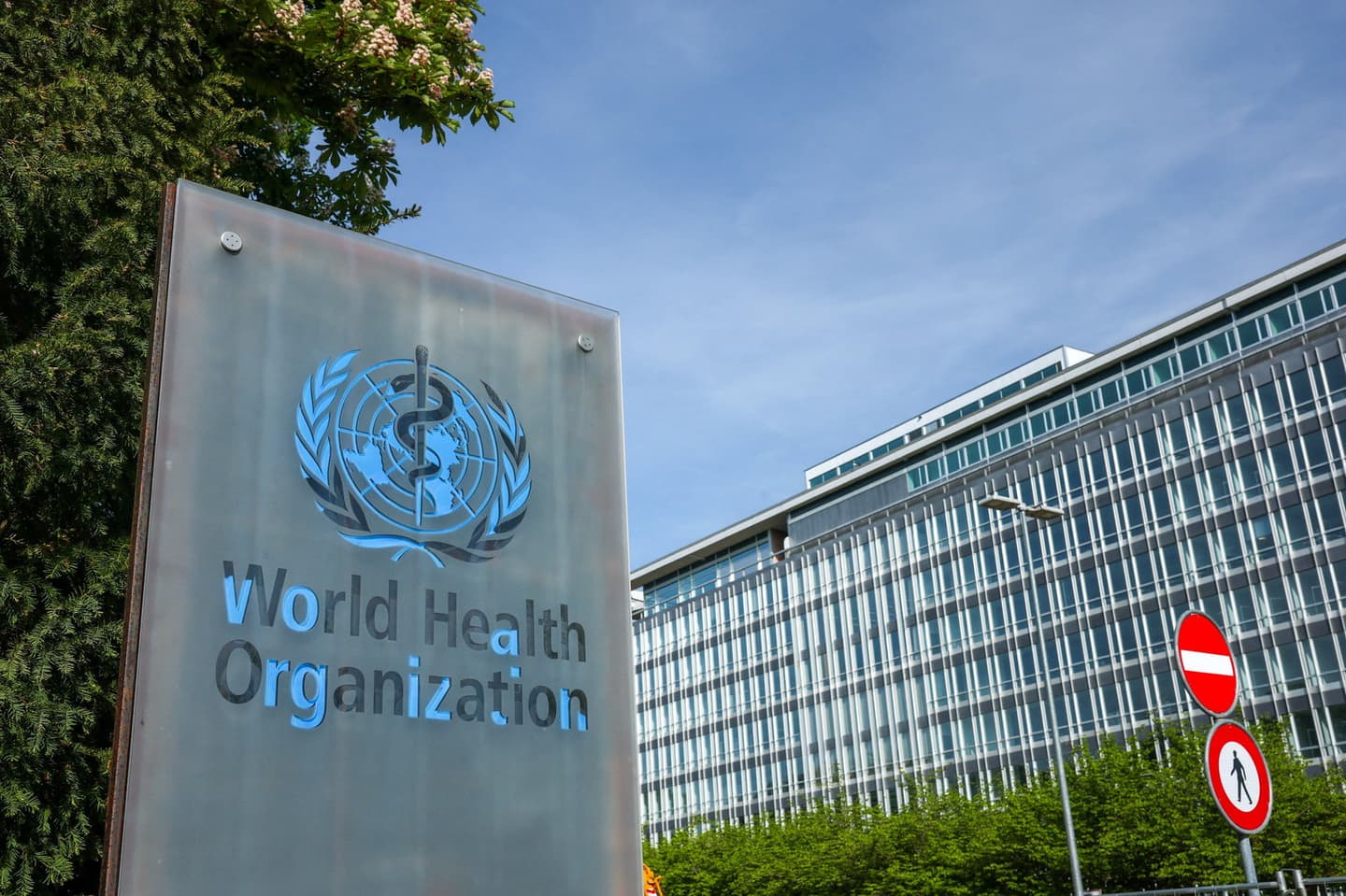
Denis Balibouse/Reuters




What Happened
What Happened
Where Sources Disagree
- arrows_outputIndia's Study Exclusion: Some outlets explain that India was excluded from the assessment because researchers could not identify nationally representative surveys meeting the study's specific criteria. In contrast, the majority of reports focus on the study's broad scope, noting it covers 140 countries.
- arrows_outputRegional Activity Reporting: Reports illustrate global disparities in adolescent activity, with some outlets highlighting that 40% of Filipino youth report no active days, while other coverage emphasizes findings that adolescents in nations like Finland, Canada, and Serbia remain the most active globally.
Timeline
November 05, 2026
No country on track; WHO response: The report warned that no country is currently on track to meet the 2018 global target of a 15% relative reduction in physical inactivity by 2030, prompting WHO calls for coordinated action across education, transport, urban planning, sport and health to make activity safe, easy and routine. Officials urged policy changes rather than simply telling adolescents to 'try harder.'
December 31, 2025
Gender and regional gaps: The study documented stark disparities: girls were consistently less active than boys (28% of girls vs 22% of boys reporting no active days) and activity varied widely by country and region, with some nations (e.g., Cambodia, Jordan, Madagascar) averaging 1.7–1.9 active days while others (Finland, Canada, Serbia) averaged 4.5–4.8. Several countries, including the Philippines, Namibia and Nepal, had around 40% of adolescents reporting no active days.
December 31, 2025
Fifteen years of stagnation: The report showed activity levels have remained virtually unchanged between 2010 and 2025, with a global average of 2.7 active days per week and only 14% active every day, signalling almost no progress over the past 15 years. WHO officials lamented the lack of improvement and urged stronger action.
Summary by Ground AI
Sources
See All 61A varied selection of sources chosen by Ground to reflect the diversity of this story’s coverage.
Most Written About
The stories getting the most coverage from the last 24 hours




Timeline
November 05, 2026
No country on track; WHO response: The report warned that no country is currently on track to meet the 2018 global target of a 15% relative reduction in physical inactivity by 2030, prompting WHO calls for coordinated action across education, transport, urban planning, sport and health to make activity safe, easy and routine. Officials urged policy changes rather than simply telling adolescents to 'try harder.'
December 31, 2025
Gender and regional gaps: The study documented stark disparities: girls were consistently less active than boys (28% of girls vs 22% of boys reporting no active days) and activity varied widely by country and region, with some nations (e.g., Cambodia, Jordan, Madagascar) averaging 1.7–1.9 active days while others (Finland, Canada, Serbia) averaged 4.5–4.8. Several countries, including the Philippines, Namibia and Nepal, had around 40% of adolescents reporting no active days.
December 31, 2025
Fifteen years of stagnation: The report showed activity levels have remained virtually unchanged between 2010 and 2025, with a global average of 2.7 active days per week and only 14% active every day, signalling almost no progress over the past 15 years. WHO officials lamented the lack of improvement and urged stronger action.


