Moscow Gas Stations Reintroduce Fuel Limits Amid Russia Shortages
Russia
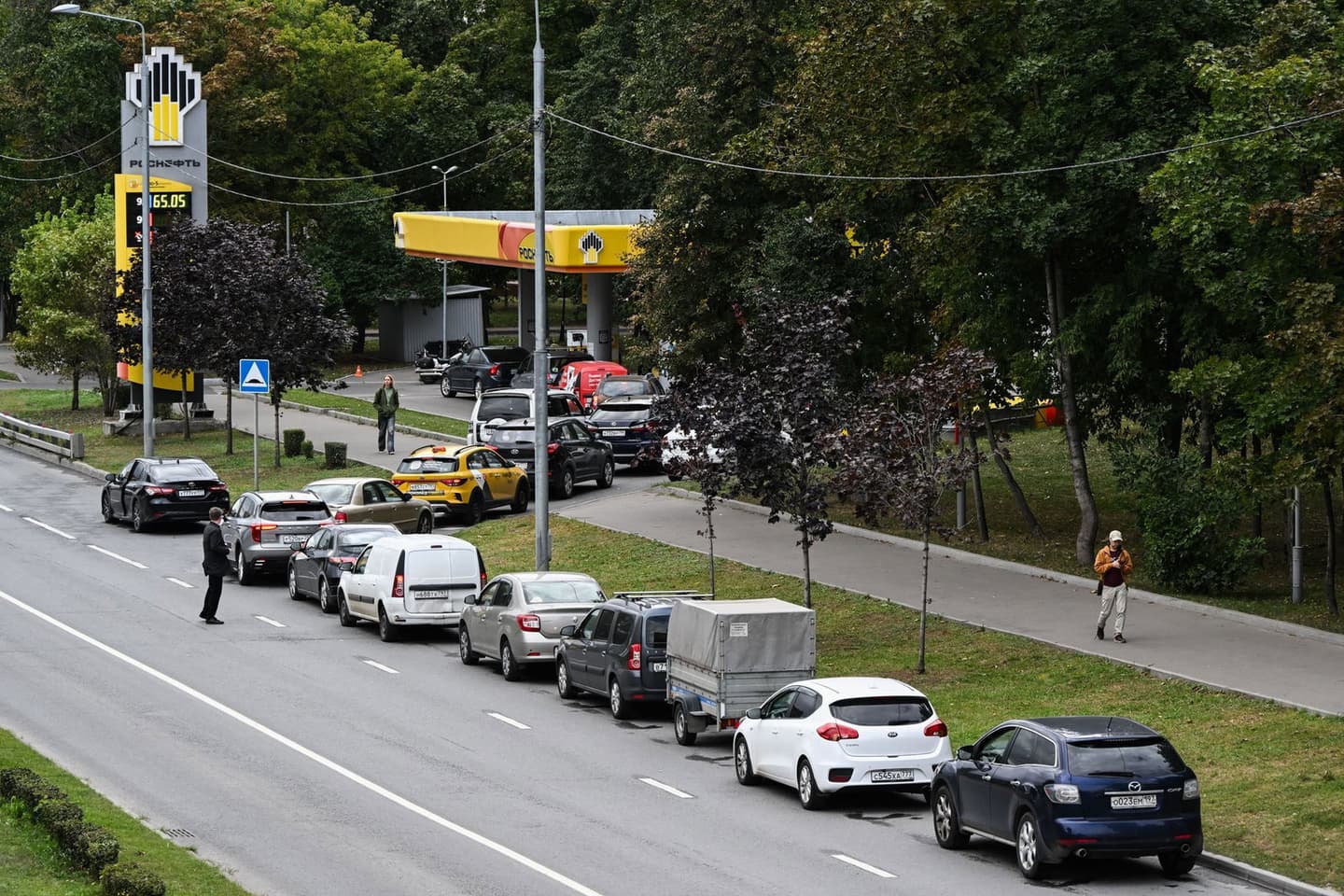
Igor IVANKO / AFP via Getty Images/Getty




What Happened
Key Implications
What Happened
Key Implications
Where Sources Agree
- arrows_inputFuel Purchase Limits: Reporting largely establishes that major Russian fuel companies have reintroduced purchase limits at stations in Moscow and other regions, with Gazprom Neft, Tatneft, and Rosneft capping gasoline sales between 30 and 60 liters per vehicle, according to company hotlines and statements.
- arrows_inputRefinery Disruptions and Supply: Coverage largely emphasizes that recurring Ukrainian drone strikes on oil infrastructure have forced the shutdown of at least 26 refineries, reducing total refining volume to 3.6 million barrels per day and exacerbating domestic fuel shortages, according to industry analysis and reports.
- arrows_inputPenalties for Public Complaints: Various sources establish that Russian authorities have penalized citizens for publicly complaining about gasoline shortages, with courts classifying video petitions as "unauthorized public events" and issuing 10,000-ruble fines to participants, according to court documents and reports.
Where Sources Disagree
- arrows_outputFuel Shortage Attribution: While some sources attribute Russia's fuel shortages primarily to Ukrainian drone strikes on oil refineries, others emphasize the role of increased seasonal demand and scheduled refinery maintenance.
- arrows_outputFuel Market Stability Disputed: Russian energy officials contend the fuel market is stabilizing, with ministers insisting that supplies remain available despite logistical challenges. However, independent reports and market data characterize the situation as a worsening 'second wave' of shortages, citing widespread rationing, closed filling stations, and long queues across multiple regions.
Timeline
August 17, 2026
Moscow stations impose caps: In the capital and surrounding region (mid‑late August), major networks including Gazprom Neft, Tatneft, Rosneft and Lukoil reimposed purchase limits (e.g., Gazprom Neft 40–60L, Tatneft 50L gasoline/60L diesel, Rosneft 30L) and long queues formed at stations as rationing returned to Moscow. Companies cited unscheduled maintenance, elevated demand and refinery disruptions as the reasons for limits.
August 16, 2026
Shortages widen nationwide: By mid‑August, crowdsourced and exchange data showed fuel availability collapsing (around 28% of filling stations reporting stock on Aug. 16), with an estimated ~50 million Russians directly affected and several refineries suspended or operating at reduced capacity. The strain was compounded by reduced Belarusian supplies and disrupted exports and logistics.
August 15, 2026
Regions reintroduce rationing: After a brief easing in late July, authorities reintroduced or tightened fuel sale restrictions across multiple regions between August 10 and 15, implementing measures such as purchase caps, limits on portable containers and odd‑even rationing. At least six regions reinstated or tightened controls as shortages resurged.
Perspectives and Debates
What does Russia's renewed fuel shortage mainly expose?
Summaries by Ground AI
Sources
See All 74Most Written About
The stories getting the most coverage from the last 24 hours




Timeline
August 17, 2026
Moscow stations impose caps: In the capital and surrounding region (mid‑late August), major networks including Gazprom Neft, Tatneft, Rosneft and Lukoil reimposed purchase limits (e.g., Gazprom Neft 40–60L, Tatneft 50L gasoline/60L diesel, Rosneft 30L) and long queues formed at stations as rationing returned to Moscow. Companies cited unscheduled maintenance, elevated demand and refinery disruptions as the reasons for limits.
August 16, 2026
Shortages widen nationwide: By mid‑August, crowdsourced and exchange data showed fuel availability collapsing (around 28% of filling stations reporting stock on Aug. 16), with an estimated ~50 million Russians directly affected and several refineries suspended or operating at reduced capacity. The strain was compounded by reduced Belarusian supplies and disrupted exports and logistics.
August 15, 2026
Regions reintroduce rationing: After a brief easing in late July, authorities reintroduced or tightened fuel sale restrictions across multiple regions between August 10 and 15, implementing measures such as purchase caps, limits on portable containers and odd‑even rationing. At least six regions reinstated or tightened controls as shortages resurged.


