Pentagon Begins Releasing 162 Declassified UFO Files
United States
Getty Images/Getty
Source Analysis




What Happened
Why It Matters
What Happened
Why It Matters
Where Sources Agree
- arrows_inputInitial UAP Files Released: Coverage confirms the Trump administration released 162 UAP files on May 8, available on WAR.GOV/UFO; this initial release is part of the PURSUE program and aims for ongoing transparency, according to Department of War and White House officials.
- arrows_inputApollo Astronauts Report UAPs: Predominant reporting shows Apollo 12 and 17 missions recorded unidentified anomalous phenomena, with astronauts describing bright particles or fragments, according to NASA mission reports and astronaut transcripts.
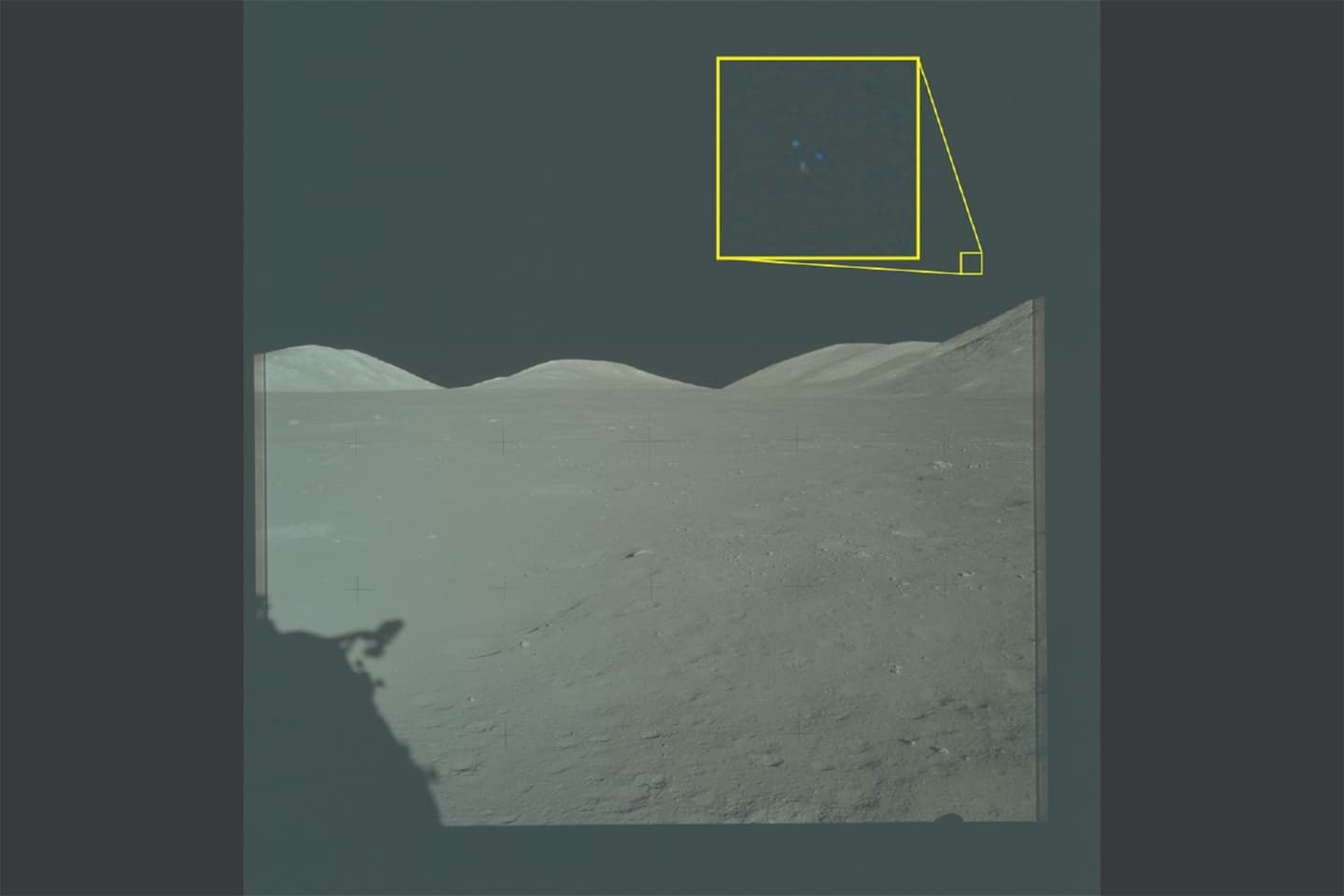
- arrows_inputApollo Lunar Anomalies: Most accounts emphasize photos from the Apollo 17 mission in 1972 show three unexplained dots in a triangular formation over the moon, framing these as significant UAP reports according to military reports and FBI photos.
Where Sources Disagree
- arrows_outputUAP File Transparency and Significance: Some sources assert the Trump administration's UAP file release offers unprecedented transparency with new, never-before-seen evidence. Conversely, other sources argue the release provides limited new evidence, rehashed information, and fuels speculation without explanation.
- arrows_outputApollo Mission UAP Interpretations: Some analysts suggest Apollo 17's triangular dots and tumbling fragments are unexplained physical objects, while others propose these sightings could be asteroid impacts, particles, or optical illusions.
Timeline
May 8, 2026
Immediate aftermath and rollout: The release prompted heavy traffic that briefly crashed the Pentagon website, widespread public debate and praise from administration officials; the department said additional files would be posted on a rolling basis in the coming weeks. Congressional and advocacy figures signaled more material (including withheld videos) would follow.
May 8, 2026
Archive includes Apollo records: The released trove included NASA mission materials and transcripts — notably Apollo-era photographs and communications (Apollo 12 in 1969, Apollo 17 in 1972) and archival items such as the Apollo 11 debriefing and Gemini VII audio — alongside FBI and military case files and recent eyewitness reports. These items were presented as unresolved cases for public review.
May 8, 2026
Pentagon posts first tranche: On Friday, May 8, 2026, the Department of War/Pentagon posted the first tranche of declassified materials — a batch described as 162 documents, photographs and videos — to a newly launched portal (war.gov/UFO). The administration framed the release as unprecedented transparency and an interagency effort.
Perspectives and Debates
Does the UAP file release represent genuine government transparency or a political distraction?
Summary by Ground AI
Sources
See All 709A varied selection of sources chosen by Ground to reflect the diversity of this story’s coverage.
Most Written About
The stories getting the most coverage from the last 24 hours





Source Analysis
Timeline
May 8, 2026
Immediate aftermath and rollout: The release prompted heavy traffic that briefly crashed the Pentagon website, widespread public debate and praise from administration officials; the department said additional files would be posted on a rolling basis in the coming weeks. Congressional and advocacy figures signaled more material (including withheld videos) would follow.
May 8, 2026
Archive includes Apollo records: The released trove included NASA mission materials and transcripts — notably Apollo-era photographs and communications (Apollo 12 in 1969, Apollo 17 in 1972) and archival items such as the Apollo 11 debriefing and Gemini VII audio — alongside FBI and military case files and recent eyewitness reports. These items were presented as unresolved cases for public review.
May 8, 2026
Pentagon posts first tranche: On Friday, May 8, 2026, the Department of War/Pentagon posted the first tranche of declassified materials — a batch described as 162 documents, photographs and videos — to a newly launched portal (war.gov/UFO). The administration framed the release as unprecedented transparency and an interagency effort.


