Blue Origin New Glenn Blast Reached 1,046 Miles, Study Finds
United States
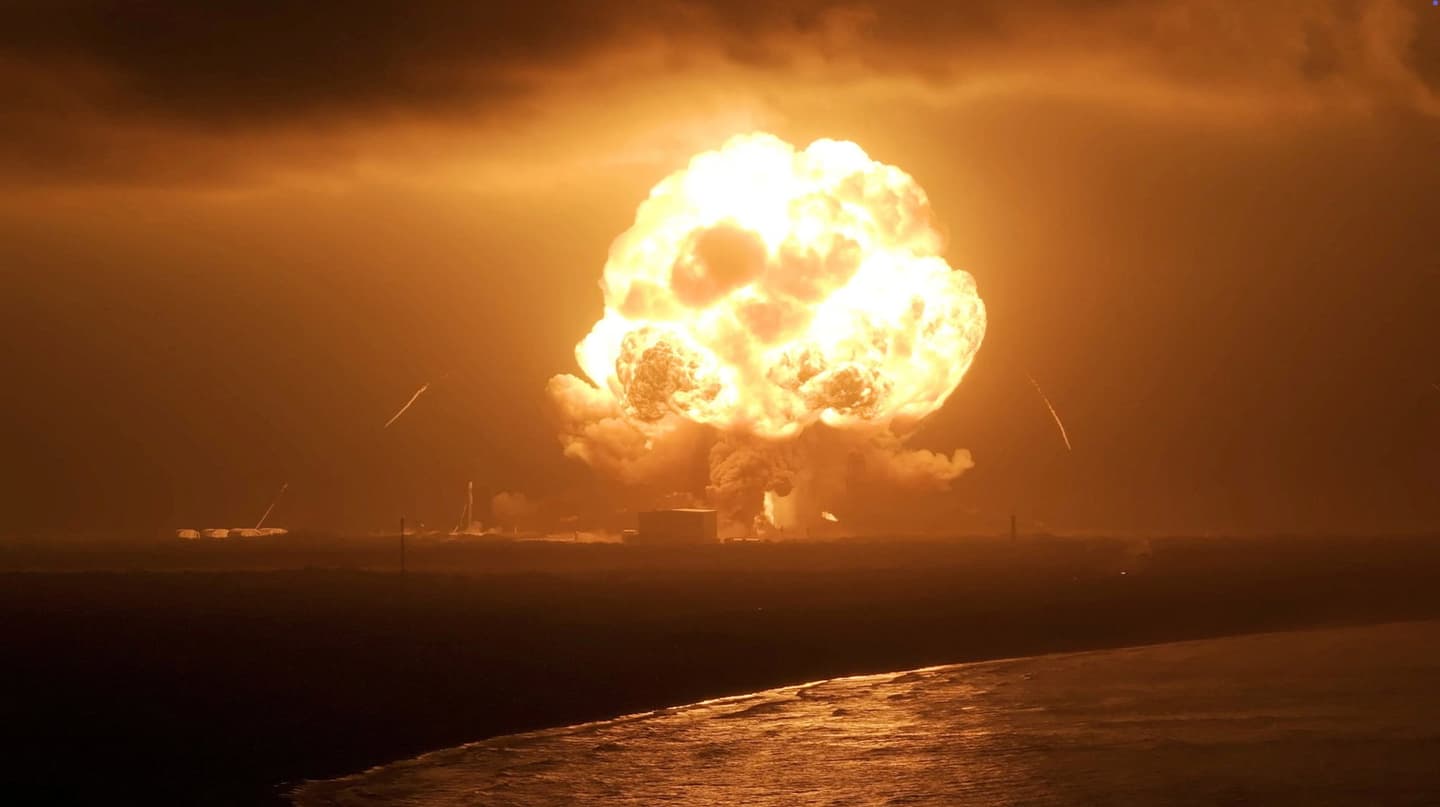
NASASpaceflight.com/Reuters
Source Analysis




What Happened
Key Implications
What Happened
Key Implications
Timeline
August 12, 2026
Aug. 12 study quantifies blast: A study published August 12, 2026 in The Seismic Record used infrasound from at least 36 U.S. listening stations (the farthest ~1,046 miles away) to estimate the explosion's energy at about 0.131 kilotons of TNT — slightly higher than the initial Chornobyl blast — and found only 3–6% of the booster’s cryogenic propellant was consumed in the initial blast, offering researchers a rare opportunity to analyze a large real-world propellant accident.
August 5, 2026
Company cites oxygen valve fault: On August 5, 2026, Blue Origin said a faulty oxygen valve likely caused the explosion, according to reporting from Live Science's sister site Space.com. This was presented as the company's preliminary likely cause.
May 29, 2026
May 29 hotfire test explosion: On May 29, 2026, during a static 'hotfire' test at Cape Canaveral Space Force Station, the New Glenn booster violently exploded, producing a massive fireball, a mushroom cloud, and flaming debris while thousands reported a thunderous boom felt up to 135 miles away; no one was hurt. The blast severely damaged the launchpad — repairs were estimated to take at least a year — and Blue Origin has not attempted another New Glenn launch since.
Summaries by Ground AI
Sources
See All 6Most Written About
The stories getting the most coverage from the last 24 hours






Source Analysis
Timeline
August 12, 2026
Aug. 12 study quantifies blast: A study published August 12, 2026 in The Seismic Record used infrasound from at least 36 U.S. listening stations (the farthest ~1,046 miles away) to estimate the explosion's energy at about 0.131 kilotons of TNT — slightly higher than the initial Chornobyl blast — and found only 3–6% of the booster’s cryogenic propellant was consumed in the initial blast, offering researchers a rare opportunity to analyze a large real-world propellant accident.
August 5, 2026
Company cites oxygen valve fault: On August 5, 2026, Blue Origin said a faulty oxygen valve likely caused the explosion, according to reporting from Live Science's sister site Space.com. This was presented as the company's preliminary likely cause.
May 29, 2026
May 29 hotfire test explosion: On May 29, 2026, during a static 'hotfire' test at Cape Canaveral Space Force Station, the New Glenn booster violently exploded, producing a massive fireball, a mushroom cloud, and flaming debris while thousands reported a thunderous boom felt up to 135 miles away; no one was hurt. The blast severely damaged the launchpad — repairs were estimated to take at least a year — and Blue Origin has not attempted another New Glenn launch since.


