Thirlwall Inquiry: Some Lucy Letby Baby Deaths Were Preventable
United Kingdom
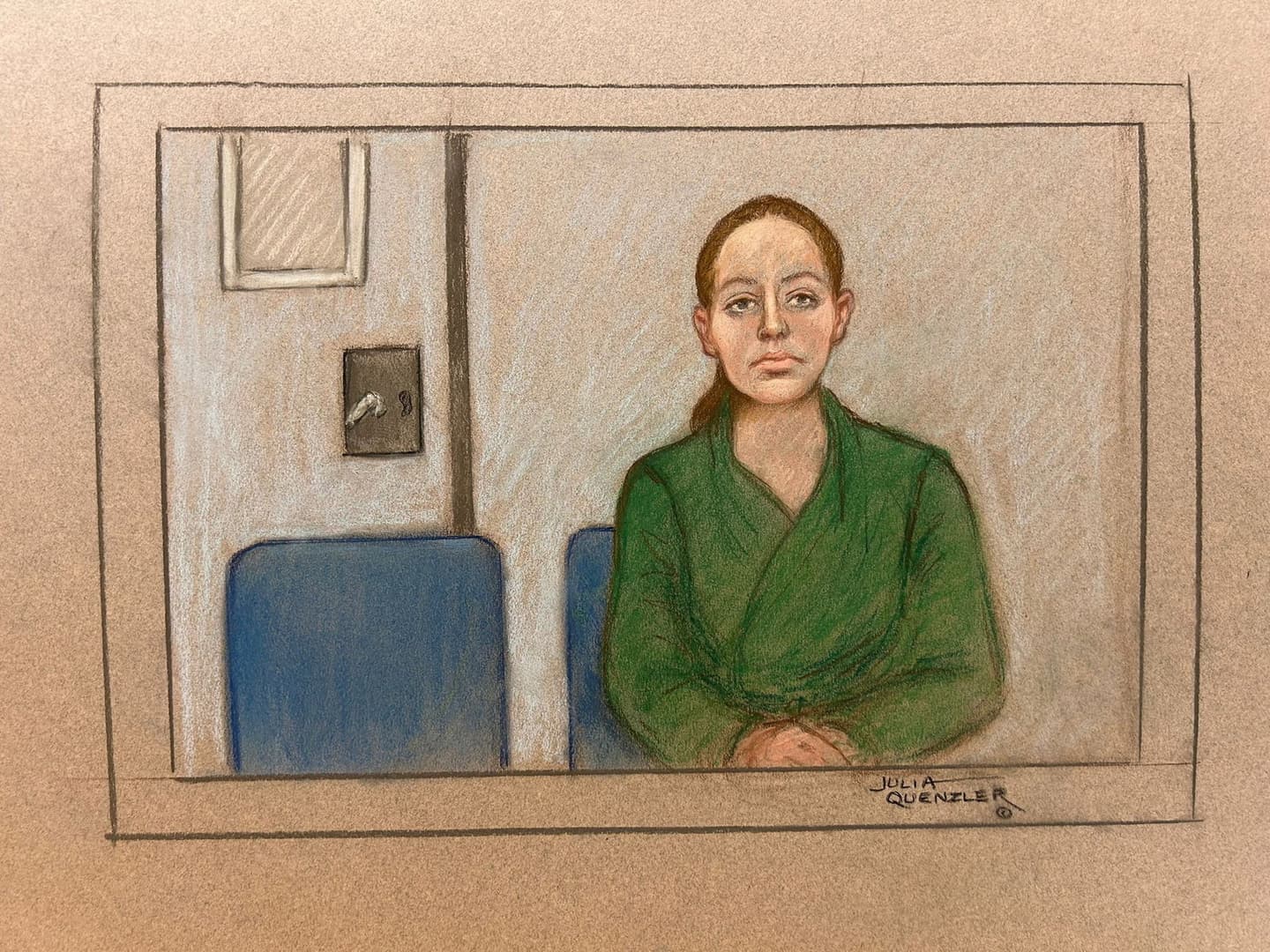
Julia Quenzler/Reuters




What Happened
What Happened
Where Sources Agree
- arrows_inputInquiry Findings of Institutional Failure: Various sources establish that the Thirlwall Inquiry report identified a complete failure at the Countess of Chester Hospital to protect babies, noting that some infant deaths and injuries could have been prevented if management had acted on safeguarding concerns sooner.
- arrows_inputInquiry Findings on Hospital Failures: Multiple sources report that some infant deaths at the Countess of Chester Hospital could have been prevented if management had acted sooner to address safeguarding concerns, according to official inquiry recommendations.
- arrows_inputHospital Management Investigation: Several outlets confirm that three senior hospital managers were arrested on suspicion of gross negligence manslaughter following a Thirlwall Inquiry report detailing a prolonged delay in alerting police, according to Cheshire Constabulary.
Where Sources Disagree
- arrows_outputLetby Conviction Validity: While judicial rulings and convictions confirm Lucy Letby’s guilt in the murders of seven newborns, a defense team and a group of international medical experts maintain she is innocent, arguing the deaths resulted from natural causes and systemic medical failures rather than criminal acts.
- arrows_outputInquiry Premise Disputed: While the Thirlwall Inquiry focused on hospital governance and systemic safeguarding failures, Letby’s legal team contends the inquiry proceeded on a flawed premise by ignoring alternative medical narratives regarding the causes of the neonatal deaths.
Timeline
September 15, 2026
Thirlwall inquiry report published: The public Thirlwall Inquiry—which took evidence from September 2024 and concluded hearings in March 2025—published its report on September 15, 2026, finding a "complete failure" to protect babies and that some deaths could have been avoided; it made sweeping recommendations (including baby monitors, stronger insulin controls and board-level death monitoring) and inquests were scheduled for May 2027.
August 1, 2023
2023 convictions and sentences: After a lengthy criminal process, Letby was convicted in 2023 of murdering seven babies and attempting to murder others and is serving multiple whole-life terms; her convictions have remained controversial with appeals rejected and some experts questioning aspects of the evidence.
July 3, 2018
Letby arrested by police: Lucy Letby was first arrested in July 2018 (police bodycam footage shows her arrest on July 3, 2018), after which police reviewed her career at the Countess of Chester and other hospitals to assess whether further offences had occurred. Families only learned of suspicions when police contacted them after the arrest.
Perspectives and Debates
Are Lucy Letby's convictions a settled matter or are they still being credibly challenged?
Summaries by Ground AI
Sources
See All 135Most Written About
The stories getting the most coverage from the last 24 hours





Timeline
September 15, 2026
Thirlwall inquiry report published: The public Thirlwall Inquiry—which took evidence from September 2024 and concluded hearings in March 2025—published its report on September 15, 2026, finding a "complete failure" to protect babies and that some deaths could have been avoided; it made sweeping recommendations (including baby monitors, stronger insulin controls and board-level death monitoring) and inquests were scheduled for May 2027.
August 1, 2023
2023 convictions and sentences: After a lengthy criminal process, Letby was convicted in 2023 of murdering seven babies and attempting to murder others and is serving multiple whole-life terms; her convictions have remained controversial with appeals rejected and some experts questioning aspects of the evidence.
July 3, 2018
Letby arrested by police: Lucy Letby was first arrested in July 2018 (police bodycam footage shows her arrest on July 3, 2018), after which police reviewed her career at the Countess of Chester and other hospitals to assess whether further offences had occurred. Families only learned of suspicions when police contacted them after the arrest.


