Newsom Signs California Law Requiring Robotaxi Support for First Responders
California, US
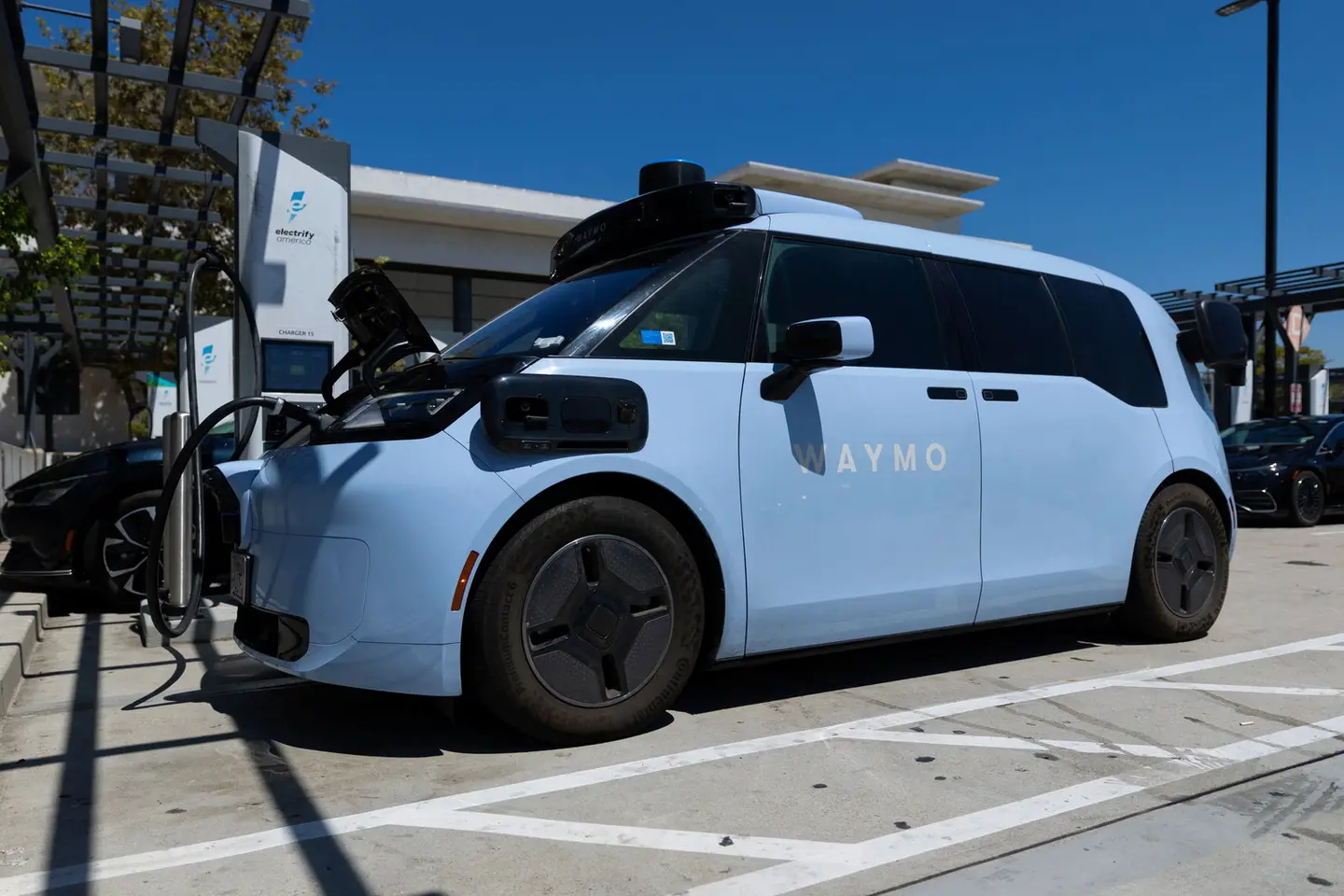
Mike Blake/Reuters
Source Analysis




What Happened
What Happened
Where Left Sources Focus
- Public Safety Accountability: Left-leaning coverage frames the new legislation as a critical safeguard against tech giants prioritizing innovation over public safety. Sources cite State Senator Dave Cortese and NHTSA findings to argue that autonomous vehicles must be held accountable for functional insufficiencies that obstruct emergency responders.
- Documenting Incident Patterns: Reports highlight specific failures, including Waymo vehicles stalling during San Francisco power outages and blocking roads during celebrations. Coverage emphasizes that these disruptions are not isolated cases, citing NHTSA warnings about a clear pattern of robotaxis interfering with law enforcement and first responders.
Where Center Sources Focus
- Industry Compliance and Market Impact: Center-leaning outlets prioritize the business implications of the law, noting that companies like Waymo and Zoox have pledged compliance. Reports detail how the legislation affects the expanding robotaxi market and could lead to higher operating expenses for firms managing large autonomous fleets.
- Operational Technical Nuance: Coverage explains the regulatory distinction between direct 'remote driving' and 'remote assistance,' where software remains in control. Analysts highlight the law’s requirement that remote drivers be US-based with valid licenses, focusing on how these technical definitions shape the new compliance standards for AV operators.
What's Largely Absent from Each Side
- Center sources rarely mention: Center sources rarely discuss the specific human impact on first responders, such as reports of emergency crews being left on hold for 53 minutes or forced to manually move vehicles. Left-leaning outlets feature these accounts to illustrate the real-world consequences of autonomous vehicle interference in crisis scenarios.
- Left sources rarely mention: Left-leaning coverage largely omits the nuanced technical distinctions between 'remote driving' and 'remote assistance' regarding human intervention. Center sources explore these operational definitions, which determine how companies like Waymo and Tesla manage their fleets and comply with the new US-based staffing requirements.
Rare Agreement
- Legislative Core Facts: Both sides report that Governor Gavin Newsom signed Senate Bill 1246, establishing new safety rules for autonomous vehicles. Sources agree the law takes effect July 1, 2028, and authorizes local penalties of up to $10,000 when robotaxis block first responders for more than 30 minutes.
Timeline
July 1, 2028 Upcoming
Law mandates local response and fines: SB 1246 requires AV companies to dispatch 'local incident technicians,' notify local jurisdictions during system-wide failures, limit remote drivers to US-based, licensed operators, and allows local penalties (including fines up to $10,000) if a vehicle blocks emergency services for more than 30 minutes.
October 3, 2026
Industry size and reactions: Waymo (about 4,000 commercial AVs, ~1,200 in the Bay Area) and other operators said they will comply with the new law; reporting notes Waymo uses global remote-assistance staff while Zoox says its remote teams are US-based and Tesla has acknowledged remote operators.
September 30, 2026
Newsom signs SB 1246: On September 30, 2026, Governor Gavin Newsom signed Senate Bill 1246 into law, creating new statewide requirements and accountability for robotaxi operators when their vehicles stall, crash, or obstruct emergency responders.
Summary by Ground AI
Sources
See All 18A varied selection of sources chosen by Ground to reflect the diversity of this story’s coverage.
Most Written About
The stories getting the most coverage from the last 24 hours







Source Analysis
Timeline
July 1, 2028 Upcoming
Law mandates local response and fines: SB 1246 requires AV companies to dispatch 'local incident technicians,' notify local jurisdictions during system-wide failures, limit remote drivers to US-based, licensed operators, and allows local penalties (including fines up to $10,000) if a vehicle blocks emergency services for more than 30 minutes.
October 3, 2026
Industry size and reactions: Waymo (about 4,000 commercial AVs, ~1,200 in the Bay Area) and other operators said they will comply with the new law; reporting notes Waymo uses global remote-assistance staff while Zoox says its remote teams are US-based and Tesla has acknowledged remote operators.
September 30, 2026
Newsom signs SB 1246: On September 30, 2026, Governor Gavin Newsom signed Senate Bill 1246 into law, creating new statewide requirements and accountability for robotaxi operators when their vehicles stall, crash, or obstruct emergency responders.


