Trump Expands Tariffs on 60 Economies as U.S. Disapproval Rises
United States
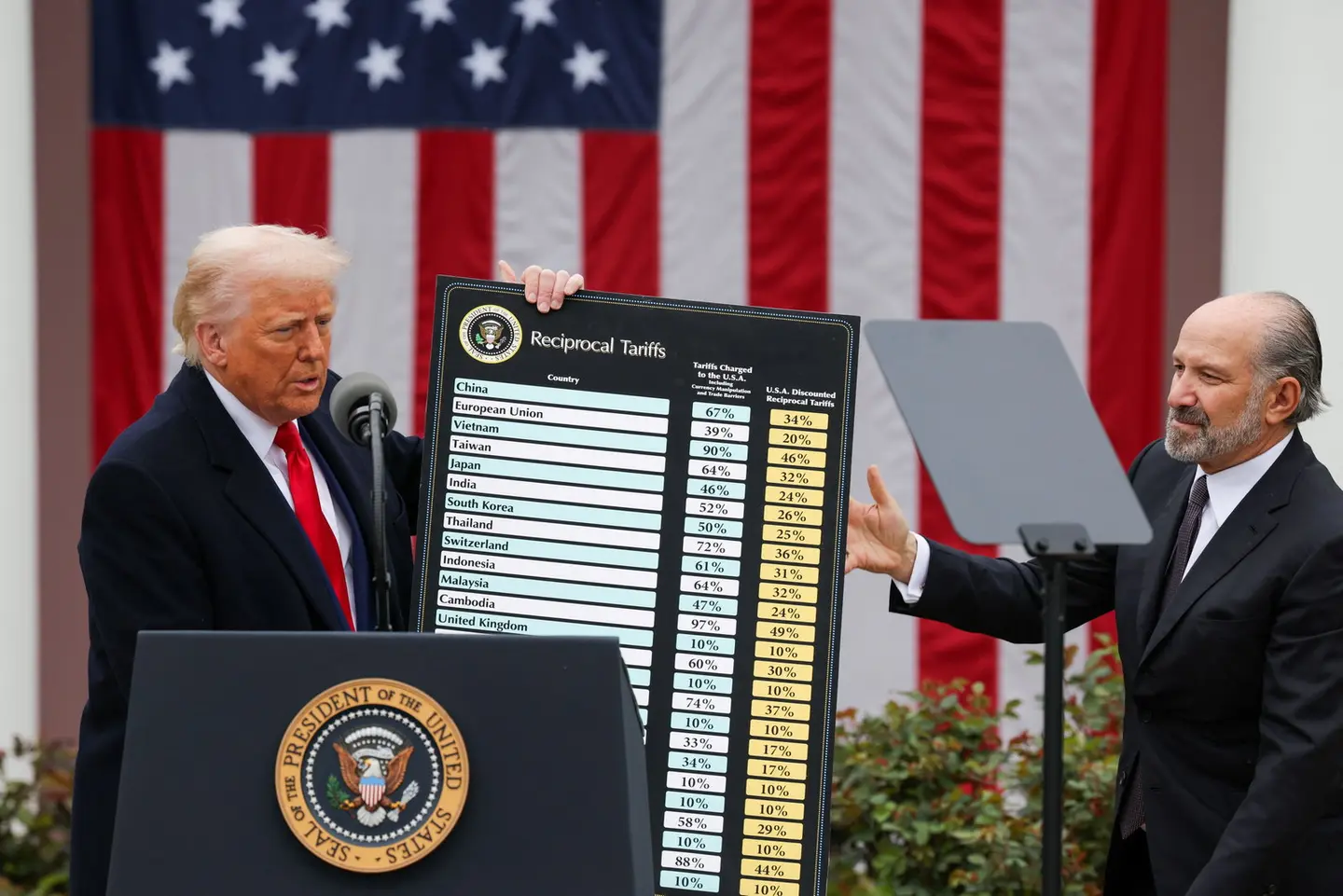
Carlos Barria/Reuters
Source Analysis




What Happened
What Happened
Where Sources Agree
- arrows_inputConsumer Tariff Burden: Most coverage notes that overseas companies have largely not lowered their prices to offset tariffs, meaning American businesses and consumers are bearing the bulk of the costs, according to New York Fed and Harvard studies.
- arrows_inputSection 301 Tariff Authority: Sources verify that President Trump utilizes Section 301 of the Trade Act of 1974 to impose tariffs on countries believed to engage in unfair trade practices without requiring congressional approval, according to trade policy documentation.
Where Sources Disagree
- arrows_outputManufacturing Job Outlook: The White House asserts that a manufacturing factory boom is currently underway, while historical data highlights the loss of nearly 3 million manufacturing jobs following China's WTO entry.
- arrows_outputRally Performance Framing: Some sources interpret Trump's rally behavior as evidence of physical and mental decline. In contrast, other reporting focuses on specific body language analysis from experts, who cite his podium grip and facial expressions as potential indicators of physical discomfort.
Timeline
October 12, 2026
New Section 301 duties imposed: After shifting legal authority, the administration relied on Section 301 of the Trade Act of 1974 to impose new duties, setting tariffs of about 10% to 12.5% on imports from 60 economies including the European Union, India, Japan, Canada and Mexico. These changes were described in the most recent reporting of the policy stance.
October 11, 2026
Public disapproval spikes pre-midterms: A recent poll, released with less than a month before the Nov. 3 midterms, found more than 64% of U.S. adults say Trump has gone too far with his latest tariffs (up from 58% in January), signaling political risk for the administration. The timing was highlighted as a major political gamble ahead of the midterm elections.
October 11, 2026
Studies show consumer costs rise: Multiple studies (New York Fed, Harvard and others) found that overseas exporters have largely not reduced prices to offset tariffs, meaning U.S. businesses and consumers absorb added costs or face higher prices. Reporting also captures debate over whether tariffs benefit U.S. manufacturing versus raising costs for Americans.
Summary by Ground AI
Sources
See All 74A varied selection of sources chosen by Ground to reflect the diversity of this story’s coverage.
Most Written About
The stories getting the most coverage from the last 24 hours





Source Analysis
Timeline
October 12, 2026
New Section 301 duties imposed: After shifting legal authority, the administration relied on Section 301 of the Trade Act of 1974 to impose new duties, setting tariffs of about 10% to 12.5% on imports from 60 economies including the European Union, India, Japan, Canada and Mexico. These changes were described in the most recent reporting of the policy stance.
October 11, 2026
Public disapproval spikes pre-midterms: A recent poll, released with less than a month before the Nov. 3 midterms, found more than 64% of U.S. adults say Trump has gone too far with his latest tariffs (up from 58% in January), signaling political risk for the administration. The timing was highlighted as a major political gamble ahead of the midterm elections.
October 11, 2026
Studies show consumer costs rise: Multiple studies (New York Fed, Harvard and others) found that overseas exporters have largely not reduced prices to offset tariffs, meaning U.S. businesses and consumers absorb added costs or face higher prices. Reporting also captures debate over whether tariffs benefit U.S. manufacturing versus raising costs for Americans.


