Stanford Researchers Use AI to Design Functional Bacteriophages
United States
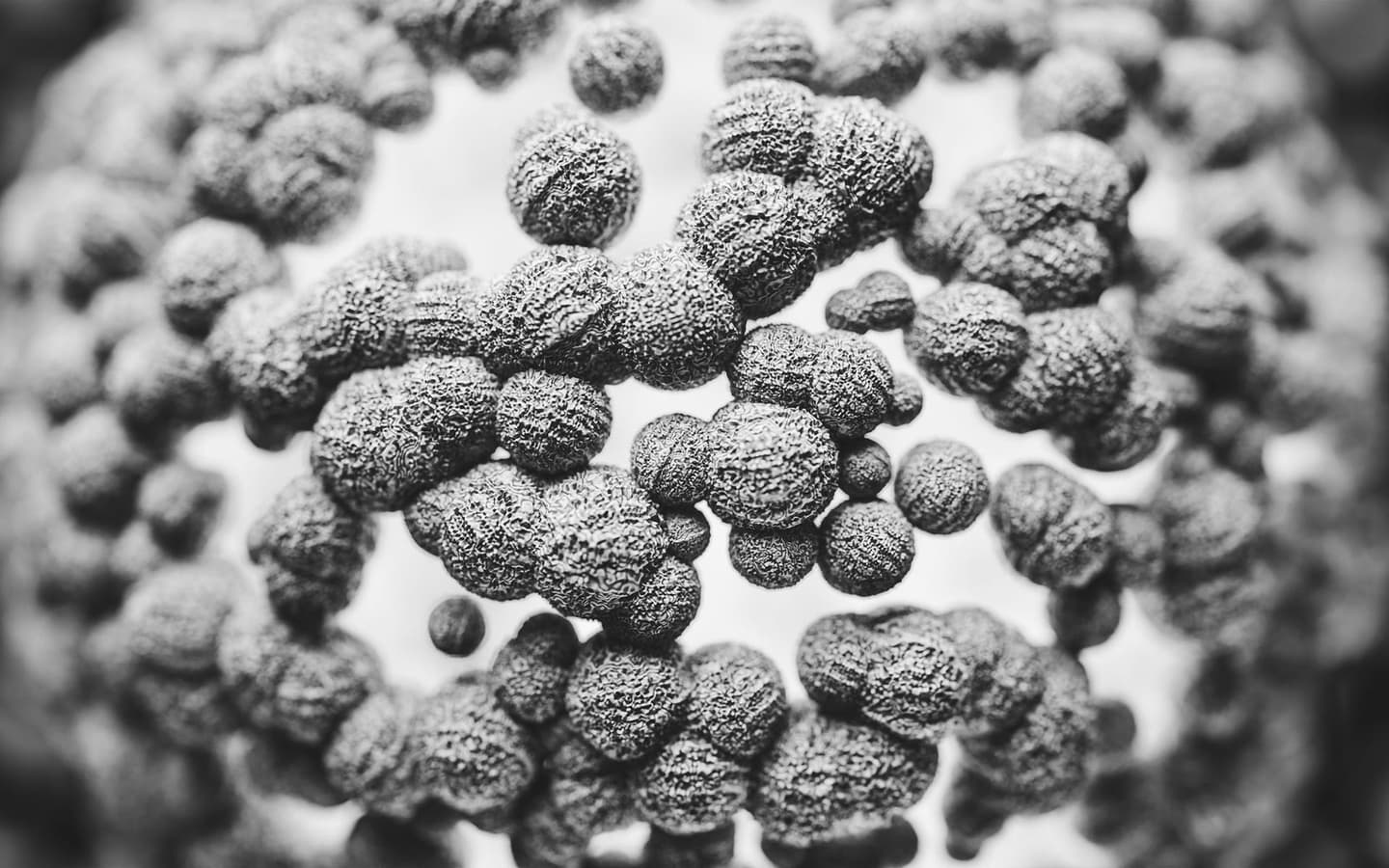
Marek Piwnicki/Pexels




What Happened
Key Implications
What Happened
Key Implications
Where Sources Agree
- arrows_inputAI-Designed Bacteriophage Breakthrough: A subset of coverage notes that Stanford and Arc Institute researchers successfully used the Evo AI model to design 16 viable bacteriophages that infect E. coli bacteria but pose no threat to humans, according to the study published in Science.
- arrows_inputGovernance Oversight Gap: Various reports document that while researchers successfully confirmed the first AI-designed functional bacteriophages, Johns Hopkins health security experts noted that governance frameworks have failed to keep pace, leaving a critical disconnect between rapidly advancing AI capabilities and necessary safety oversight.
Where Sources Disagree
- arrows_outputAI Research Regulatory Scope: Some sources highlight that recent federal policies restrict high-risk life sciences research, raising concerns about AI-driven work. In contrast, other reporting clarifies that these guidelines do not prohibit computer-based research unless it involves specific entities of concern.
- arrows_outputBiosecurity Risk Assessment: Biosecurity experts warn that the capability to design viral genomes via AI has outpaced existing governance, creating urgent risks of misuse. In contrast, researchers emphasize that the current threat is overblown, noting the AI-generated viruses are limited to infecting bacteria and require extensive laboratory validation to function.
Timeline
August 06, 2026
Biosecurity and policy backlash: An accompanying Perspective and multiple experts warned the breakthrough raises urgent biosafety and biosecurity concerns, calling for stricter laws, oversight and safeguards even as agencies like the NIH rolled out new life-science policies amid gaps noted by commentators.
August 06, 2026
Functional phages showed potency: The AI-created phages had sequence patterns distinct from known viruses, with some performing comparably to natural relatives and certain mixtures overcoming resistance in E. coli strains that resisted ΦX174-like phages.
August 06, 2026
AI-designed genomes synthesized tested: Scientists synthesized roughly 285–300 of Evo’s suggested sequences in the laboratory and experimentally tested them; of those tested, 16 AI-designed genomes produced fully functional bacteriophages that infected E. coli.
Summaries by Ground AI
Sources
See All 173Most Written About
The stories getting the most coverage from the last 24 hours


Timeline
August 06, 2026
Biosecurity and policy backlash: An accompanying Perspective and multiple experts warned the breakthrough raises urgent biosafety and biosecurity concerns, calling for stricter laws, oversight and safeguards even as agencies like the NIH rolled out new life-science policies amid gaps noted by commentators.
August 06, 2026
Functional phages showed potency: The AI-created phages had sequence patterns distinct from known viruses, with some performing comparably to natural relatives and certain mixtures overcoming resistance in E. coli strains that resisted ΦX174-like phages.
August 06, 2026
AI-designed genomes synthesized tested: Scientists synthesized roughly 285–300 of Evo’s suggested sequences in the laboratory and experimentally tested them; of those tested, 16 AI-designed genomes produced fully functional bacteriophages that infected E. coli.


