Mossad Director Gofman Meets U.S. Officials as Netanyahu Seeks Iran Strikes
United States
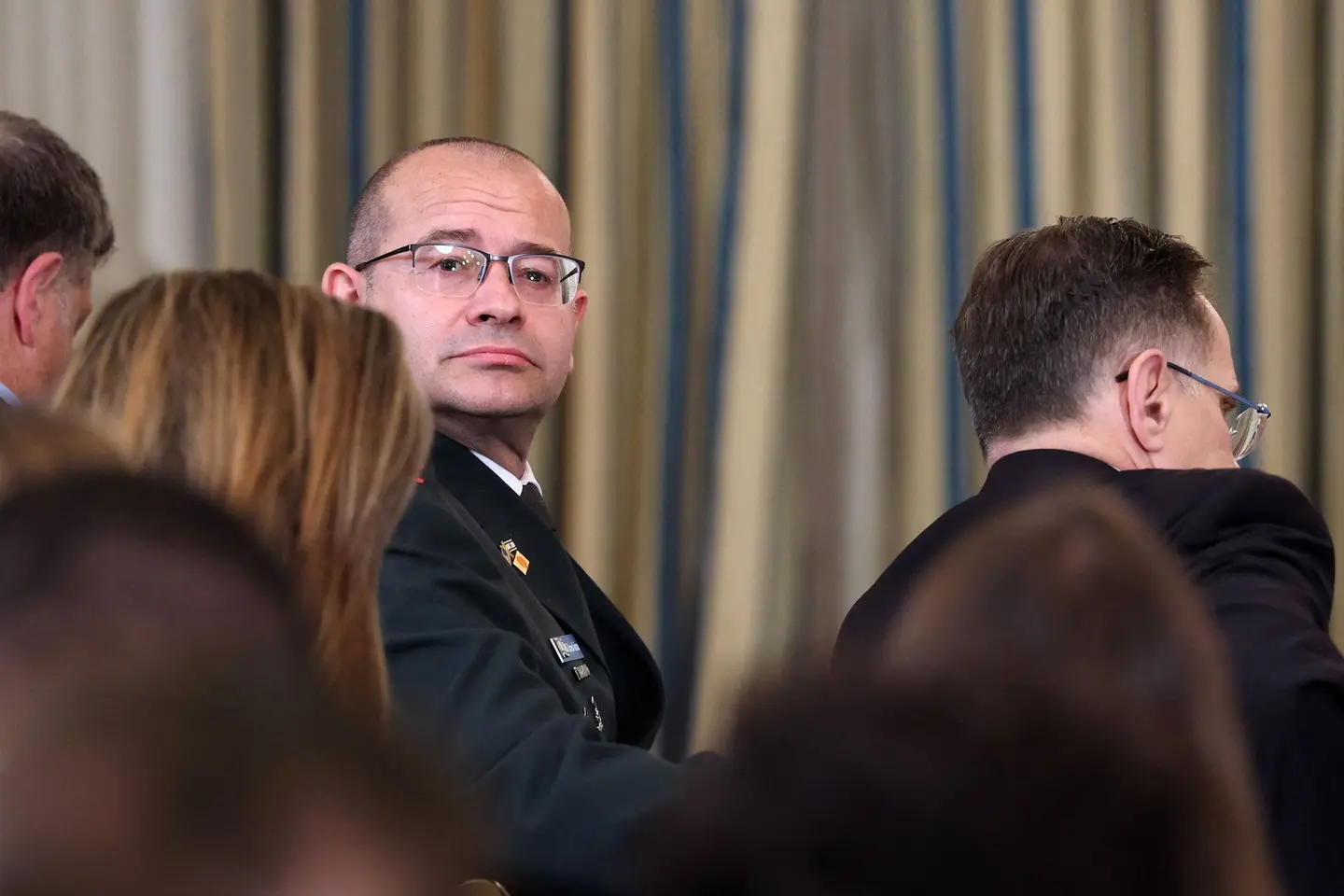
Jonathan Ernst/Reuters
Source Analysis




What Happened
What Happened
Where Sources Disagree
- Diplomatic Strategy Disputed: Some reports suggest Trump stated the U.S. does not need a deal with Tehran, signaling an abandonment of peace talks. However, other sources indicate the President favors maintaining economic pressure while continuing to explore the possibility of a negotiated agreement.
- November 5 Call Characterization: Some outlets describe the November 5 phone call between the leaders as a "shouting match from hell." In contrast, other sources characterize the conversation simply as a discussion regarding the Iran conflict.
- Planned Iran Operation: Some reports state that the United States learned of and intervened to stop a planned Israeli operation against Iran. However, other accounts indicate the operation never materialized, noting that President Trump preferred to allow negotiations to continue.
Timeline
November 13, 2026
U.S. and Allies Resist Strikes: The U.S., influenced by Gulf partners (Saudi Arabia, Qatar, UAE and others), has favored giving diplomatic and pressure campaigns more time and maintaining a naval blockade and sanctions rather than returning to major strikes, while some Israeli opposition figures warned that renewed military action could disrupt domestic coalition negotiations. President Trump has so far resisted pressure to restart full‑scale fighting.
November 13, 2026
Gofman Visits Washington, Meets CIA: Roman Gofman, director of the Mossad, arrived in Washington, D.C., to meet senior Trump administration officials including CIA Director John Ratcliffe and is also expected to meet White House envoy Steve Witkoff; his visit coincided with Netanyahu pressing Trump to resume military action against Iran. U.S. officials and the White House declined to comment on the meetings.
November 5, 2026
Heated Nov. 5 Phone Call: On November 5, President Trump and Prime Minister Netanyahu discussed the possibility of renewed military operations against Iran in a call described by a U.S. official as a "shouting match from hell," reflecting sharp disagreement over resuming strikes. The call centered on whether to restart military action.
Summary by Ground AI
Sources
See All 185A varied selection of sources chosen by Ground to reflect the diversity of this story’s coverage.
Most Written About
The stories getting the most coverage from the last 24 hours





Source Analysis
Timeline
November 13, 2026
U.S. and Allies Resist Strikes: The U.S., influenced by Gulf partners (Saudi Arabia, Qatar, UAE and others), has favored giving diplomatic and pressure campaigns more time and maintaining a naval blockade and sanctions rather than returning to major strikes, while some Israeli opposition figures warned that renewed military action could disrupt domestic coalition negotiations. President Trump has so far resisted pressure to restart full‑scale fighting.
November 13, 2026
Gofman Visits Washington, Meets CIA: Roman Gofman, director of the Mossad, arrived in Washington, D.C., to meet senior Trump administration officials including CIA Director John Ratcliffe and is also expected to meet White House envoy Steve Witkoff; his visit coincided with Netanyahu pressing Trump to resume military action against Iran. U.S. officials and the White House declined to comment on the meetings.
November 5, 2026
Heated Nov. 5 Phone Call: On November 5, President Trump and Prime Minister Netanyahu discussed the possibility of renewed military operations against Iran in a call described by a U.S. official as a "shouting match from hell," reflecting sharp disagreement over resuming strikes. The call centered on whether to restart military action.


