NASA CHAPEA Crew Emerges After 378 Days in Simulated Mars Habitat
Houston, US
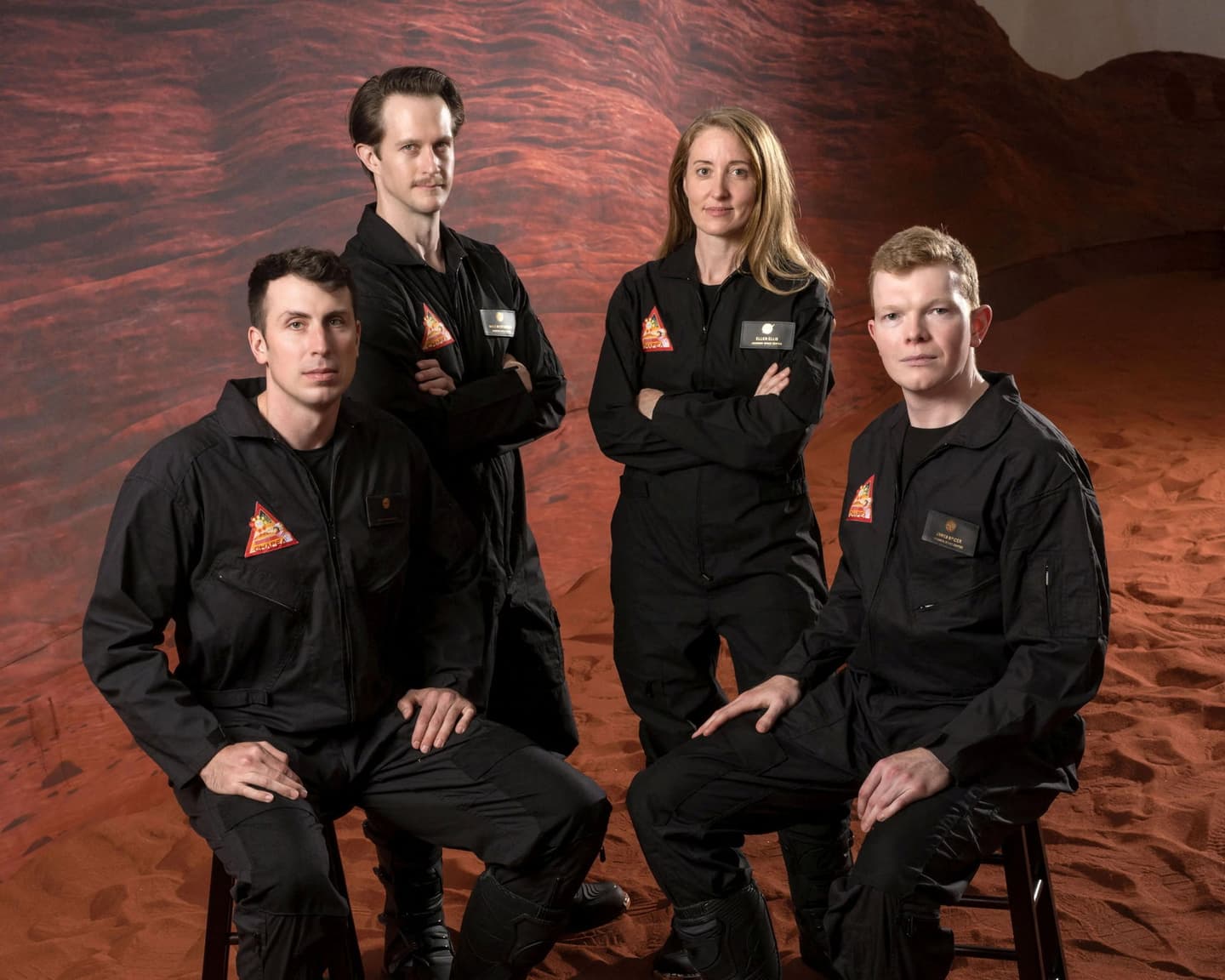
NASA/Reuters




What Happened
Key Implications
What Happened
Key Implications
Where Sources Agree
- arrows_inputMission Completion Confirmed: Reporting establishes that the four-person CHAPEA crew successfully completed their 378-day Mars simulation mission, exiting the habitat at the Johnson Space Center on October 31, 2026, according to NASA official reports.
- arrows_inputPost-Mission Evaluation Process: Most sources document that the CHAPEA crew will undergo two weeks of post-mission evaluations and extensive debriefings with NASA scientists to collect critical baseline health and performance data, according to NASA scientists.
- arrows_inputFuture Exploration Goals: Most sources align on NASA’s strategic objective to establish a permanent lunar outpost by 2032, following a planned human landing on the Moon in 2028, to advance long-term Mars exploration goals, according to NASA strategic plans.
Where Sources Disagree
- arrows_outputMission Duration Discrepancy: Most reports state the CHAPEA mission lasted 378 days; however, other coverage characterizes the duration as nearly 380 days.
- arrows_outputMission Emphasis: Science vs. Isolation: NASA officials emphasize the mission's role in gathering critical scientific data to prepare for future Mars exploration. In contrast, crew accounts and some reports highlight the experience of extreme isolation, sensory deprivation, and 'captivity' during their year-long stay.
Timeline
October 31, 2026
Post‑Mission Evaluations and Future Plans: After egress the crew began two weeks of post‑mission evaluations and debriefing to collect baseline health and performance data, which NASA says will inform future long‑duration missions and the planned transition to a broader Moon and Mars Exploration Analog (MMEA) and lunar base planning. Officials framed CHAPEA lessons as foundational for upcoming Artemis and deep‑space efforts.
October 31, 2026
Crew Emerged After 378 Days: The four CHAPEA mission 2 members exited the habitat and stepped outside the Johnson Space Center on October 31, 2026, concluding a 378‑day simulated Mars mission and reuniting with families who had communicated only via delayed messages during the assignment.
October 31, 2026
Simulated Communication Blackout and Delays: During the mission NASA simulated interplanetary communications: message round trips could take up to 44 minutes, and at one point the crew endured a full two‑week communication blackout to mimic a realistic Mars-Earth solar conjunction. Investigators cited this sensory‑deprivation and isolation as key stressors studied.
Summary by Ground AI
Sources
See All 95A varied selection of sources chosen by Ground to reflect the diversity of this story’s coverage.
Most Written About
The stories getting the most coverage from the last 24 hours





Timeline
October 31, 2026
Post‑Mission Evaluations and Future Plans: After egress the crew began two weeks of post‑mission evaluations and debriefing to collect baseline health and performance data, which NASA says will inform future long‑duration missions and the planned transition to a broader Moon and Mars Exploration Analog (MMEA) and lunar base planning. Officials framed CHAPEA lessons as foundational for upcoming Artemis and deep‑space efforts.
October 31, 2026
Crew Emerged After 378 Days: The four CHAPEA mission 2 members exited the habitat and stepped outside the Johnson Space Center on October 31, 2026, concluding a 378‑day simulated Mars mission and reuniting with families who had communicated only via delayed messages during the assignment.
October 31, 2026
Simulated Communication Blackout and Delays: During the mission NASA simulated interplanetary communications: message round trips could take up to 44 minutes, and at one point the crew endured a full two‑week communication blackout to mimic a realistic Mars-Earth solar conjunction. Investigators cited this sensory‑deprivation and isolation as key stressors studied.


