U.S. Embassy Warns of Diarrheal Illness Spike Across Cuba
Cuba
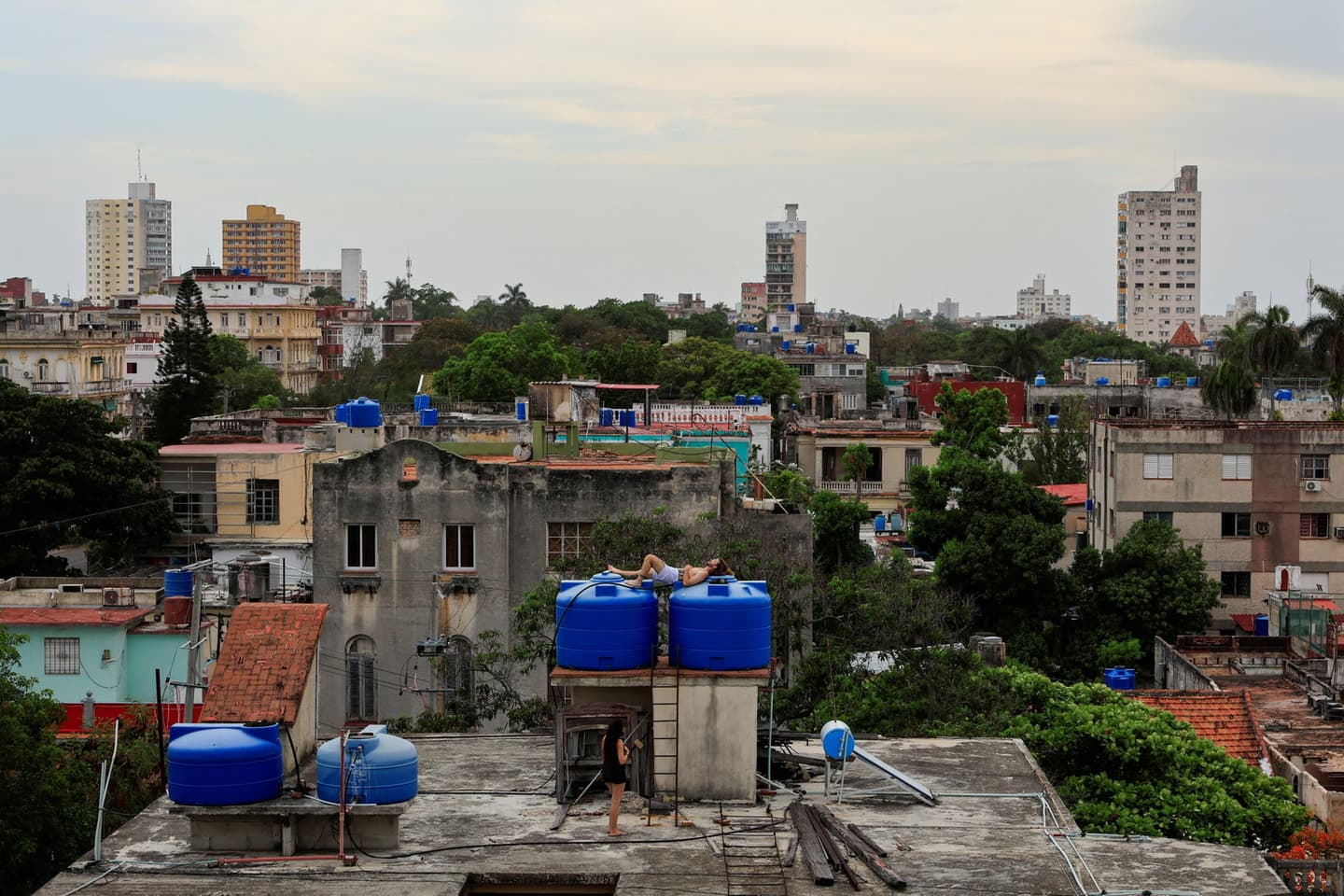
Norlys Perez/Reuters




What Happened
Key Implications
What Happened
Key Implications
Where Sources Agree
- arrows_inputU.S. Embassy Health Alert: Coverage confirms the U.S. Embassy in Havana issued a health alert on September 4, 2026, noting a significant increase in diarrheal illnesses across Cuba driven by failing water and energy infrastructure, according to U.S. Embassy Havana.
- arrows_inputInfrastructure Degradation Linked to Illness: Sources verify the U.S. Embassy in Havana links a significant rise in diarrheal illnesses to the continued degradation of the island's water and energy infrastructure, which impairs both water supply and food storage, per the official health alert.
Where Sources Disagree
- arrows_outputHealth Alert Contextualization: Some outlets report the U.S. health alert in the context of the American fuel blockade and sanctions, linking these to power outages and food spoilage. In contrast, other sources emphasize the U.S. Embassy’s stated connection between the rise in illness and the ongoing deterioration of Cuba’s local water and energy infrastructure.
Timeline
September 04, 2026
U.S. Embassy Issues Health Alert: On September 4, 2026 the U.S. Embassy in Havana issued a health alert reporting a significant increase in diarrheal illnesses across Cuba, linking the spike to deterioration of the island's water and energy infrastructure and advising avoidance of tap water, caution with perishable foods, and carrying basic medicines and oral rehydration solutions amid local shortages. The alert noted increased detection of pathogens including E. coli, norovirus and Shigella and emphasized infrastructure-driven impacts on water supply and food refrigeration.
August 01, 2026
UN Warns Disease Outbreak Risk: In August 2026, U.N.-appointed experts warned that tightened U.S. sanctions and a fuel blockade raised the risk of disease outbreaks, saying humanitarian consequences were unfolding into a crisis threatening rights to health, food and development. The experts explicitly connected the sanctions and fuel restrictions to growing public-health risks.
July 01, 2026
Residents Report Gastrointestinal Illnesses: In July 2026 Periódico Cubano and other reporting documented increased cases of vomiting and diarrhea across parts of Havana, with residents blaming water supply problems, garbage accumulation and prolonged power outages. These complaints reflected months of widespread illnesses causing several days of diarrhea, fever and body aches.
Summaries by Ground AI
Sources
See All 37Most Written About
The stories getting the most coverage from the last 24 hours


Timeline
September 04, 2026
U.S. Embassy Issues Health Alert: On September 4, 2026 the U.S. Embassy in Havana issued a health alert reporting a significant increase in diarrheal illnesses across Cuba, linking the spike to deterioration of the island's water and energy infrastructure and advising avoidance of tap water, caution with perishable foods, and carrying basic medicines and oral rehydration solutions amid local shortages. The alert noted increased detection of pathogens including E. coli, norovirus and Shigella and emphasized infrastructure-driven impacts on water supply and food refrigeration.
August 01, 2026
UN Warns Disease Outbreak Risk: In August 2026, U.N.-appointed experts warned that tightened U.S. sanctions and a fuel blockade raised the risk of disease outbreaks, saying humanitarian consequences were unfolding into a crisis threatening rights to health, food and development. The experts explicitly connected the sanctions and fuel restrictions to growing public-health risks.
July 01, 2026
Residents Report Gastrointestinal Illnesses: In July 2026 Periódico Cubano and other reporting documented increased cases of vomiting and diarrhea across parts of Havana, with residents blaming water supply problems, garbage accumulation and prolonged power outages. These complaints reflected months of widespread illnesses causing several days of diarrhea, fever and body aches.


