Judge Dismisses Trump Administration Lawsuit Over Harvard Admissions Records
Massachusetts, US
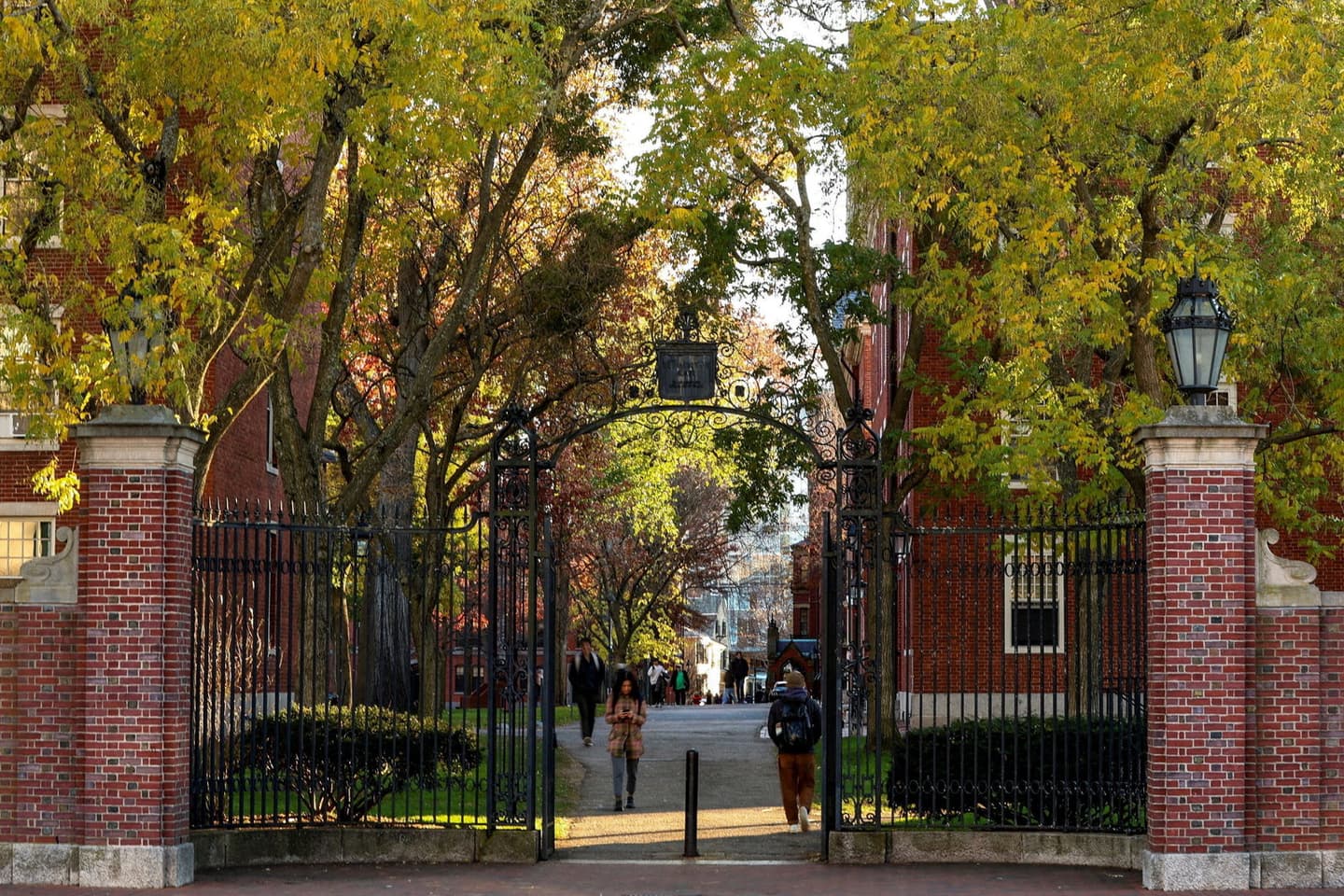
Reba Saldanha/Reuters
Source Analysis




What Happened
What Happened
Where Sources Disagree
- arrows_outputLawsuit Motivation Framing: Some sources frame the administration’s lawsuit as a response to allegations of anti-Jewish bias on campus. Conversely, other reports emphasize that the administration sought the records specifically to investigate whether Harvard continues to consider race in its student admissions process.
- arrows_outputLawsuit Motivation Framing: Harvard officials characterize the dismissed lawsuit as unconstitutional retaliation for the university's refusal to adopt the administration's ideological agenda. In contrast, the court ruling emphasizes that the dismissal was necessitated by the Justice Department’s failure to adhere to mandatory procedural steps before pursuing judicial enforcement.
Timeline
November 2, 2026
Ruling cites procedural shortcomings: Joun concluded the agencies failed to take required administrative steps to secure voluntary compliance — for example, not informing Harvard that litigation would follow or specifying the identified failures — and noted the decision did not end the underlying dispute or prevent the government from refiled action after corrective steps. Harvard said it had provided more than 2,000 pages of documents while guarding individualized records as privileged.
November 2, 2026
Federal judge dismisses lawsuit: On November 2, 2026, U.S. District Judge Myong Joun dismissed the Trump administration’s lawsuit seeking Harvard’s admissions records, finding the government had not met the prerequisites for judicial enforcement. The dismissal was framed as a procedural ruling and did not resolve whether Harvard had discriminated.
February 2026
DOJ files records lawsuit: The Justice Department filed a lawsuit in February seeking five years of applicant-level admissions records from Harvard — including grades, test scores, essays, extracurricular activities, admissions outcomes and race/ethnicity — alleging the university ‘thwarted’ and ‘slow-walked’ a federal civil rights review. The complaint argued the data were needed to determine compliance with Title VI and the Supreme Court’s 2023 decision.
Summary by Ground AI
Sources
See All 103A varied selection of sources chosen by Ground to reflect the diversity of this story’s coverage.
Most Written About
The stories getting the most coverage from the last 24 hours


Source Analysis
Timeline
November 2, 2026
Ruling cites procedural shortcomings: Joun concluded the agencies failed to take required administrative steps to secure voluntary compliance — for example, not informing Harvard that litigation would follow or specifying the identified failures — and noted the decision did not end the underlying dispute or prevent the government from refiled action after corrective steps. Harvard said it had provided more than 2,000 pages of documents while guarding individualized records as privileged.
November 2, 2026
Federal judge dismisses lawsuit: On November 2, 2026, U.S. District Judge Myong Joun dismissed the Trump administration’s lawsuit seeking Harvard’s admissions records, finding the government had not met the prerequisites for judicial enforcement. The dismissal was framed as a procedural ruling and did not resolve whether Harvard had discriminated.
February 2026
DOJ files records lawsuit: The Justice Department filed a lawsuit in February seeking five years of applicant-level admissions records from Harvard — including grades, test scores, essays, extracurricular activities, admissions outcomes and race/ethnicity — alleging the university ‘thwarted’ and ‘slow-walked’ a federal civil rights review. The complaint argued the data were needed to determine compliance with Title VI and the Supreme Court’s 2023 decision.


