California Rejects Billionaire Wealth Tax Proposal After Massive Opposition Funding
California, US
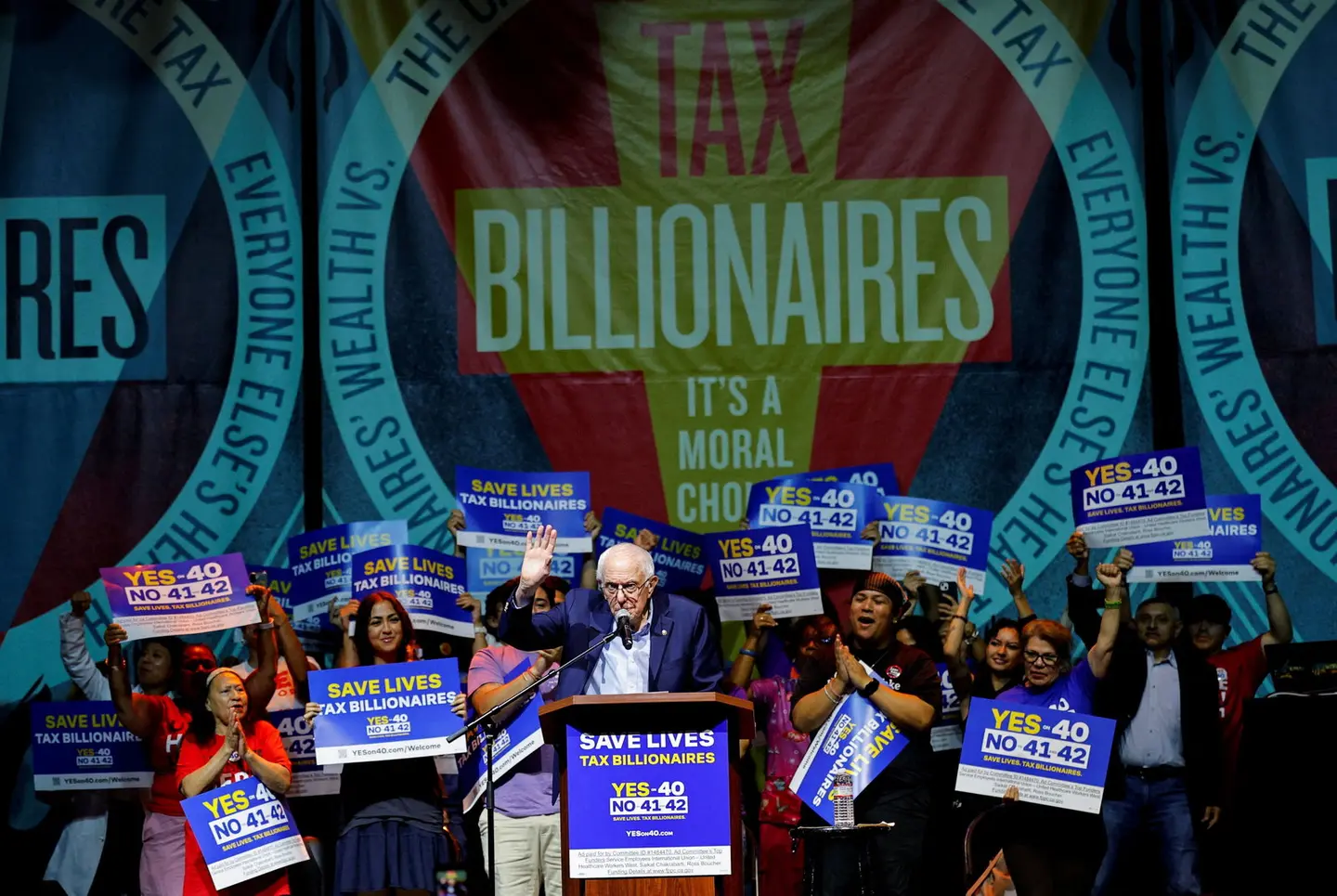
Mike Blake/Reuters
Source Analysis




What Happened
What Happened
Timeline
November 10, 2026
Aftermath and continued debate: Post-election disclosures showed over $400 million spent on the measures (more than 90% opposing), sponsors vowed to revisit billionaire taxation (promising a 2028 ballot if state action fails), and advocates warned that rejecting the measure could exacerbate healthcare cuts and budget strains as hospitals face service reductions. Opponents called the vote the right decision for economic stability, while supporters signaled the broader debate over taxing the rich would continue.
November 9, 2026
Election and official rejection: California voters rejected the one-time billionaire tax at the ballot, with NBC News and the Associated Press projecting and declaring the measure defeated; roughly 53% voted against while 47% voted for it, though pockets of support remained in Los Angeles and San Francisco. Supporters and notable backers had campaigned in November rallies ahead of Election Day.
October 2026
Billionaire-funded opposition surge: In late October opponents massively outspent supporters (about 250-to-1 on ads), with more than $400 million spent on the three intertwined ballot measures and billionaire donors — including Sergey Brin — pouring hundreds of millions into groups opposing the tax; some wealthy figures (e.g., Brin, Page) moved out of California amid the fight. Critics across parties and major unions warned the tax could prompt wealthy residents to leave and harm the state economy.
Perspectives and Debates
Summary by Ground AI
Sources
See All 400A varied selection of sources chosen by Ground to reflect the diversity of this story’s coverage.
Most Written About
The stories getting the most coverage from the last 24 hours


Source Analysis
Timeline
November 10, 2026
Aftermath and continued debate: Post-election disclosures showed over $400 million spent on the measures (more than 90% opposing), sponsors vowed to revisit billionaire taxation (promising a 2028 ballot if state action fails), and advocates warned that rejecting the measure could exacerbate healthcare cuts and budget strains as hospitals face service reductions. Opponents called the vote the right decision for economic stability, while supporters signaled the broader debate over taxing the rich would continue.
November 9, 2026
Election and official rejection: California voters rejected the one-time billionaire tax at the ballot, with NBC News and the Associated Press projecting and declaring the measure defeated; roughly 53% voted against while 47% voted for it, though pockets of support remained in Los Angeles and San Francisco. Supporters and notable backers had campaigned in November rallies ahead of Election Day.
October 2026
Billionaire-funded opposition surge: In late October opponents massively outspent supporters (about 250-to-1 on ads), with more than $400 million spent on the three intertwined ballot measures and billionaire donors — including Sergey Brin — pouring hundreds of millions into groups opposing the tax; some wealthy figures (e.g., Brin, Page) moved out of California amid the fight. Critics across parties and major unions warned the tax could prompt wealthy residents to leave and harm the state economy.


