Ceuta Seeks National Emergency as Thousands Enter Spanish Territory
Spain
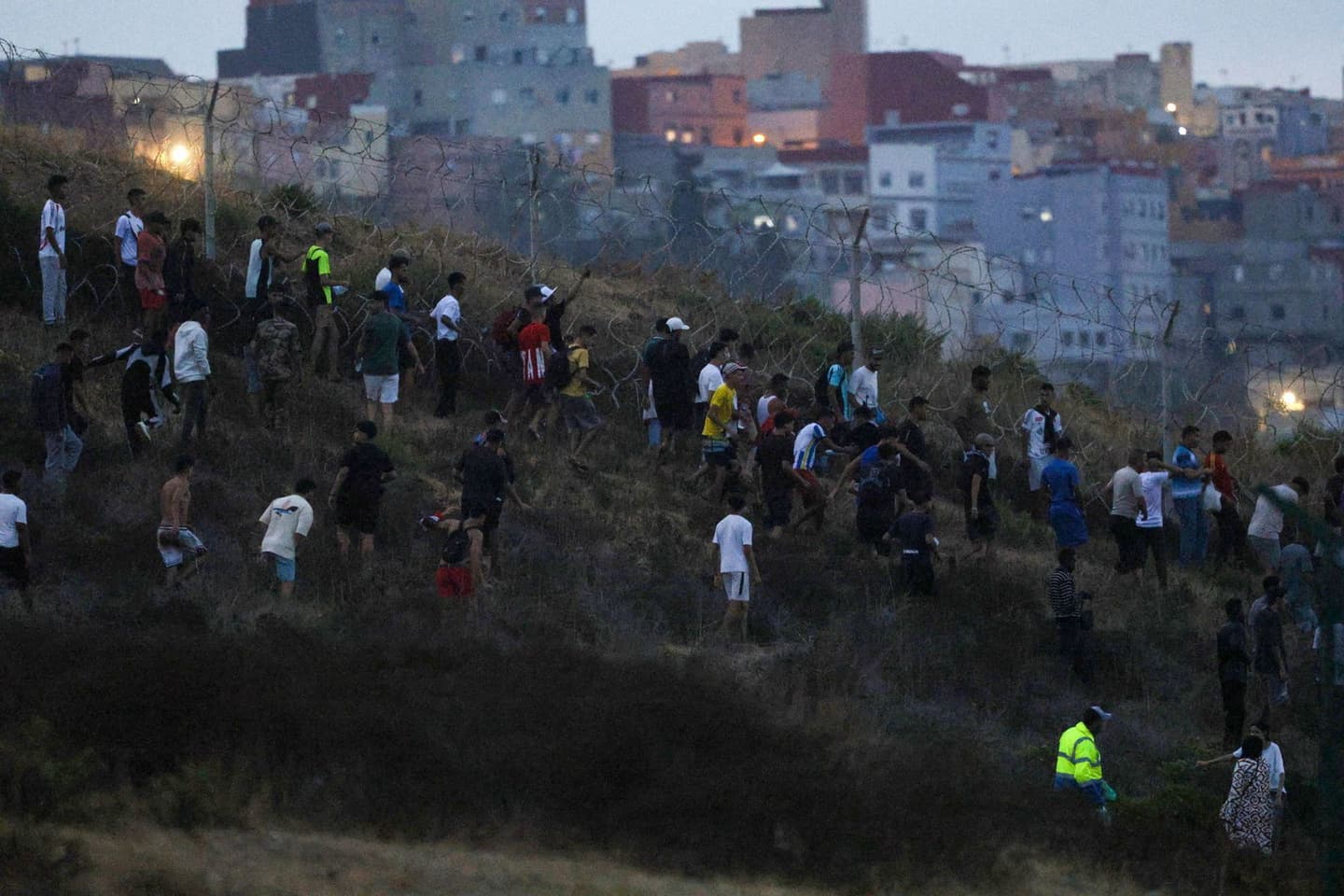
Abdelmajid BZIOUAT / AFP via Getty Images/Getty




What Happened
What Happened
Where Sources Agree
- arrows_inputMilitary Deployment and Government Response: A portion of reporting indicates Spain is deploying 60 troops to the border of Ceuta to bolster security following a significant migrant surge, although the government has rejected calls to declare a national emergency, according to official sources.
- arrows_inputBorder Breach and Military Response: A number of outlets note that thousands of migrants breached the Ceuta border, prompting the deployment of military reinforcements to restore order, per government announcements.
- arrows_inputMilitary Deployment Confirmed: Various sources establish that Spain is deploying the Armed Forces to Ceuta to reinforce border security following a surge of thousands of migrants, though the Interior Ministry has declined local requests to formally declare a national emergency, according to official government statements.
Where Sources Disagree
- arrows_outputCause of Migrant Surge: Sources differ on the primary driver of the migrant surge in Ceuta: some officials and outlets cite a recent Supreme Court ruling barring summary sea returns, while others emphasize the influence of human-smuggling networks and the government's broad migrant regularization policies.
- arrows_outputMigrant Group Composition: While some outlets highlight the presence of families, women, and children among the migrants, others emphasize that the majority of arrivals are young men of military age.
- arrows_outputBorder Event Characterization: Conservative outlets characterize the mass arrival of migrants in the Spanish enclave of Ceuta as an 'invasion,' whereas mainstream and international reports describe the event as a 'migrant surge' or humanitarian crisis.
Timeline
July 30, 2026
Scale, impact and international fallout: Officials warned the enclave's reception system was overwhelmed (facilities for unaccompanied minors reported operating far beyond capacity), with dozens having died this year and about 60 bodies spotted at sea over the past year; the surge prompted EU and regional political reactions and pledges by Spain and Morocco to return illegal arrivals. Reporters and officials repeatedly compared the episode to the May 2021 crisis when thousands entered Ceuta in days.
July 30, 2026
Government deploys Armed Forces: Facing calls from Ceuta's leader to declare a national emergency, Madrid announced it would send the Armed Forces to assist the Civil Guard, and Prime Minister Pedro Sánchez and Interior Minister Fernando Grande‑Marlaska planned to visit Ceuta to evaluate the situation. The Interior Ministry said it would guarantee citizen safety while coordinating with Moroccan authorities.
July 30, 2026
Crossings accelerate past 2,000: The influx intensified on Thursday as arrivals climbed past 2,000 (state and local figures cited 2,000–3,000), adding to a week that had already seen about 1,500 sea arrivals and prompting comparisons to the large May 2021 influx. Spain's Interior Ministry declined to confirm the precise totals pending its Aug. 3 migration report.
Perspectives and Debates
Summaries by Ground AI
Sources
See All 559Most Written About
The stories getting the most coverage from the last 24 hours





Timeline
July 30, 2026
Scale, impact and international fallout: Officials warned the enclave's reception system was overwhelmed (facilities for unaccompanied minors reported operating far beyond capacity), with dozens having died this year and about 60 bodies spotted at sea over the past year; the surge prompted EU and regional political reactions and pledges by Spain and Morocco to return illegal arrivals. Reporters and officials repeatedly compared the episode to the May 2021 crisis when thousands entered Ceuta in days.
July 30, 2026
Government deploys Armed Forces: Facing calls from Ceuta's leader to declare a national emergency, Madrid announced it would send the Armed Forces to assist the Civil Guard, and Prime Minister Pedro Sánchez and Interior Minister Fernando Grande‑Marlaska planned to visit Ceuta to evaluate the situation. The Interior Ministry said it would guarantee citizen safety while coordinating with Moroccan authorities.
July 30, 2026
Crossings accelerate past 2,000: The influx intensified on Thursday as arrivals climbed past 2,000 (state and local figures cited 2,000–3,000), adding to a week that had already seen about 1,500 sea arrivals and prompting comparisons to the large May 2021 influx. Spain's Interior Ministry declined to confirm the precise totals pending its Aug. 3 migration report.


