Zelenskyy Says Trump Waiver Will Embolden Moscow
Ukraine
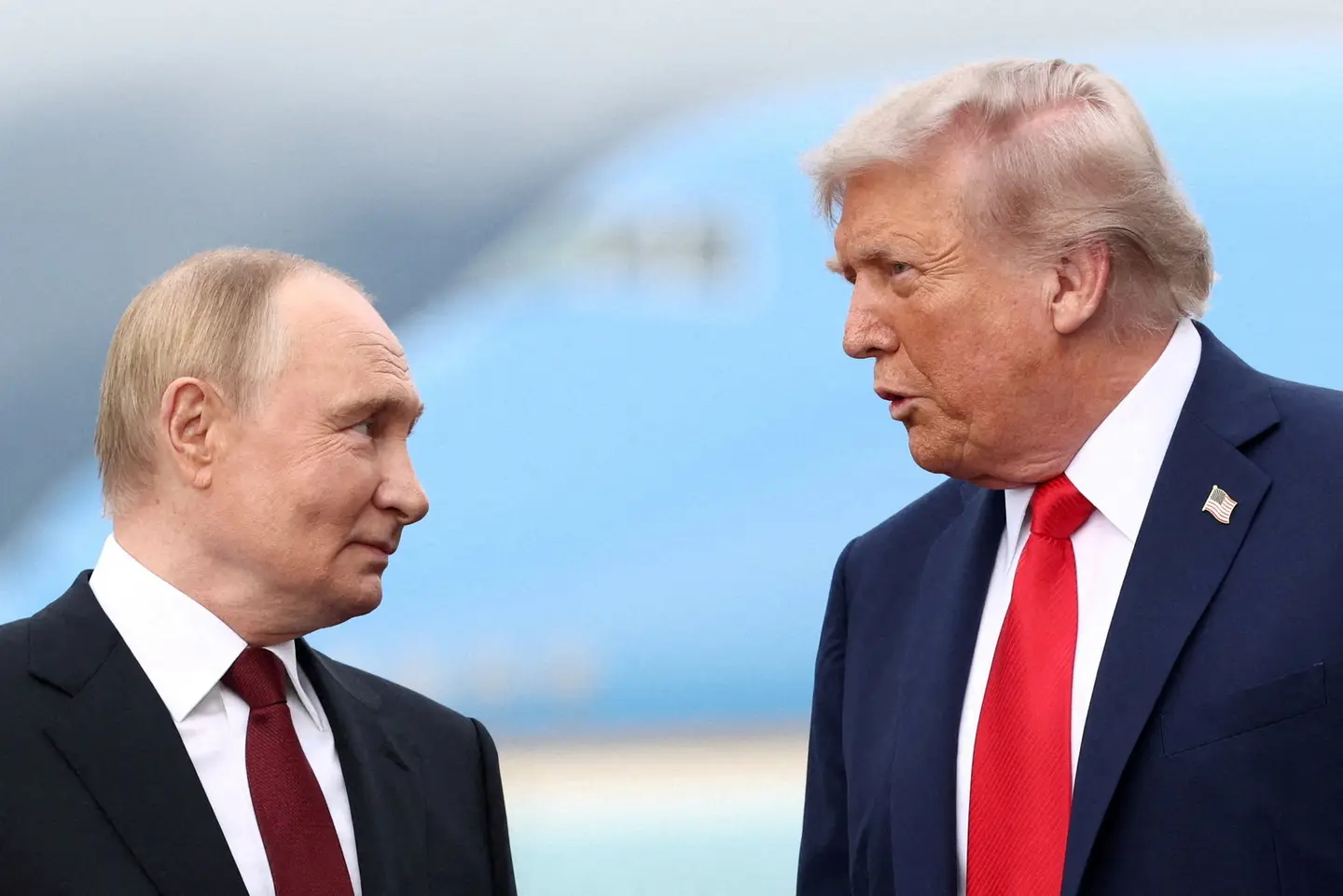
Kevin Lamarque/Reuters




What Happened
What Happened
Where Sources Agree
- arrows_inputSanctions Waiver Confirmed: Outlets concur that President Trump issued an executive order on October 16 waiving key Russia-related sanctions and tariffs, including penalties on oil and gas purchases, after declaring the move was in the national interest of the United States.
- arrows_inputZelensky Condemns Sanctions Waiver: Coverage documents confirm that Ukrainian President Volodymyr Zelensky criticized President Trump’s executive order waiving sanctions on Russia as "wrong," asserting the decision benefits Moscow while failing to deter the ongoing conflict, according to his recent public statements.
Where Sources Disagree
- arrows_outputSanctions Waiver Justification: The White House defends the sanctions waiver as a necessary measure to protect US consumers from rising energy costs, whereas Ukrainian leadership condemns the move as a strategic surrender to Putin that betrays their nation's security.
- arrows_outputImpact of Sanctions Waiver: Ukrainian leadership characterizes the sanctions waiver as a betrayal that emboldens Russian aggression and fuels further attacks. Conversely, Russian envoys describe the decision as a historic reprieve, arguing that the sanctions would have effectively halted necessary economic cooperation between the two nations.
Timeline
October 18, 2026
Reactions and ramifications reported: Following the waiver Moscow hailed the move while the White House defended it as serving U.S. national interests; analysts and officials warned the suspension could weaken U.S. leverage over Russia and reflected competing domestic and international calculations about energy prices and ties with major buyers like China and India. Reports also noted related strains—brief U.S. intelligence interruptions and limits on Starlink/Starshield—that Kyiv linked to pressure dynamics between Washington, SpaceX and Moscow.
October 17, 2026
Zelenskyy condemns waiver: On Oct. 17, 2026 Ukrainian President Volodymyr Zelenskyy publicly criticized the decision as "wrong," saying it emboldens Vladimir Putin and "definitely helps only the Russians," and noted Russia had struck more than 15 power generation and transmission sites on Oct. 16. He and other Ukrainian officials warned easing pressure on Moscow would not stop the war.
October 16, 2026
Trump waives sanctions by executive order: On Oct. 16, 2026 Trump issued an executive order that effectively waived key Russia-related sanctions and tariffs that had been scheduled to take effect next week under the Graham Act, saying the move was in the national interest and keeping the waiver in place until officials decide further action is appropriate. The order removed the immediate threat of punitive tariffs on buyers of Russian energy.
Perspectives and Debates
Is the U.S.-Ukraine relationship rupturing or still salvageable?
Summary by Ground AI
Sources
See All 219A varied selection of sources chosen by Ground to reflect the diversity of this story’s coverage.
Most Written About
The stories getting the most coverage from the last 24 hours



Timeline
October 18, 2026
Reactions and ramifications reported: Following the waiver Moscow hailed the move while the White House defended it as serving U.S. national interests; analysts and officials warned the suspension could weaken U.S. leverage over Russia and reflected competing domestic and international calculations about energy prices and ties with major buyers like China and India. Reports also noted related strains—brief U.S. intelligence interruptions and limits on Starlink/Starshield—that Kyiv linked to pressure dynamics between Washington, SpaceX and Moscow.
October 17, 2026
Zelenskyy condemns waiver: On Oct. 17, 2026 Ukrainian President Volodymyr Zelenskyy publicly criticized the decision as "wrong," saying it emboldens Vladimir Putin and "definitely helps only the Russians," and noted Russia had struck more than 15 power generation and transmission sites on Oct. 16. He and other Ukrainian officials warned easing pressure on Moscow would not stop the war.
October 16, 2026
Trump waives sanctions by executive order: On Oct. 16, 2026 Trump issued an executive order that effectively waived key Russia-related sanctions and tariffs that had been scheduled to take effect next week under the Graham Act, saying the move was in the national interest and keeping the waiver in place until officials decide further action is appropriate. The order removed the immediate threat of punitive tariffs on buyers of Russian energy.


