London Surgeons Use Live AI to Remove Brain Tumour
United Kingdom
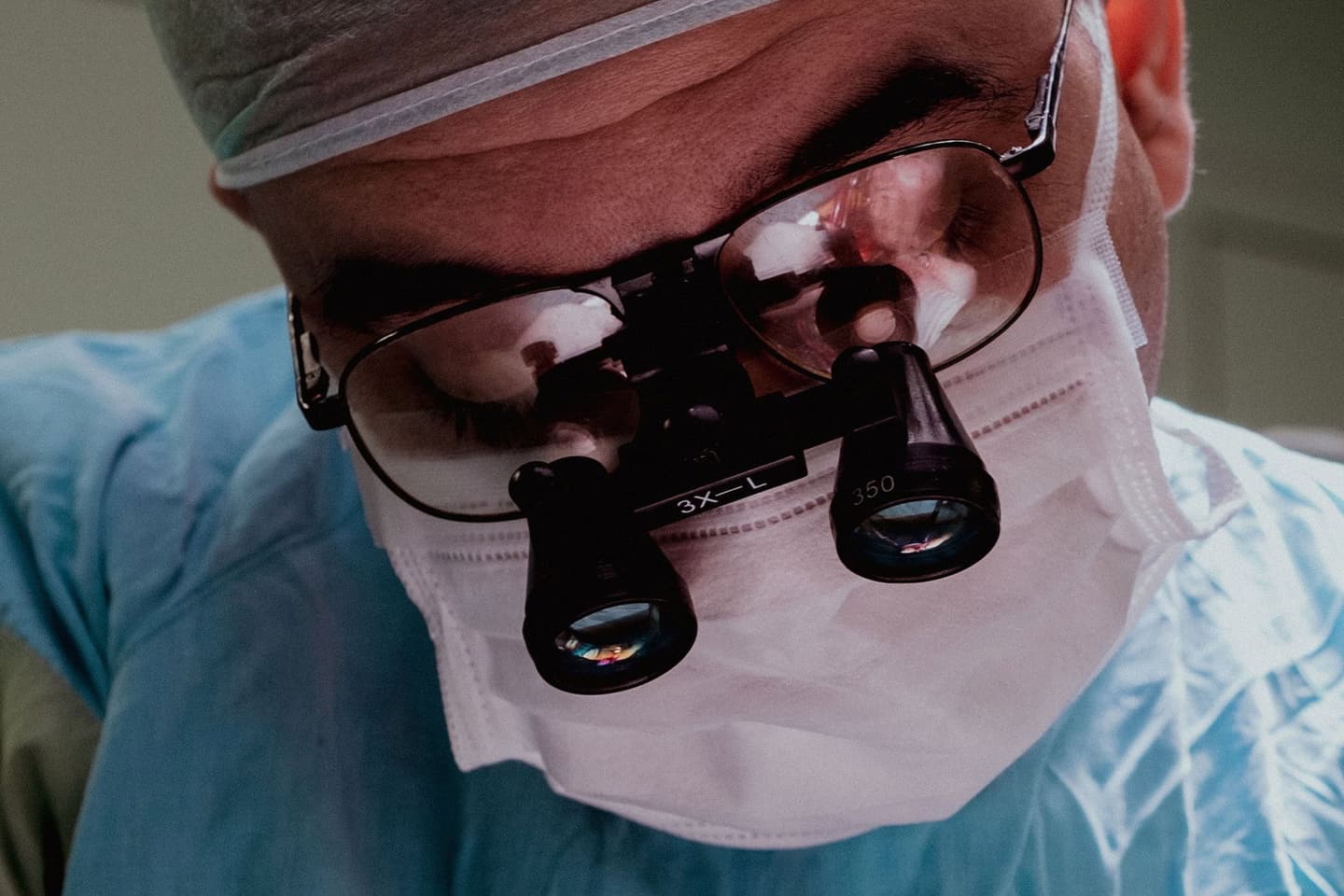
Javid Hashimov/Pexels




What Happened
Key Implications
What Happened
Key Implications
Where Sources Agree
- arrows_inputAI-Assisted Tumor Removal: Some outlets verify that surgeons successfully removed an 11mm pituitary tumor from 48-year-old patient Rhys Hibbert, preserving his vision, per clinical reports and patient statements.
- arrows_inputAI Procedure and Surgeon Control: Multiple accounts detail that artificial intelligence analyzed live surgical video to color-code critical anatomy for the operating team, while surgeons maintained full authority over all decisions, according to the surgical team and university reports.
- arrows_inputAI Technology Development: Some coverage highlights the AI technology as a tool developed at the UCL Hawkes Institute, funded by the NIHR and Google, and trained on hundreds of surgical videos, according to institutional announcements.
Where Sources Disagree
- arrows_outputWorld's First AI Surgery: While initial coverage characterizes the brain tumor procedure as the world’s first AI-assisted surgery, some reports clarify that surgeons at St Mark’s Hospital had already utilized a similar AI tool for bowel surgeries earlier this summer.
- arrows_outputFunding Disclosure Details: Reports vary slightly on the trial's funding sources, with some outlets noting support from both the National Institute for Health and Care Research and Google, while others cite only the NIHR.
- arrows_outputAI Surgical Capabilities Emphasis: While some reports emphasize the AI’s ability to color-code and segment critical anatomy for identification, others focus on the system’s capacity to track surgical instruments and their interactions with tissue during the procedure.
Timeline
August 27, 2026
Successful Outcome and Public Announcement: Doctors successfully removed the tumour without harming Hibbert's eyesight; he reported dramatically improved vision and recovery within weeks and returned to work, and details of the May operation were released publicly in late August while the patient recovered. The team emphasized surgeons retained full control and the AI acted as a real-time support tool.
May, 2026
Trial Funding and Oversight: The procedure was carried out as part of a clinical trial funded by the National Institute for Health and Care Research (NIHR) with support from Google and other bodies, and the team said the current trial moved the technology from training into live surgical support. The system used in the operation has not been publicly named and no full outcome metrics from the procedure were released.
May, 2026
First Live AI-Assisted Surgery: In May the surgical team at the National Hospital for Neurology and Neurosurgery used a real-time AI system to colour-code and segment tiny anatomical structures while removing Hibbert's pituitary tumour via an endoscope inserted through his nose. The operation was the first reported occasion the in‑house UCL system was applied to a live patient.
Summaries by Ground AI
Sources
See All 55Most Written About
The stories getting the most coverage from the last 24 hours


Timeline
August 27, 2026
Successful Outcome and Public Announcement: Doctors successfully removed the tumour without harming Hibbert's eyesight; he reported dramatically improved vision and recovery within weeks and returned to work, and details of the May operation were released publicly in late August while the patient recovered. The team emphasized surgeons retained full control and the AI acted as a real-time support tool.
May, 2026
Trial Funding and Oversight: The procedure was carried out as part of a clinical trial funded by the National Institute for Health and Care Research (NIHR) with support from Google and other bodies, and the team said the current trial moved the technology from training into live surgical support. The system used in the operation has not been publicly named and no full outcome metrics from the procedure were released.
May, 2026
First Live AI-Assisted Surgery: In May the surgical team at the National Hospital for Neurology and Neurosurgery used a real-time AI system to colour-code and segment tiny anatomical structures while removing Hibbert's pituitary tumour via an endoscope inserted through his nose. The operation was the first reported occasion the in‑house UCL system was applied to a live patient.


