U.S. Carries Out Limited Strikes on Iran’s Qeshm Island
Iran
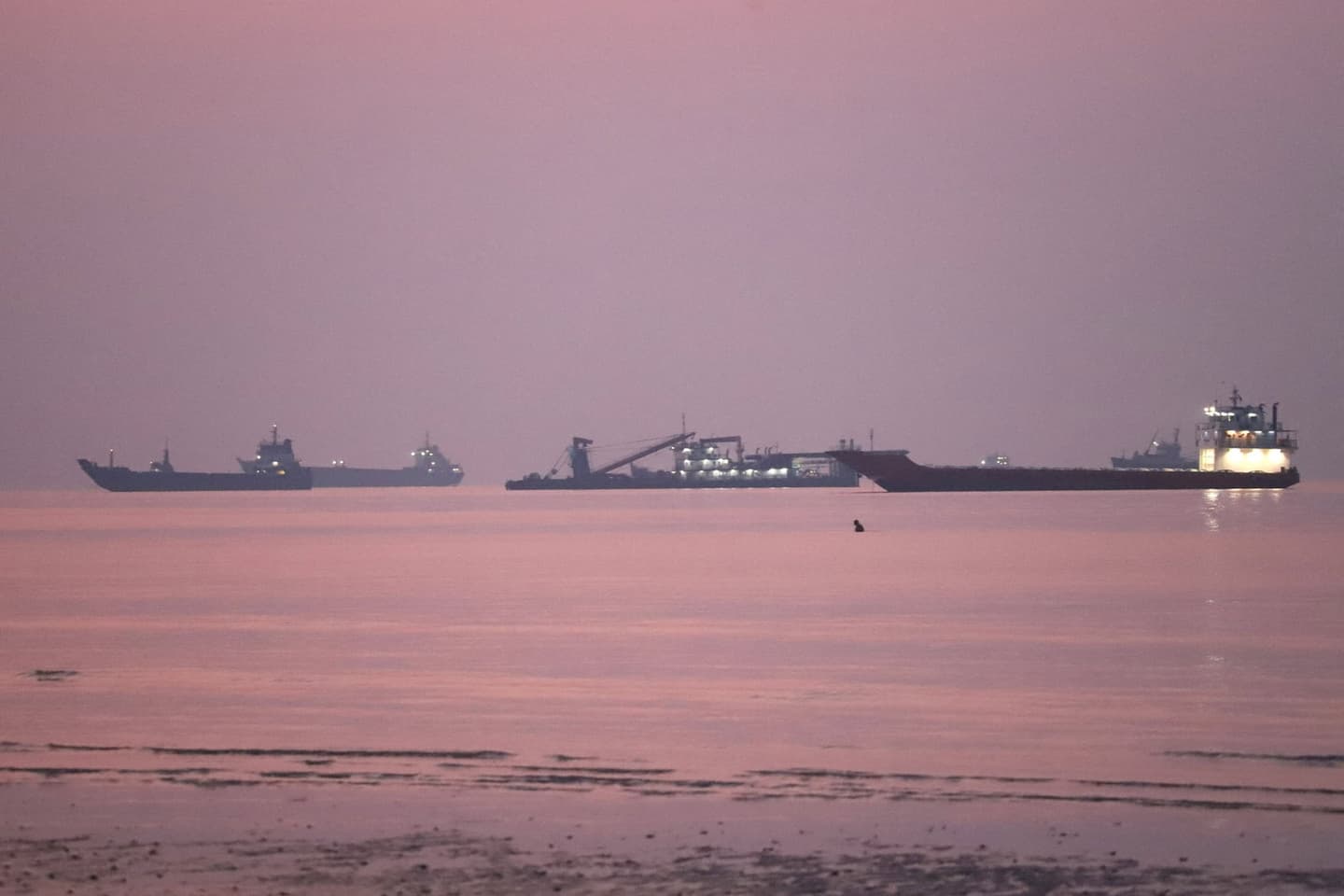
Amirhosein Khorgooi/ISNA/via WAN/Reuters




What Happened
What Happened
Where Sources Disagree
- arrows_outputMilitary Engagement Origins: US officials maintain that recent strikes on Qeshm Island were defensive responses to Iranian missile fire against American aircraft. In contrast, Iranian sources claim their forces successfully engaged and shot down US drones, presenting the military activity as a response to US aggression.
- arrows_outputMilitary Strike Characterization: US officials characterize the strikes as limited, defensive measures intended to protect commercial shipping and assets in the Strait of Hormuz. Conversely, critics and Iranian sources describe the attacks as alarming, unauthorized escalations of an ongoing conflict.
Timeline
November 3, 2026
Casualties unconfirmed; talks ongoing: As of the latest reporting there were no reliable casualty figures released, and U.S.-Iran negotiations remained fluid with both sides still engaging through intermediaries even after the strikes. Vice President Vance and other U.S. officials continued to express guarded optimism about the prospects for a negotiated settlement.
November 3, 2026
Occurred amid talks, market reaction: The strikes occurred on the eve of U.S. midterm elections and amid backchannel negotiations—Vice President JD Vance and mediators signalled cautious optimism—while markets reacted, with oil prices moving sharply as hopes for diplomacy briefly rose and then were tempered by renewed military activity. Iranian officials warned of retaliation and negotiators continued reviewing proposals.
November 3, 2026
Strikes framed as limited, defensive: U.S. officials described the operation as limited and defensive, deliberately not publicized to avoid signaling a resumption of major combat operations, and stressed it did not mark a return to full-scale bombing. Media reporting and unnamed officials emphasized the strikes were meant to counter specific threats rather than start a broader campaign.
Perspectives and Debates
Summary by Ground AI
Sources
See All 833A varied selection of sources chosen by Ground to reflect the diversity of this story’s coverage.
Most Written About
The stories getting the most coverage from the last 24 hours


Timeline
November 3, 2026
Casualties unconfirmed; talks ongoing: As of the latest reporting there were no reliable casualty figures released, and U.S.-Iran negotiations remained fluid with both sides still engaging through intermediaries even after the strikes. Vice President Vance and other U.S. officials continued to express guarded optimism about the prospects for a negotiated settlement.
November 3, 2026
Occurred amid talks, market reaction: The strikes occurred on the eve of U.S. midterm elections and amid backchannel negotiations—Vice President JD Vance and mediators signalled cautious optimism—while markets reacted, with oil prices moving sharply as hopes for diplomacy briefly rose and then were tempered by renewed military activity. Iranian officials warned of retaliation and negotiators continued reviewing proposals.
November 3, 2026
Strikes framed as limited, defensive: U.S. officials described the operation as limited and defensive, deliberately not publicized to avoid signaling a resumption of major combat operations, and stressed it did not mark a return to full-scale bombing. Media reporting and unnamed officials emphasized the strikes were meant to counter specific threats rather than start a broader campaign.


