Trump Credits Netanyahu's Gains; Israel Faces Coalition Negotiations After Indecisive Election
United States
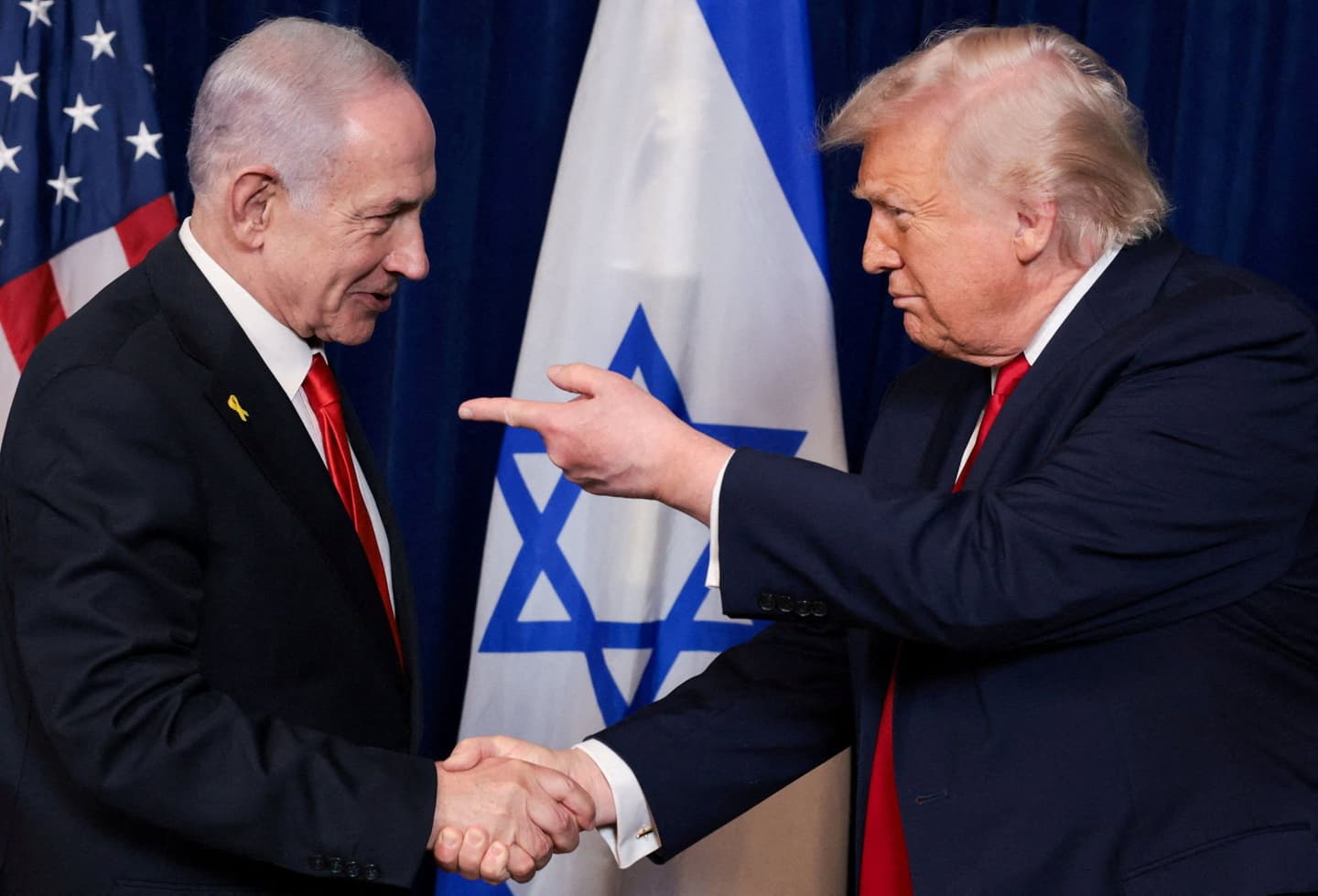
Jonathan Ernst/Reuters
Source Analysis




What Happened
What Happened
Where Right Sources Focus
- Trump's Endorsement Impact: Conservative outlets emphasize President Trump's claim that his endorsement "turned the tide" for Benjamin Netanyahu, transforming what appeared to be a decisive electoral defeat into a competitive comeback, citing Trump's Truth Social posts and statements to Axios.
- Iran Security Rhetoric: Right-leaning sources highlight Netanyahu's campaign messaging framing the election as a critical opportunity to neutralize an existential threat from Iran, featuring speeches and AI-generated imagery depicting potential attacks to emphasize the necessity of a strong, right-wing government.
Where Center Sources Focus
- Government Formation Deadlock: Center sources focus on the procedural challenges of forming a new government, noting that neither political bloc secured the 61-seat majority required, and highlighting President Herzog's upcoming role in selecting a candidate to avoid further elections.
- Arab Party Influence: Coverage from center outlets examines the potential kingmaker role of Arab parties, which hold 19 seats, while noting Netanyahu’s rejection of any partnership with them and the resulting political standoff.
What's Largely Absent from Each Side
- Right sources rarely mention: Right-leaning outlets largely omit the procedural complexities of government formation, specifically the role of President Herzog in tasking a candidate, focusing instead on the political narrative of Trump's endorsement. Center sources detail Herzog's authority to select a leader regardless of party size.
- Left sources rarely mention: Center sources largely omit Netanyahu's specific rhetorical framing of an existential threat from Iran, which Right outlets feature prominently as a central campaign message and security-focused rationale for his voters.
Rare Agreement
- Election Stalemate Facts: Despite asymmetric coverage, sources across the spectrum agree that the Likud party failed to secure the 61-seat majority required for a governing coalition, necessitating complex negotiations to determine Israel's next government.
Timeline
October 29, 2026
Trump claims credit publicly: On October 29, 2026, President Trump publicly and on social platforms took credit for what he described as a dramatic turnaround, saying his endorsement "turned the whole tide" and claiming it helped improve Netanyahu's standing in the vote; he also suggested he might look into assisting coalition efforts. Multiple statements and posts from Trump and his accounts characterized the endorsement as decisive, though reporting noted no definitive evidence linking it to the shift.
October 29, 2026
Partial counts show Likud rebound: As ballots were counted on October 29, 2026, partial returns varied: with about 42% counted the Netanyahu bloc was projected at 57 seats, later tallies showed roughly 53–54 seats for Likud and its allies, leaving the right‑wing bloc short of the 61-seat majority. Emerging projections from Israeli media consistently put Likud and its allies around 53 seats versus roughly 48 for Eisenkot's bloc and about 16–19 for Arab parties.
October 27, 2026
Election day and exit polls: On October 27, 2026 (Tuesday) Israelis voted with turnout high, and initial exit polls produced no clear winner — showing Likud as the largest party while suggesting the anti-Netanyahu coalition held the edge and Arab-led parties expanded their representation. The exit polls left both major blocs short of the 61-seat majority needed to form a government.
Perspectives and Debates
Is the Israeli election outcome primarily a coalition-formation story or a prelude to a new offensive against Iran?
Summary by Ground AI
Sources
See All 64A varied selection of sources chosen by Ground to reflect the diversity of this story’s coverage.
Most Written About
The stories getting the most coverage from the last 24 hours


Source Analysis
Timeline
October 29, 2026
Trump claims credit publicly: On October 29, 2026, President Trump publicly and on social platforms took credit for what he described as a dramatic turnaround, saying his endorsement "turned the whole tide" and claiming it helped improve Netanyahu's standing in the vote; he also suggested he might look into assisting coalition efforts. Multiple statements and posts from Trump and his accounts characterized the endorsement as decisive, though reporting noted no definitive evidence linking it to the shift.
October 29, 2026
Partial counts show Likud rebound: As ballots were counted on October 29, 2026, partial returns varied: with about 42% counted the Netanyahu bloc was projected at 57 seats, later tallies showed roughly 53–54 seats for Likud and its allies, leaving the right‑wing bloc short of the 61-seat majority. Emerging projections from Israeli media consistently put Likud and its allies around 53 seats versus roughly 48 for Eisenkot's bloc and about 16–19 for Arab parties.
October 27, 2026
Election day and exit polls: On October 27, 2026 (Tuesday) Israelis voted with turnout high, and initial exit polls produced no clear winner — showing Likud as the largest party while suggesting the anti-Netanyahu coalition held the edge and Arab-led parties expanded their representation. The exit polls left both major blocs short of the 61-seat majority needed to form a government.


