DEA Issues First Federal Registrations to 900+ Medical Cannabis Dispensaries
United States
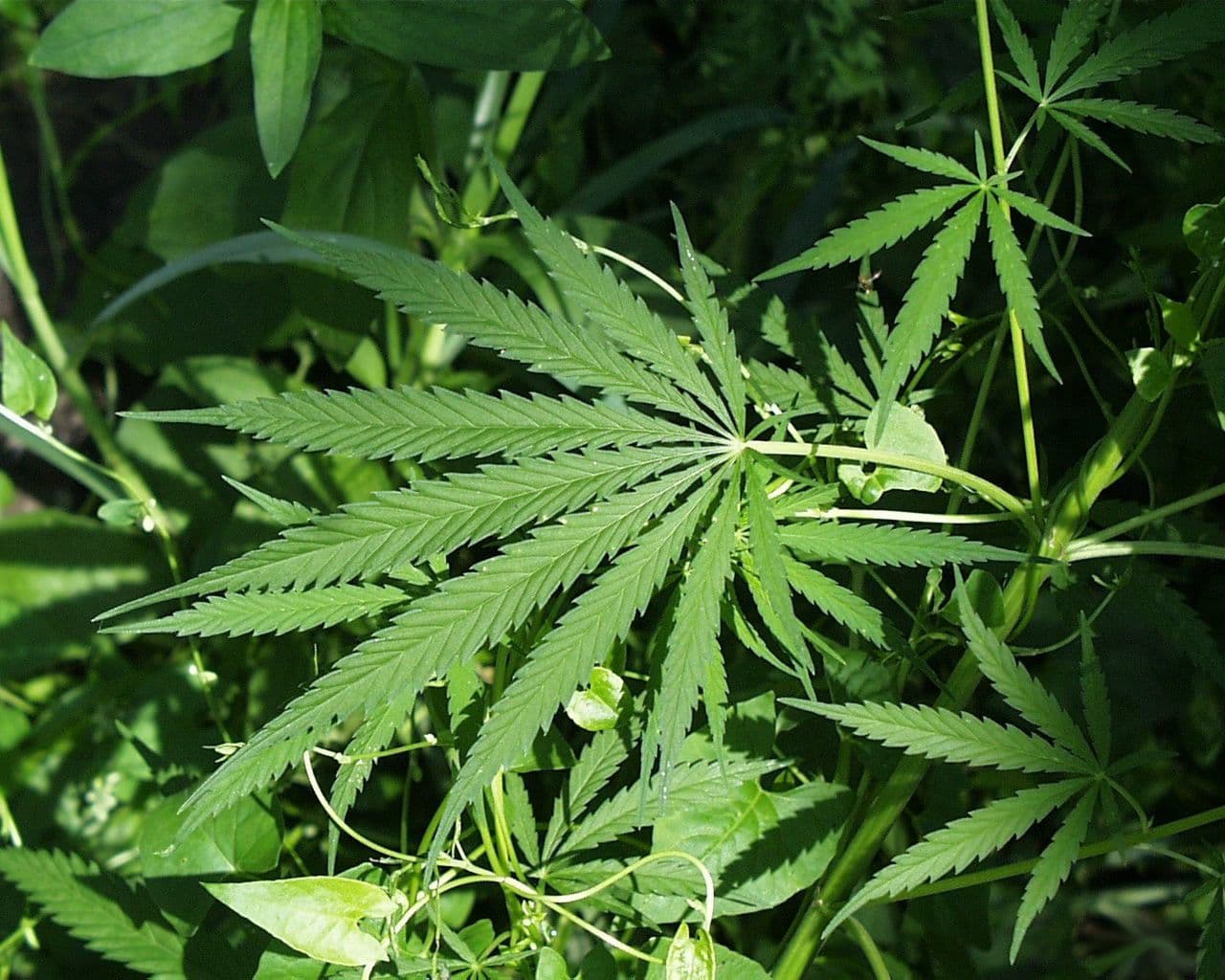
Wikipedia File Photo
Source Analysis




What Happened
What Happened
Where Sources Agree
- arrows_inputInitial Federal Cannabis Registrations: Multiple sources report that the DEA issued its first federal registrations to more than 900 state-licensed medical cannabis dispensaries on October 30, according to a Justice Department news release.
- arrows_inputMedical-Only Framework Scope: A portion of reporting indicates the new federal registrations are strictly limited to qualifying medical marijuana activities, clarifying that the action does not legalize recreational marijuana or relax federal enforcement against non-medical cannabis, according to the Justice Department.
- arrows_inputSupply Chain Compliance Deadline: Some outlets verify that businesses must establish compliant supply chains by November 29, a process requiring pre-registration investigations and ongoing federal oversight, per DEA guidance.
Where Sources Disagree
- arrows_outputRegistration Benefits vs. Constraints: While some sources highlight that federal registration may finally unlock significant tax benefits for medical marijuana businesses, others emphasize the DEA’s strict regulatory constraints and refusal to register operators in states that permit dual-purpose licensing.
Timeline
November 29, 2026 Upcoming
Compliance Deadline And Guardrails: The DEA set compliance expectations and warned registered or timely applicants to transact only with other timely applicants or DEA registrants and to build traceable supply chains, with operators expected to establish compliant supply chains by November 29, 2026. Registered dispensaries also must pass pre-registration investigations and adhere to ongoing federal security, recordkeeping, inventory-control, and controlled-substance safeguards, with violations potentially jeopardizing registrations.
October 30, 2026
Access, Tax Benefits, Limits: Officials and advocates said federal registration could expand patient access and allow qualifying businesses to claim tax benefits long denied under Schedule I, but the Justice Department emphasized the action does not legalize recreational marijuana or erase federal law. Industry observers called it a significant step for patients and businesses while noting substantial federal limits remain.
October 30, 2026
Large Applicant Pool, Select Approvals: The DEA published a list showing nearly 7,000 dispensaries, manufacturers and distributors applied for registration, but the department did not immediately identify approved businesses and has already refused registrations in some states that use dual medical/recreational licensing (notably Minnesota). The agency said it cannot register operators whose state regimes permit non-medical dispensing or lack the federal separation required by the Attorney General's order.
Perspectives and Debates
Do the DEA registrations represent broad federal recognition or a tightly controlled, limited pathway?
Summary by Ground AI
Sources
See All 83A varied selection of sources chosen by Ground to reflect the diversity of this story’s coverage.
Most Written About
The stories getting the most coverage from the last 24 hours







Source Analysis
Timeline
November 29, 2026 Upcoming
Compliance Deadline And Guardrails: The DEA set compliance expectations and warned registered or timely applicants to transact only with other timely applicants or DEA registrants and to build traceable supply chains, with operators expected to establish compliant supply chains by November 29, 2026. Registered dispensaries also must pass pre-registration investigations and adhere to ongoing federal security, recordkeeping, inventory-control, and controlled-substance safeguards, with violations potentially jeopardizing registrations.
October 30, 2026
Access, Tax Benefits, Limits: Officials and advocates said federal registration could expand patient access and allow qualifying businesses to claim tax benefits long denied under Schedule I, but the Justice Department emphasized the action does not legalize recreational marijuana or erase federal law. Industry observers called it a significant step for patients and businesses while noting substantial federal limits remain.
October 30, 2026
Large Applicant Pool, Select Approvals: The DEA published a list showing nearly 7,000 dispensaries, manufacturers and distributors applied for registration, but the department did not immediately identify approved businesses and has already refused registrations in some states that use dual medical/recreational licensing (notably Minnesota). The agency said it cannot register operators whose state regimes permit non-medical dispensing or lack the federal separation required by the Attorney General's order.


