US Commerce Tightens Rules on Remote Access to AI Chips
United States
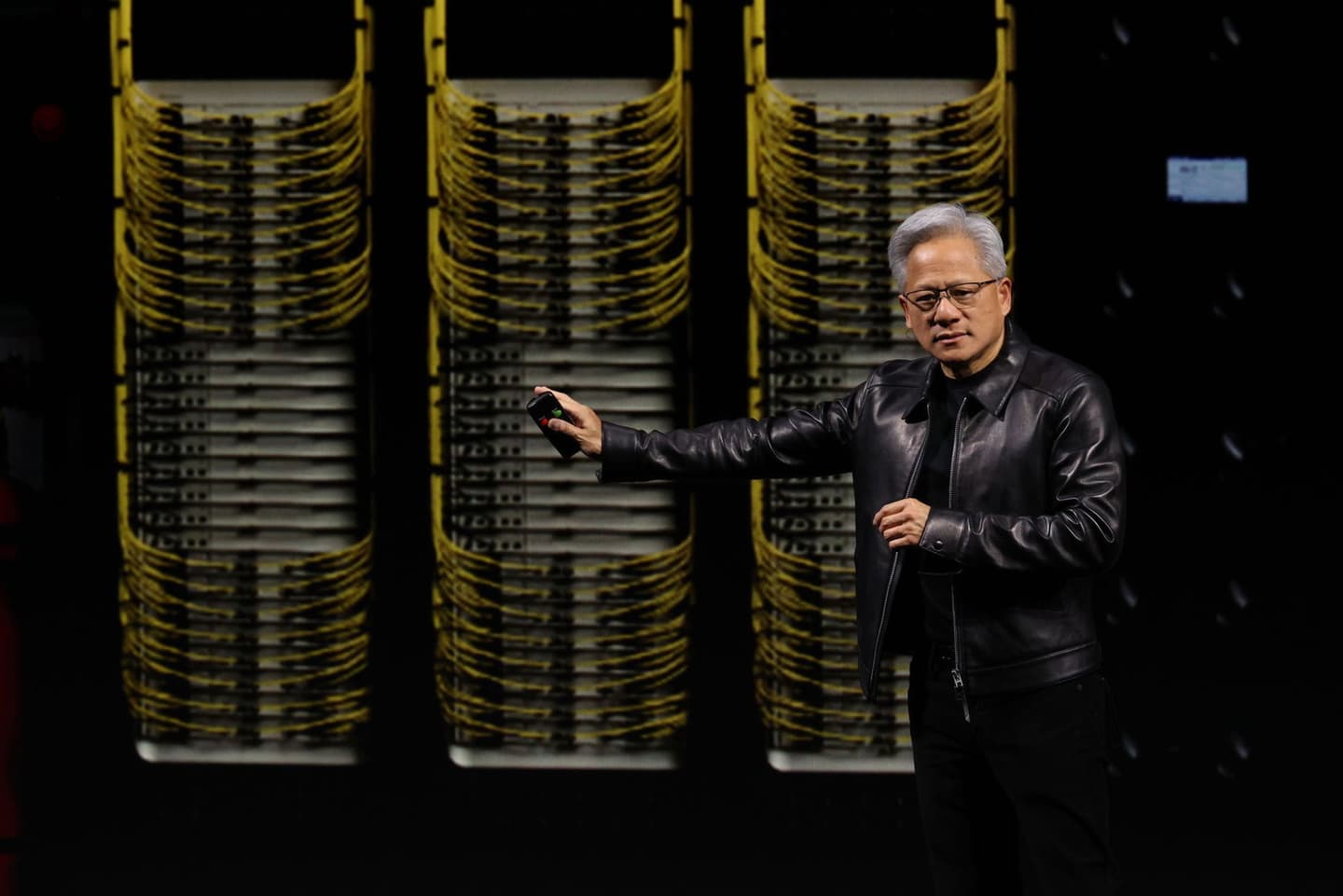
Sean Gallup/Getty Images/Getty




What Happened
What Happened
Where Sources Disagree
- Alice Huang Espionage Claims: Some outlets report that former Megaspeed executive Alice Huang is suspected of spying for Beijing, citing this as a factor in recent chip export restrictions. Conversely, other reports describe the espionage narrative as unverified, with some commentators characterizing the claim as politically manufactured.
- Administration Friction Over Chip Controls: Reports diverge on internal administration dynamics regarding the new chip restrictions. Some sources describe public friction between Treasury Secretary Bessent and Commerce Secretary Lutnick over the timing of these measures. In contrast, other coverage presents the policy as a unified administration effort, omitting mentions of internal cabinet discord.
- Rule Drafting Attribution: Reports differ slightly on the authorship of the new export rule. While some coverage credits the Commerce Department with issuing the policy, other accounts emphasize that the rule was written at the direction of the Treasury Department and the National Security Council.
Timeline
November 16, 2026
Megaspeed Probe And Context: The measure was prompted by revelations and investigations into Singapore-based Megaspeed and related networks that bought and routed billions in Nvidia chips to Malaysia and possibly China, with reports estimating millions of advanced chips entered China in 2024–25. Commerce officials said the rule aims to close the loophole that allowed data-center rentals to enable Chinese firms' access to top-end U.S. chips.
November 16, 2026
Rule Imposes Licensing, Deadlines: The new rule requires export licenses for advanced AI chips destined for data centers serving companies in specified high-risk countries (including Indonesia, Malaysia, Singapore, Thailand and Brazil) and mandates that data centers identify end users; affected sales and existing overseas data centers have 90 days to obtain required licenses. It also sets a computing-capacity threshold for covered facilities.
November 16, 2026
Commerce Issues Interim Rule: On November 16 the U.S. Commerce Department issued a 132-page interim final rule to restrict remote access to advanced U.S. AI chips and servers via overseas data centers, aiming to prevent circumvention of export controls. The administration framed the rule as urgent national-security action and used emergency rulemaking powers to enact it immediately.
Perspectives and Debates
Will the new remote-access rule achieve its containment goal or backfire?
Summary by Ground AI
Sources
See All 410A varied selection of sources chosen by Ground to reflect the diversity of this story’s coverage.
Most Written About
The stories getting the most coverage from the last 24 hours



Timeline
November 16, 2026
Megaspeed Probe And Context: The measure was prompted by revelations and investigations into Singapore-based Megaspeed and related networks that bought and routed billions in Nvidia chips to Malaysia and possibly China, with reports estimating millions of advanced chips entered China in 2024–25. Commerce officials said the rule aims to close the loophole that allowed data-center rentals to enable Chinese firms' access to top-end U.S. chips.
November 16, 2026
Rule Imposes Licensing, Deadlines: The new rule requires export licenses for advanced AI chips destined for data centers serving companies in specified high-risk countries (including Indonesia, Malaysia, Singapore, Thailand and Brazil) and mandates that data centers identify end users; affected sales and existing overseas data centers have 90 days to obtain required licenses. It also sets a computing-capacity threshold for covered facilities.
November 16, 2026
Commerce Issues Interim Rule: On November 16 the U.S. Commerce Department issued a 132-page interim final rule to restrict remote access to advanced U.S. AI chips and servers via overseas data centers, aiming to prevent circumvention of export controls. The administration framed the rule as urgent national-security action and used emergency rulemaking powers to enact it immediately.


