Caltech Study Says LA Fire Smoke Exposed Millions to Extreme Lead
California, US
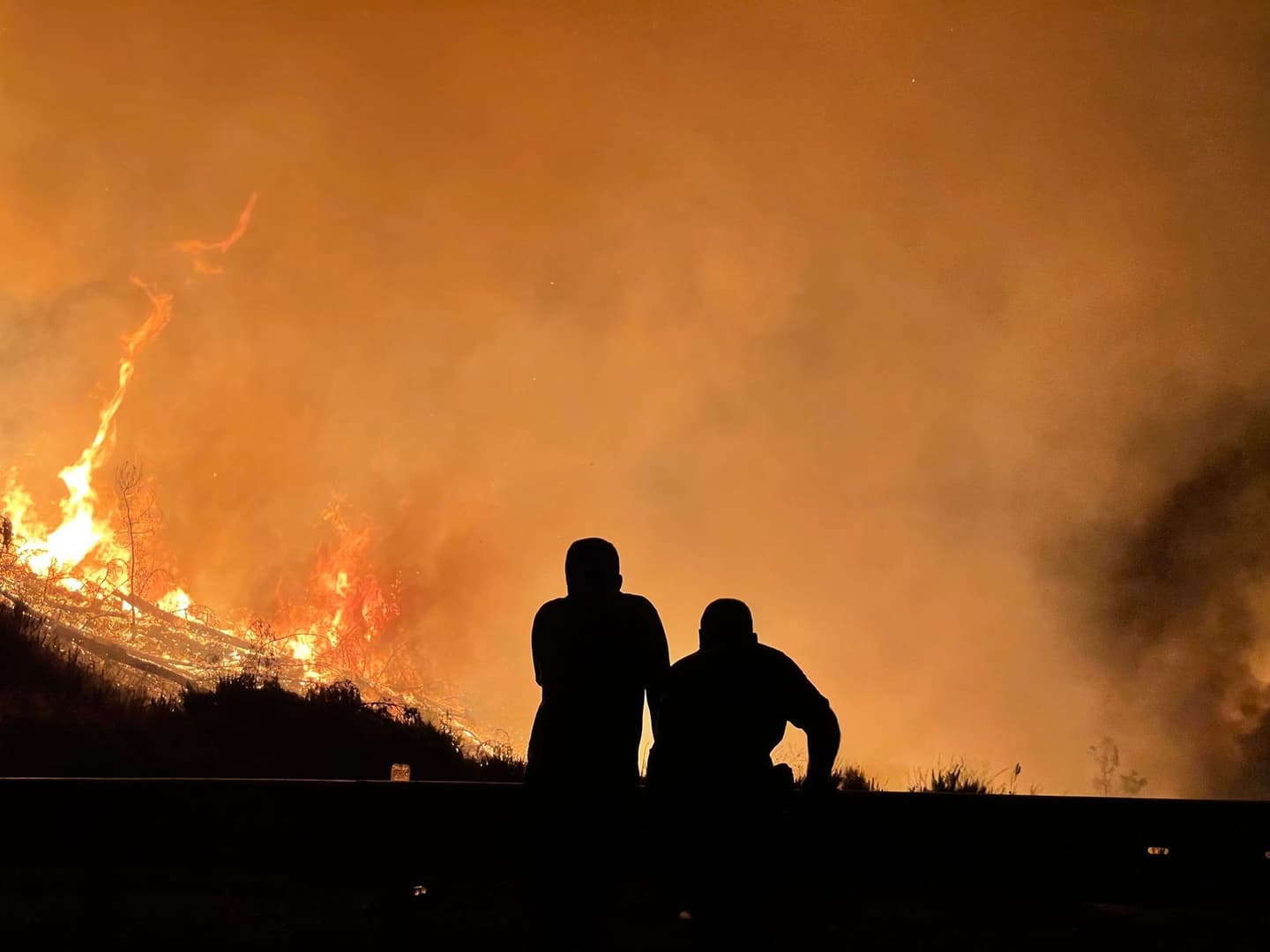
Recep Tayyip Çelik/Pexels
Source Analysis




What Happened
What Happened
Where Sources Agree
- arrows_inputToxic Metal Exposure Confirmed: Sources uniformly report that the urban smoke plume from the Eaton Fire contained significantly higher levels of toxic metals than non-urban wildfires; the plume measured 50 times more lead, seven times more halogens, and three times more arsenic, according to a study published in Science Advances.
- arrows_inputToxic Smoke Exposure: Coverage confirms that approximately 7 million residents were exposed to lead levels 80 times higher than typical background rates during the Eaton Fire; these findings were published in a new study in Science Advances.
Where Sources Disagree
- arrows_outputEaton Fire Casualty Statistics: Reports vary significantly on the Eaton Fire's toll; some sources cite 19 deaths and 9,000 destroyed structures, while others report at least 31 deaths and 16,000 structures destroyed.
- arrows_outputFire Event Reporting Scope: While most sources focus primarily on the Eaton Fire as the central event, other reports characterize the disaster more broadly by highlighting the Altadena and Pacific Palisades infernos collectively.
Timeline
October 28, 2026
Study published; findings and fallout: A Caltech-led study published in Science Advances (reported Oct. 28, 2026) concluded the Eaton Fire produced an urban smoke "cocktail" with vastly higher lead and other toxins than nonurban fires, urged epidemiological study and policy changes, and noted ongoing legal actions and mass tort litigation related to the blaze. The paper also released ASCENT data and called for adapting monitoring and emergency responses.
January 8, 2025
Toxic metals spiked; millions exposed: During peak structural burning (notably Jan. 8–9, 2025), researchers found 24‑hour lead concentrations in the smoke up to 50–80 times background levels and estimated that about 7 million residents experienced 24‑hour lead exposures more than 80 times typical values. The urban plume was also enriched in halogens and arsenic compared with a nonurban wildfire.
January 7, 2025
ASCENT captures real-time smoke: A National Science Foundation–funded ASCENT sensor network that went online months earlier recorded hourly, real-time chemical measurements of the Eaton Fire plume from stations (including Pico Rivera), allowing researchers to quantify smoke chemistry as the fire burned. Four instruments continuously measured PM2.5 chemistry and physical properties, enabling rapid detection of toxic spikes.
Summary by Ground AI
Sources
See All 80A varied selection of sources chosen by Ground to reflect the diversity of this story’s coverage.
Most Written About
The stories getting the most coverage from the last 24 hours







Source Analysis
Timeline
October 28, 2026
Study published; findings and fallout: A Caltech-led study published in Science Advances (reported Oct. 28, 2026) concluded the Eaton Fire produced an urban smoke "cocktail" with vastly higher lead and other toxins than nonurban fires, urged epidemiological study and policy changes, and noted ongoing legal actions and mass tort litigation related to the blaze. The paper also released ASCENT data and called for adapting monitoring and emergency responses.
January 8, 2025
Toxic metals spiked; millions exposed: During peak structural burning (notably Jan. 8–9, 2025), researchers found 24‑hour lead concentrations in the smoke up to 50–80 times background levels and estimated that about 7 million residents experienced 24‑hour lead exposures more than 80 times typical values. The urban plume was also enriched in halogens and arsenic compared with a nonurban wildfire.
January 7, 2025
ASCENT captures real-time smoke: A National Science Foundation–funded ASCENT sensor network that went online months earlier recorded hourly, real-time chemical measurements of the Eaton Fire plume from stations (including Pico Rivera), allowing researchers to quantify smoke chemistry as the fire burned. Four instruments continuously measured PM2.5 chemistry and physical properties, enabling rapid detection of toxic spikes.


