U.S. Midterms Test Trump as Control of Congress Hangs in Balance
United States
Eric Lee/Reuters




What Happened
What Happened
Where Sources Disagree
- arrows_outputBallot Validity Dispute: The Trump administration filed a lawsuit attempting to block California from counting 20,000 mail-in ballots, alleging they were cast by non-citizens. However, California officials challenged the move, arguing the federal claims were based on flawed, error-prone lists and that the effort would disenfranchise valid voters.
- arrows_outputGeneric Ballot Polling Discrepancy: Sources present different generic congressional ballot results: one report cites a 52% to 44% lead for Democrats among likely voters, while another notes a 46% to 38% advantage among registered voters.
- arrows_outputCampaign Rhetoric Focus: While some sources highlight Trump’s final campaign speech as being dominated by extensive remarks on Washington’s Reflecting Pool renovations, other reports emphasize his broader platform, focusing on his immigration crackdown and tax cuts as key pillars of his midterm closing message.
Timeline
November 3, 2026
Night projections and disputes loom: As polls closed, Decision Desk HQ's forecast showed Democrats with 241 House seats to Republicans' 194 and a projected 52-48 Democratic Senate majority, while widespread concerns were raised about whether Republicans would accept results and about potential post-election challenges.
November 3, 2026
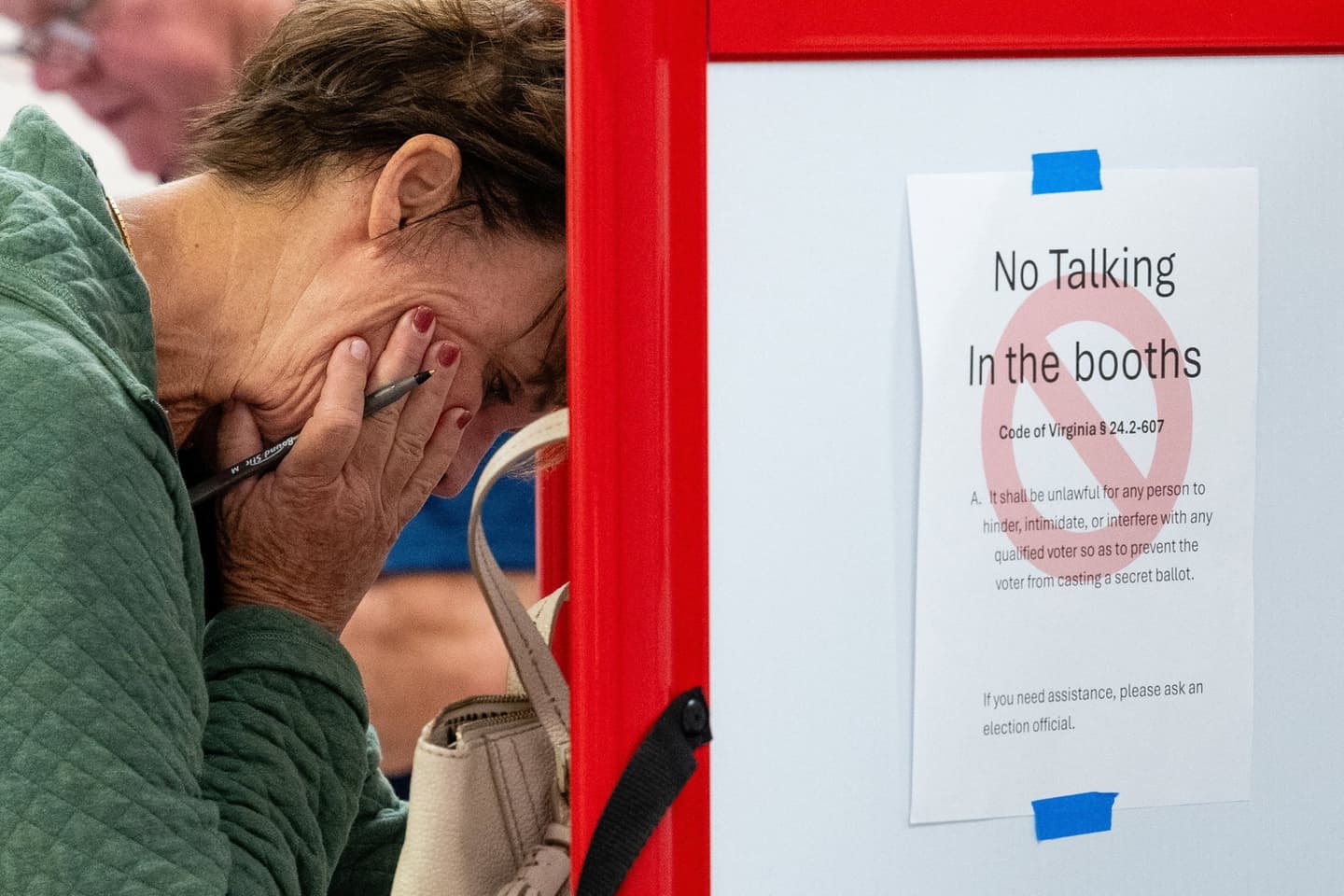
Election Day stakes outlined: On Nov. 3, voters headed to polls with all 435 House seats and 35 Senate seats at stake; Democrats needed a net gain of three House seats and four Senate seats to win both chambers, and both parties spent heavily as the contest was framed as a referendum on President Trump.
November 2, 2026
Feds challenge California ballots: The Trump administration contested California election mechanics — including an executive order limiting mail-in voting and a federal effort to have up to 20,000 ballots set aside as possibly mailed to noncitizens — while Democrats and allied groups sued back; the Supreme Court rejected an emergency bid to force California to set aside those ballots.
Summary by Ground AI
Sources
See All 634A varied selection of sources chosen by Ground to reflect the diversity of this story’s coverage.
Most Written About
The stories getting the most coverage from the last 24 hours


Timeline
November 3, 2026
Night projections and disputes loom: As polls closed, Decision Desk HQ's forecast showed Democrats with 241 House seats to Republicans' 194 and a projected 52-48 Democratic Senate majority, while widespread concerns were raised about whether Republicans would accept results and about potential post-election challenges.
November 3, 2026
Election Day stakes outlined: On Nov. 3, voters headed to polls with all 435 House seats and 35 Senate seats at stake; Democrats needed a net gain of three House seats and four Senate seats to win both chambers, and both parties spent heavily as the contest was framed as a referendum on President Trump.
November 2, 2026
Feds challenge California ballots: The Trump administration contested California election mechanics — including an executive order limiting mail-in voting and a federal effort to have up to 20,000 ballots set aside as possibly mailed to noncitizens — while Democrats and allied groups sued back; the Supreme Court rejected an emergency bid to force California to set aside those ballots.


