USDA Confirms First New World Screwworm Case in Texas Wildlife
Texas, US
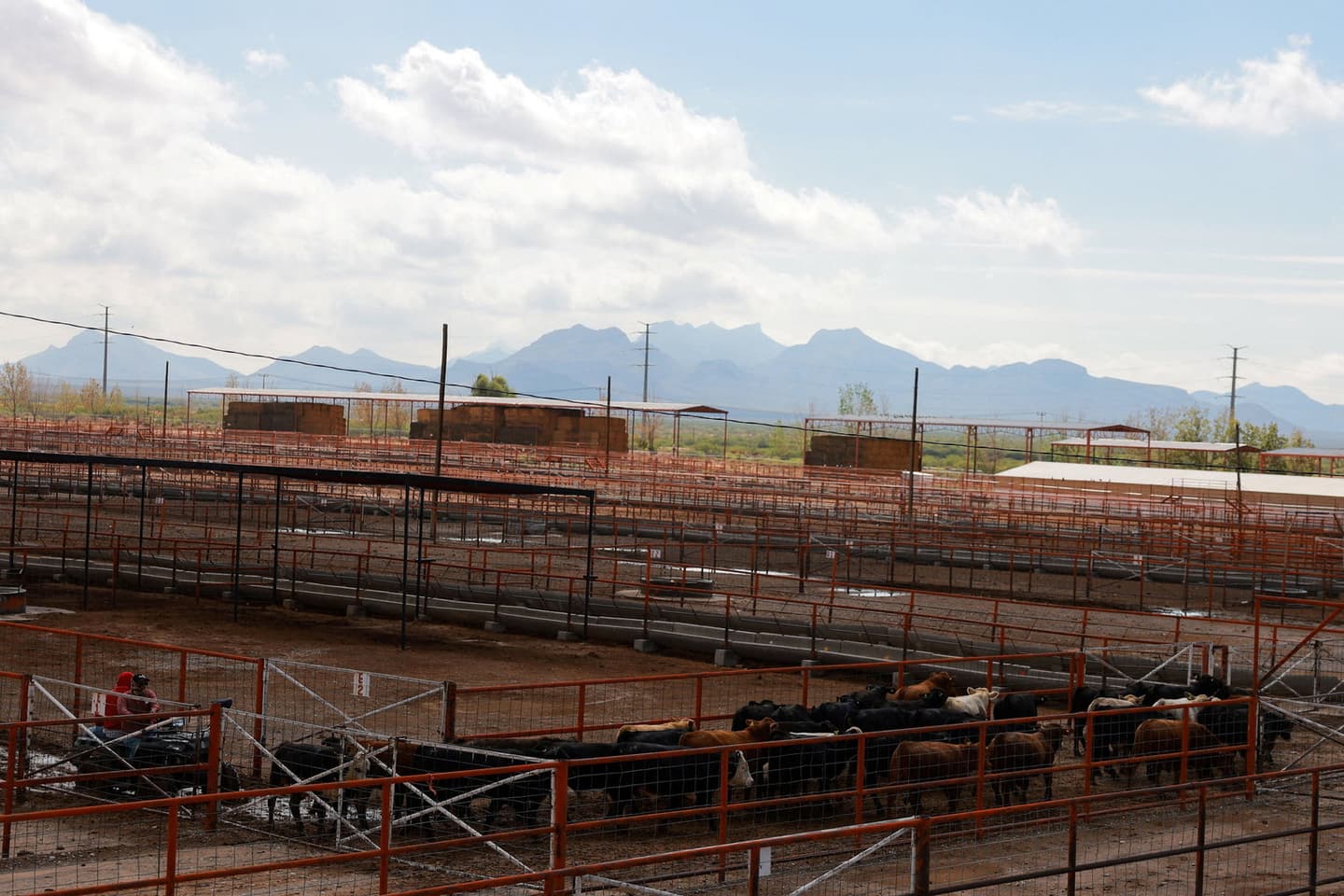
Jose Luis Gonzalez/Reuters
Source Analysis




What Happened
What Happened
Where Sources Agree
- arrows_inputFirst Wildlife Case Confirmed: Sources largely converge on the confirmation of the first New World screwworm case in U.S. wildlife, discovered in an elk harvested by a hunter on a Pecos County ranch, according to the USDA.
- arrows_inputLivestock Infestation Containment: Some sources suggest a 12.4-mile infested zone has been established following the confirmation of a New World screwworm case in an Otero County beef cow, requiring animal inspections before movement, according to New Mexico officials.
- arrows_inputSterile Fly Containment Strategy: A portion of reporting indicates that a coalition of federal and international partners has released over 1 billion sterile flies to disrupt reproduction and eradicate infestations, while utilizing a new production facility in Mexico, according to federal and international partners.
Where Sources Disagree
- arrows_outputScrewworm Case Count Discrepancy: USDA officials cite 56 confirmed screwworm cases across the United States; in contrast, other reports indicate the total has reached 59, reflecting variations in how case counts are tallied.
- arrows_outputLivestock Trade Resumption Timeline: Officials scheduled the reopening of southern livestock ports for October 26; however, other reports note that trade already resumed at an Arizona port in August as part of a phased reopening plan.
- arrows_outputScrewworm Case Location Details: Reports vary slightly regarding the specific locations and hosts of recent screwworm detections—with some identifying a case in a Zavala County calf, while others highlight detections in an elk and cattle in Pecos County.
Timeline
October 21, 2026
Containment and response measures: By Oct. 21 officials reported 59 cases since June and implemented containment actions: movement restrictions and infested zones (including a 12.4‑mile radius around a New Mexico case), expanded surveillance and fly‑trapping, release of sterile flies and a new sterile fly facility in Mexico, and requirements for inspections/treatment before animal movement. Federal and state agencies also urged hunters and landowners to report suspected infestations immediately.
October 21, 2026
First wildlife case confirmed: On Oct. 21, 2026 the USDA confirmed the first U.S. wildlife infection in the current outbreak — New World screwworm identified in a female elk harvested on a game ranch in Pecos County, Texas, with the sample confirmed at a federal lab in Kerrville. The elk was reported after being harvested by a hunter, prompting immediate attention from wildlife and animal health officials.
October 15, 2026
October livestock cases increase: Multiple animal infections were confirmed in October, including cattle in Pecos County (reported Oct. 10), and a horse and calf in Grant County confirmed Oct. 15, with additional detections such as a calf in Zavala County. State and federal agencies expanded inspections and established infested zones around affected animals.
Summary by Ground AI
Sources
See All 65A varied selection of sources chosen by Ground to reflect the diversity of this story’s coverage.
Most Written About
The stories getting the most coverage from the last 24 hours



Source Analysis
Timeline
October 21, 2026
Containment and response measures: By Oct. 21 officials reported 59 cases since June and implemented containment actions: movement restrictions and infested zones (including a 12.4‑mile radius around a New Mexico case), expanded surveillance and fly‑trapping, release of sterile flies and a new sterile fly facility in Mexico, and requirements for inspections/treatment before animal movement. Federal and state agencies also urged hunters and landowners to report suspected infestations immediately.
October 21, 2026
First wildlife case confirmed: On Oct. 21, 2026 the USDA confirmed the first U.S. wildlife infection in the current outbreak — New World screwworm identified in a female elk harvested on a game ranch in Pecos County, Texas, with the sample confirmed at a federal lab in Kerrville. The elk was reported after being harvested by a hunter, prompting immediate attention from wildlife and animal health officials.
October 15, 2026
October livestock cases increase: Multiple animal infections were confirmed in October, including cattle in Pecos County (reported Oct. 10), and a horse and calf in Grant County confirmed Oct. 15, with additional detections such as a calf in Zavala County. State and federal agencies expanded inspections and established infested zones around affected animals.


