Isar Aerospace’s Spectrum Reaches Orbit From Arctic Norway
Nordmela, Norway
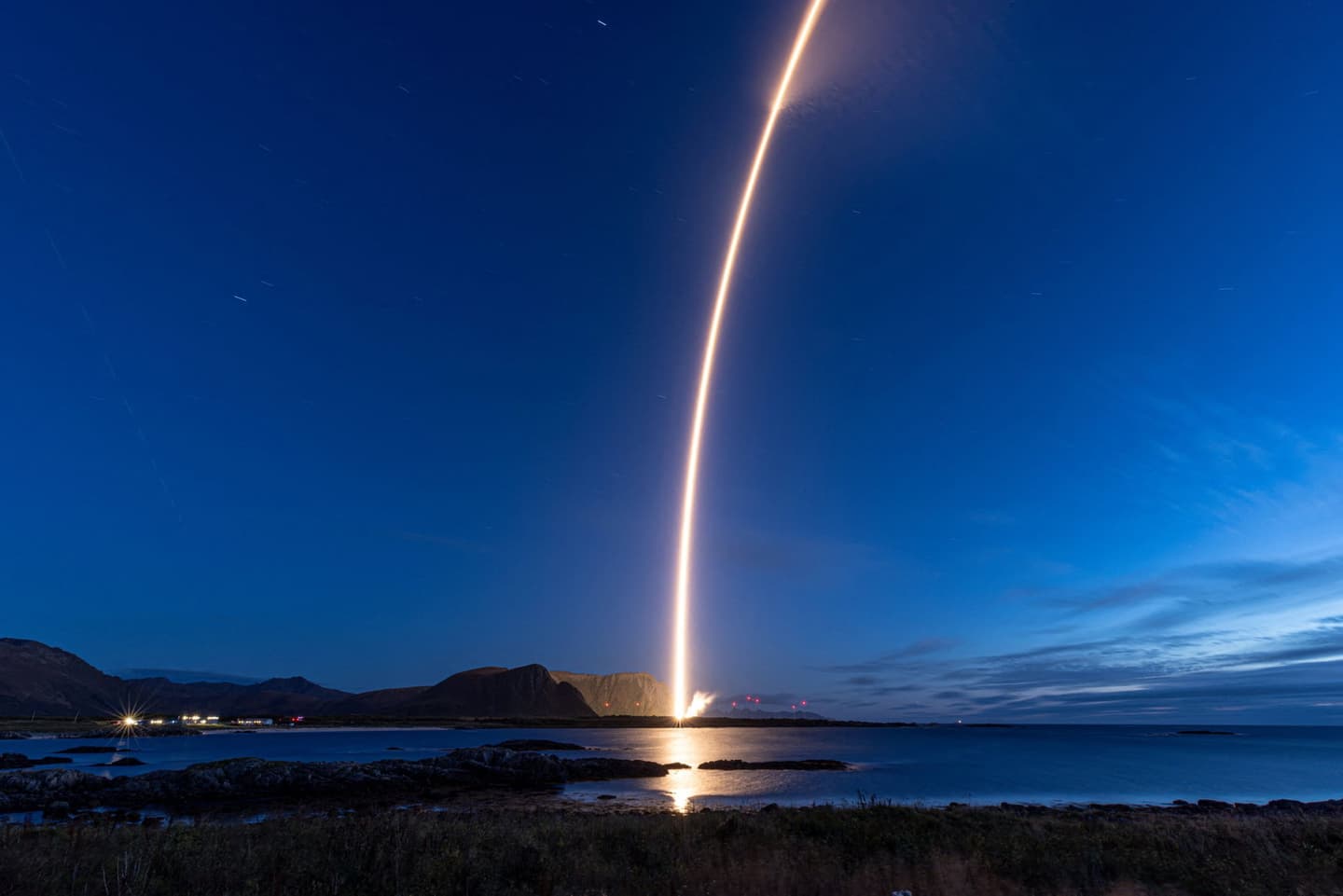
Isar Aerospace/Franziska Kegel/Reuters




What Happened
Key Implications
What Happened
Key Implications
Where Sources Agree
- arrows_inputSuccessful Orbital Launch: All outlets cite the successful deployment of five small satellites into orbit following the Spectrum rocket's launch from Norway's Andøya Spaceport, according to Isar Aerospace and mission reporting.
- arrows_inputLaunch Failure and Correction: Coverage documents confirm a March 2025 flight failure caused by an unintended vent valve opening, necessitating an 18-month delay for corrective design changes, according to company investigation reports.
- arrows_inputSecuring European Launch Autonomy: Sources uniformly report that German startup Isar Aerospace has secured €200 million from the European Space Agency to accelerate rocket development and infrastructure, a move designed to bolster European sovereignty in space and reduce reliance on U.S. launch providers, according to official government and ESA statements.
Where Sources Disagree
- arrows_outputPayload Manifest Detail: While most reporting highlights the five small satellites deployed into orbit, some accounts provide greater detail by specifying a total of six payloads, including an additional non-deployable technological experiment.
- arrows_outputLaunch Interval Discrepancy: Reports vary slightly regarding the timeframe between Isar Aerospace's first and second launch, with some sources citing an 18-month interval while others note a 17-month period.
Timeline
September 6, 2026
Aftermath and industry impact: Isar reported multiple vehicles already in production and highlighted factory capacity to scale up, while officials and agencies hailed the flight as a milestone that advances European launch autonomy and kicks off the European Launcher Challenge. The company still faces the longer task of demonstrating sustained reliability and commercial service.
September 5, 2026
Successful orbital launch: On September 5, 2026 Isar Aerospace's 28‑metre Spectrum rocket lifted off from Andøya and reached orbit, completing an orbital burn, fairing release, stage separation and deploying five CubeSats while carrying a non‑deployable experiment. Presenters said the vehicle exceeded 100 km altitude in under four minutes and Isar reported completing circularisation before releasing the spacecraft.
September 5, 2026
Months of delays and fixes: Repeated scrubs and technical problems — including a pressurisation-valve issue, bad weather, a boat intrusion, a composite pressure-vessel leak and off-nominal fluid-system behavior — delayed a second flight while Isar addressed failures and secured funding. The company also reported roughly €200 million from ESA to support development and expanded infrastructure ahead of the next launch attempt.
Summaries by Ground AI
Sources
See All 218Most Written About
The stories getting the most coverage from the last 24 hours


Timeline
September 6, 2026
Aftermath and industry impact: Isar reported multiple vehicles already in production and highlighted factory capacity to scale up, while officials and agencies hailed the flight as a milestone that advances European launch autonomy and kicks off the European Launcher Challenge. The company still faces the longer task of demonstrating sustained reliability and commercial service.
September 5, 2026
Successful orbital launch: On September 5, 2026 Isar Aerospace's 28‑metre Spectrum rocket lifted off from Andøya and reached orbit, completing an orbital burn, fairing release, stage separation and deploying five CubeSats while carrying a non‑deployable experiment. Presenters said the vehicle exceeded 100 km altitude in under four minutes and Isar reported completing circularisation before releasing the spacecraft.
September 5, 2026
Months of delays and fixes: Repeated scrubs and technical problems — including a pressurisation-valve issue, bad weather, a boat intrusion, a composite pressure-vessel leak and off-nominal fluid-system behavior — delayed a second flight while Isar addressed failures and secured funding. The company also reported roughly €200 million from ESA to support development and expanded infrastructure ahead of the next launch attempt.


